PVC Laminated Tarpaulin Fabric Manufactured in Tongxiang, China
Zhejiang Minglong New Material Technology Co., Ltd. is a China Laminated Tarpaulin Fabric manufacturer producing PVC-bonded technical textiles at our plant in the Economic Development Zone of Tongxiang, Zhejiang, within easy reach of the Shanghai and Ningbo ports. We have run calendering, lamination and coating under one roof since 2005, so the PVC film formulation and the bonding step that decide how a tarpaulin behaves in service stay inside our own process control.
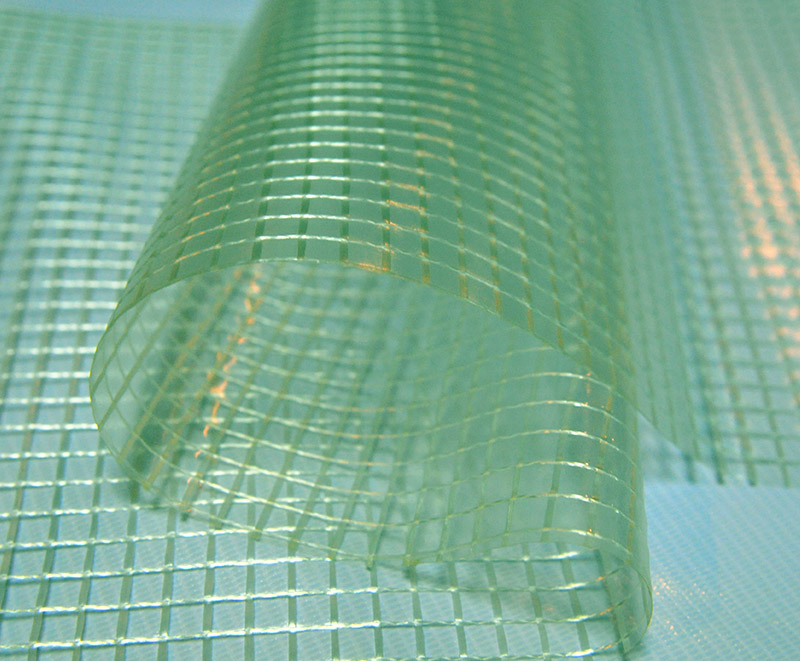
The range covers polyester-based laminated tarpaulin built on 840D, 1000D and 1300D base fabric in widths from 1.02 m to 3.20 m, together with clear green and clear white laminated mesh tarps used for fence screening, scaffolding and shade work. GSM, colour, surface finish, roll length and packing are configured per order against an approved sample.
Plant at a glance
- 2 Taiwan-made PVC calenders, 4 m and 2.88 m working width
- 5 Taiwan-made laminators, 4 lamination presses and 2 coating lines
- 30,000 t of PVC laminated film and 85 million m² of finished fabric per year
- Jiaxing Municipal High-tech Research and Development Center on site
- Standard minimum order quantity of 2,500 m for custom runs
Lamination: Film Calendered and Bonded In-House
Laminated construction starts with PVC film, not with paste. Our calenders produce the film to a controlled plasticiser, stabiliser and pigment recipe, and that film is then bonded to woven polyester under heat and pressure on our laminators and presses. Because the film is made a few metres from the bonding line, we can adjust formulation and film weight to hit a target hand, drape, gloss level and cold-flex behaviour without restarting the whole chain.
The finished laminate is specified around three mechanical properties that matter on a tensioned cover: high tenacity from the polyester base, tear strength at the seam line, and adhesion strength between film and scrim. Peel and delamination checks in our in-process inspection are run against the approved pre-production sample, not against a generic catalogue value.
Our PVC Tarpaulin Material Range
Laminated tarpaulin sits inside a wider PVC Tarpaulin Material programme that lets a project mix constructions instead of forcing one build across every panel.
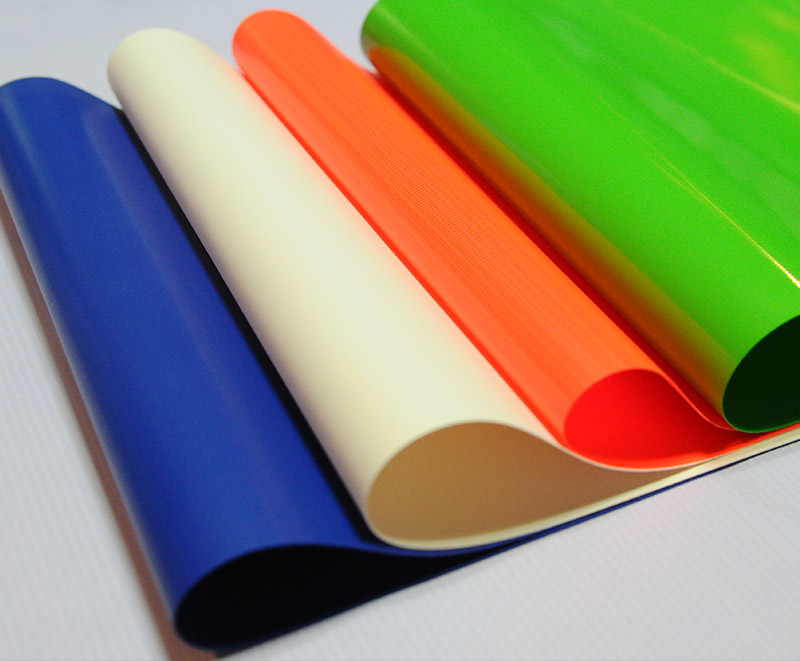
Laminated Tarpaulin Fabric
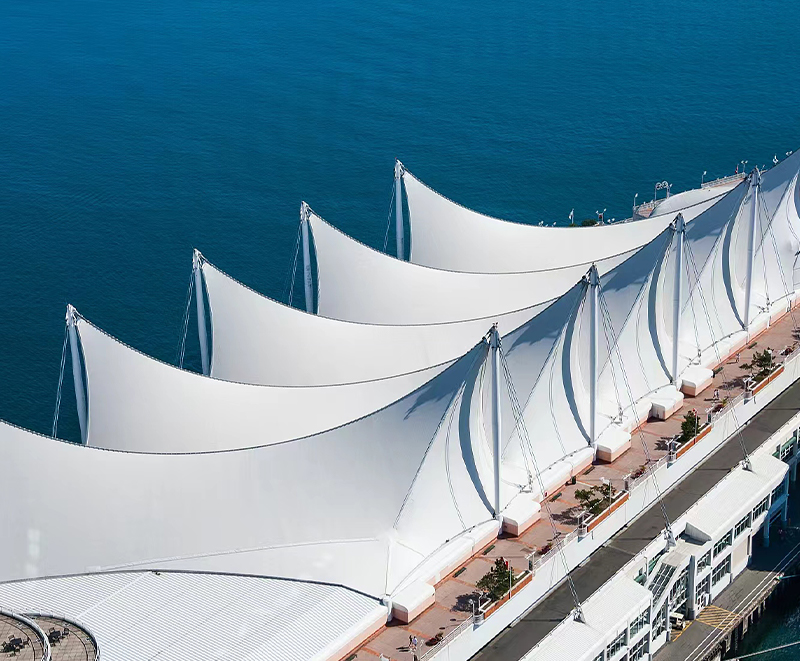
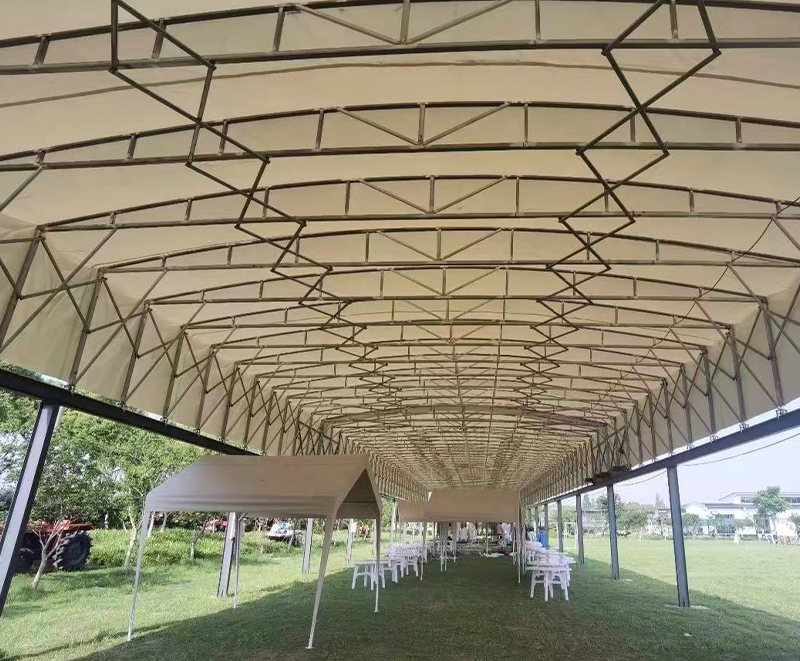
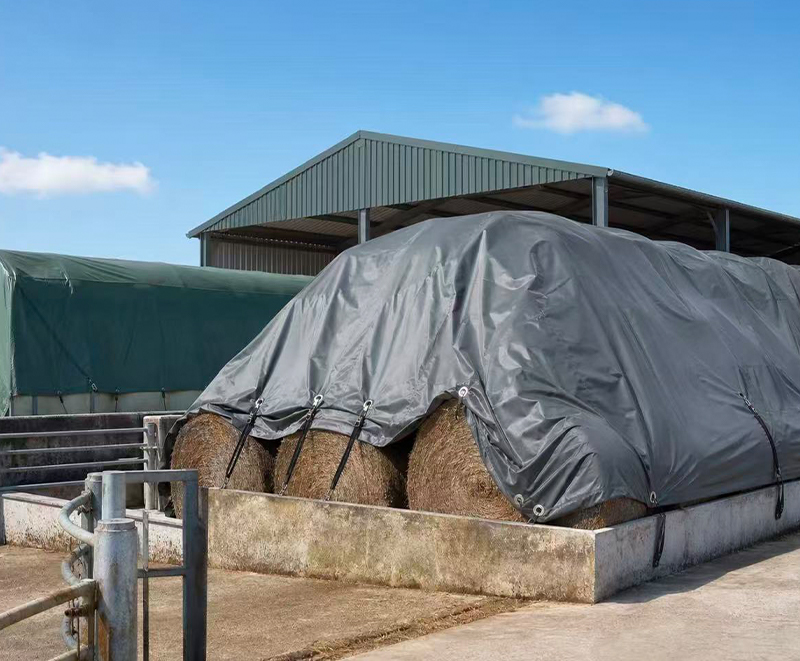
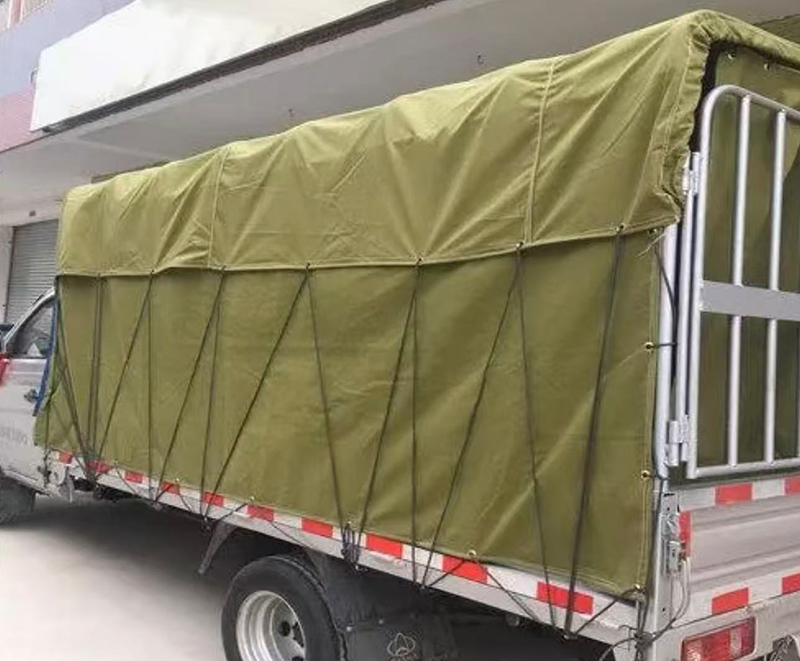
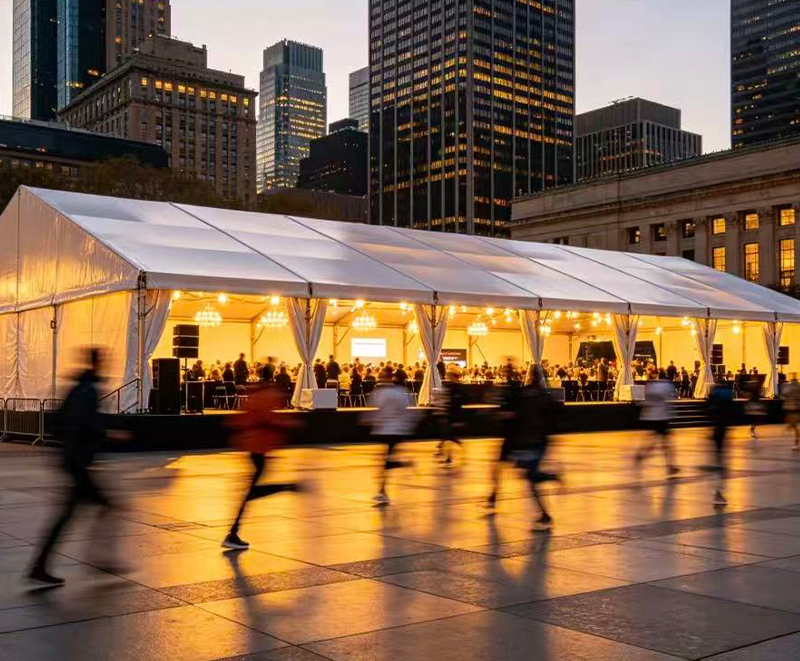
PVC film bonded to woven polyester. Softer hand, even surface and colour, strong print receptivity. Suited to transport covers, tent roofing, awnings, waterproof and shade sheeting, and wide-format digital printing media.
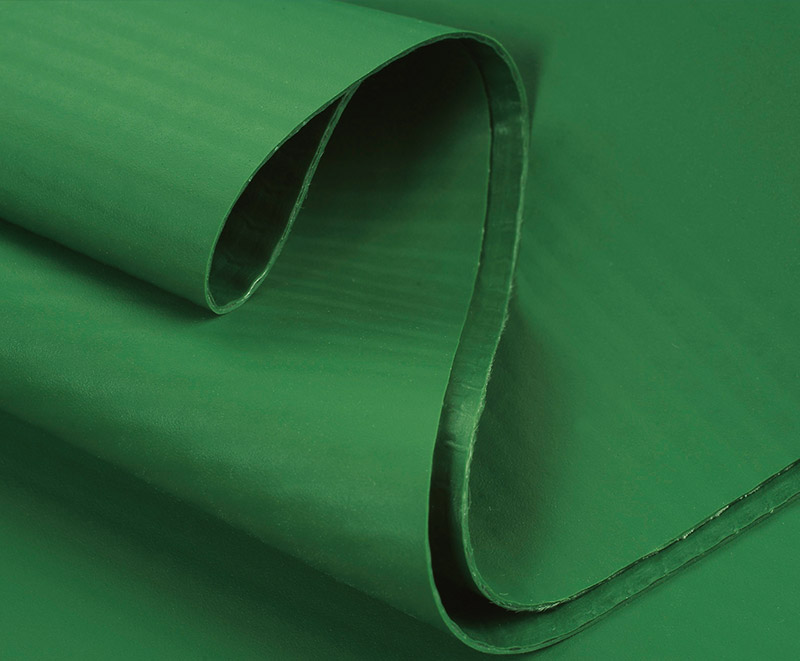
PVC paste applied to the base fabric and fused in the oven, giving a heavier deposit and a fully encapsulated weave. Used for industrial covers, side curtains and inflatable structures where abrasion resistance leads the requirement.
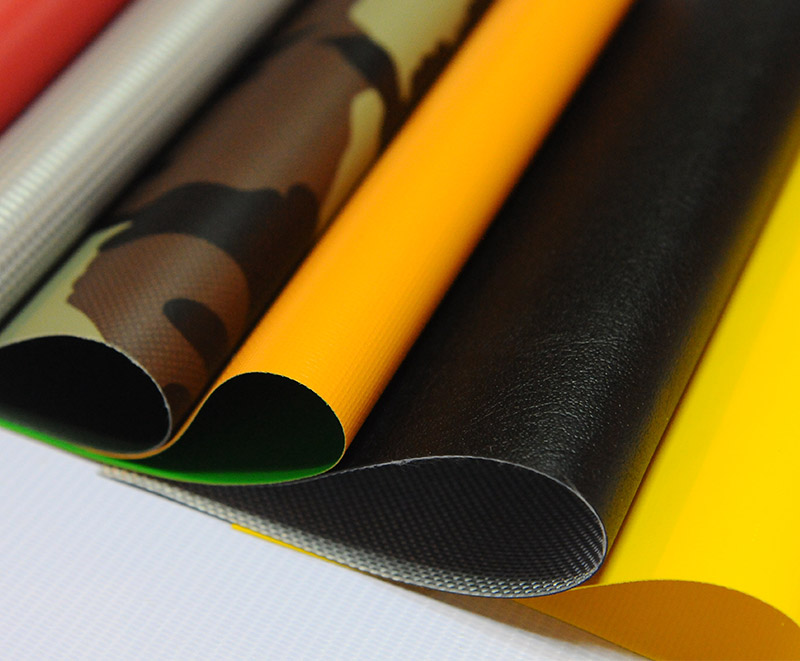
Doctor-blade coating for higher and more tightly controlled deposit weights. Preferred for high-tensile tent skins, heavy transport sheeting and structures that combine long spans with repeated folding.
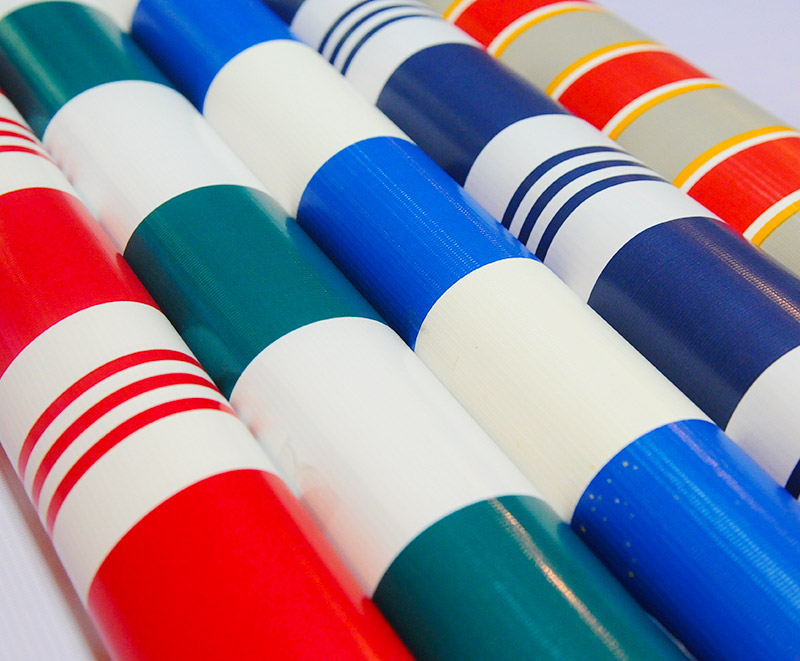
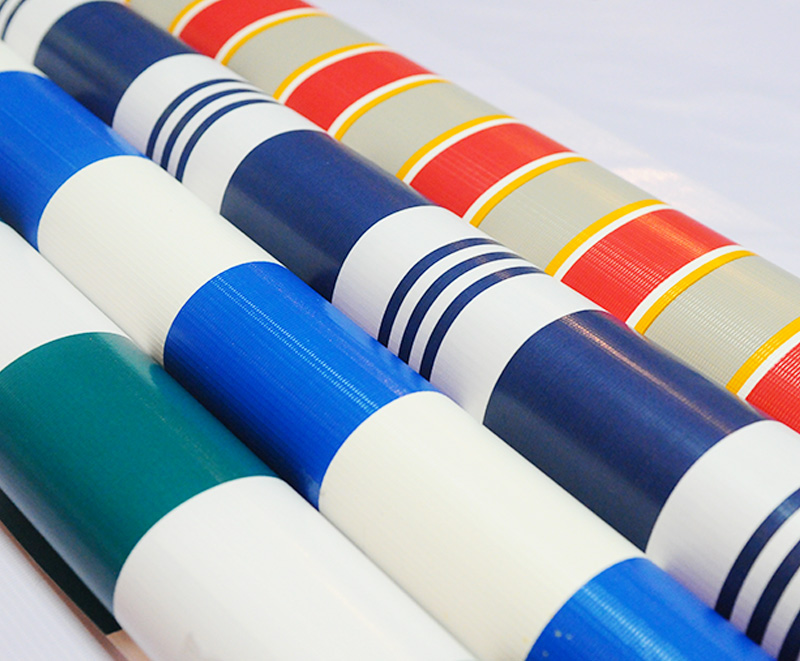
Stripes Tarpaulin Fabric
Alternating colour stripe builds for canopies, market stalls, signage and decorative covers, supplied with a defined stripe pitch and colour pair so panels line up across a full structure.
Range, Construction and Application Matching
| Range |
Construction |
Application fit |
Configurable |
| Laminated tarpaulin |
Calendered PVC film bonded to polyester scrim |
Truck and trailer covers, tent roofing, awnings, waterproof and shade sheeting |
840D/1000D/1300D base, 1.02–3.20 m width, colour, gloss level, roll length |
| Laminated mesh tarp |
PVC film laminated onto open mesh, clear green or clear white |
Fence screening, scaffolding wrap, wind-permeable shade |
Mesh count, colour tone, width, roll length |
| Coated tarpaulin |
PVC paste coated and fused on the base fabric |
Industrial covers, side curtains, inflatables, abrasion-exposed sheeting |
Coating weight, base fabric, width, surface finish |
| Knife coating tarpaulin |
Doctor-blade PVC deposit at higher weights |
High-tensile tent skins, transport sheeting, long-span structures |
Deposit thickness, base fabric, width, colour |
| Stripes tarpaulin |
Laminated or coated build with alternating stripe colours |
Canopies, market stalls, signage, decorative covers |
Stripe pitch, colour pair, weight, width |
Critical Specifications We Confirm Before Production
A laminated tarpaulin is defined by more than its gram weight. We fix the following points on a written specification sheet and match them to the pre-production sample before the line is released.
- Base fabric: 840D, 1000D or 1300D polyester, with yarn tenacity and weave construction noted on the sheet
- Width: finished roll width between 1.02 m and 3.20 m, matched to your cutting or welding layout
- Weight: total gsm split between base fabric and PVC film so the split is visible, not just the total
- Adhesion and tear: peel strength at the film–scrim interface plus tongue tear in warp and weft
- Appearance: colour reference, gloss or matte surface, and transparency for clear green or clear white mesh
- Roll format: roll length, core diameter, splice policy and end-of-roll marking
Where Laminated Tarpaulin Fits
The smooth, evenly gauged surface of a laminate makes it the natural choice where a panel has to be printed, welded or seen. Wide-format digital printing media, frontlit and backlit billboard fabric, tent and awning skins, shower curtain stock and water bag film all come out of the same calendering and lamination chain at Minglong.
For transport and logistics users, laminated sheeting folds tidily, resists wicking at cut edges when properly hemmed, and keeps a consistent colour across replacement panels. Where the duty cycle is dominated by abrasion against steel or concrete rather than by print quality, we usually steer the project toward a coated or knife-coated build.
Fabrication, Installation and Converting Support
We supply roll goods and agree the converting route with the customer's fabrication team so the material arrives ready for the machines that will process it. High-frequency welding, hot-air welding and hot-wedge seaming all behave differently on the same laminate, and the film formulation and surface finish can be adjusted for the process that will be used.
- Print trials for UV, solvent, eco-solvent and screen inks on request before a production run
- Guidance on hem width, grommet pitch and reinforcement patches for wind-loaded panels
- Roll width chosen to reduce offcut waste against your panel cut plan
- Tensile and elongation data supplied with the specification sheet for structural calculation
Quality Control from Incoming Film to Outgoing Rolls
Inspection runs at three gates: incoming material control on raw film, fabric and additives; in-process checks during lamination and coating; and outgoing inspection on the finished roll. Colour, width, weight, adhesion and visual defects are recorded against the approved sample, and the process is aligned with REACH, RoHS and EN71 requirements together with our ISO-based quality system.
Custom development is our normal mode of operation rather than an exception. We build specifications from customer drawings or physical samples, produce a confirmation sample for sign-off, and hold that reference through the production run, with the R&D center in Jiaxing handling formulation changes when a new application needs a different balance of flexibility, strength and print performance.
Information We Use to Configure Your Solution
Send these inputs and we can return a specification, roll schedule and quotation rather than a generic price list:
- End application, expected service life and exposure conditions (UV, rain, wind load, abrasion)
- Required base fabric, total gsm and the film-to-base weight split if already defined
- Finished width, roll length, core size and packing format
- Colour reference, gloss level and any transparency requirement
- Converting route — print method, welding method, grommet pitch, hem detail
- Order quantity per width and colour, delivery port and required shipment window
- Compliance or documentation requirements to be addressed in the specification
Frequently Asked Questions
What separates laminated from coated tarpaulin at Minglong?
Laminated tarpaulin bonds a separately calendered PVC film to the polyester base, giving a smooth, printable surface and a softer hand. Coated and knife-coated tarpaulins apply PVC paste directly and fuse it in the oven, which builds a heavier, more abrasion-resistant skin. We produce both, so the construction follows the duty rather than the other way round.
Which widths and base fabrics can you supply?
Laminated tarpaulin is produced on 840D, 1000D and 1300D polyester base in finished widths from 1.02 m to 3.20 m, with our calenders running 4 m and 2.88 m working widths. Clear green and clear white laminated mesh tarps are available in the same width band.
What is the minimum order quantity and how do you ship?
Custom runs start at 2,500 m. Standard shipments move by sea through the Shanghai and Ningbo ports, which sit close to our Tongxiang plant; air freight is used when a customer's schedule requires it.
Can you develop a specification from our sample or drawing?
Yes. Most of our output is customised, and development starts from customer drawings or physical samples. We confirm colour, weight, width and adhesion against a sign-off sample, then hold that reference through production.
How quickly does an inquiry receive a response?
Working-day inquiries are answered within 24 hours. A configuration proposal follows once the application, base fabric, width, colour and quantity are clear.
Where are your materials used today?
Our laminated and coated fabrics serve wide-format digital printing, tents and awnings, transport covers, waterproof and shade sheeting, and industrial cover work, with shipments going to Southeast Asia, Europe, North America and other markets including Germany, Japan, Spain, Italy, the UK, South Korea and Australia.

 English
 Category


 +86-573-88890126
 adam@ml-holding.cn
 No. 28, Shuguang Road, Tudian Town, Tongxiang City, Zhejiang Province, 314503, China
