 English
 CN
CN ES
ES 86-573-88890126
Flex banners have become a staple in outdoor and indoor advertising due to their durability, flexibility, and cost-effectiveness. However, even experienced advertisers can fall into traps that reduce the effectiveness and lifespan of these banners. Understanding common mistakes—and how to avoid them—is essential for return on investment.
Choosing the Wrong Material for the Application
One of the fundamental mistakes is selecting an inappropriate flex banner material. Not all flex banners are created equal. Different environments, durations, and lighting conditions demand specific material properties. Many advertisers prioritize low cost over performance, which often results in premature failure, such as tearing, fading, or sagging.
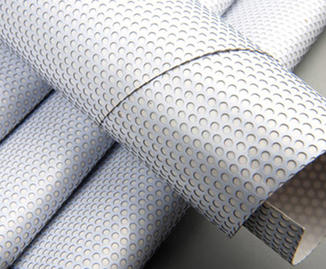
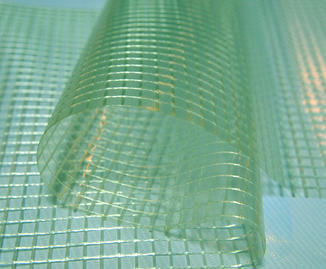
When sourcing materials, it is critical to consult reliable PVC banner material manufacturers who offer a range of options. Common materials include standard frontlit, backlit, mesh, and blockout banners. Each serves a distinct purpose. For instance, mesh banners allow wind to pass through, making them ideal for high-rise or coastal locations, while backlit banners are designed for illuminated billboards.
Material Mismatch Consequences
| Mistake | Consequence |
|---|---|
| Using lightweight non- mesh flex banner in windy areas | Rapid tearing, banner detachment |
| Choosing non-UV-resistant material for long-term outdoor use | Severe fading within weeks |
| Selecting opaque blockout banner for backlit frames | Dark, illegible display |
| Ignoring temperature ratings for cold climates | Cracking and stiffness |
A common oversight is assuming all flex banner products from generic suppliers perform equally. However, reputable PVC banner material manufacturers produce specialized variants with additives like UV inhibitors, anti-fungal coatings, and flame retardants. Failing to match material specifications to the advertising environment leads to wasted expenditure and brand reputation damage.
Neglecting Proper Design and Print Specifications
Design errors are surprisingly frequent, even with digital tools. The prevalent mistake is using low-resolution images. Flex banners are typically viewed from a distance, but when printed large, pixelated graphics become obvious and unprofessional. A resolution of 72 DPI can work for far-viewing, but close-up elements require at least 150 DPI. However, many designers export at web resolution, resulting in blurry output.
Another design flaw is incorrect color mode. Flex banner printing uses CMYK, not RGB. Colors that appear vibrant on a monitor may shift dramatically when printed on a flex banner substrate. Without soft-proofing and test prints, advertisers receive banners with unexpected hue shifts—often muddy greens or dull reds.
Bleed and safe zone errors also plague flex banner production. Banners are typically hemmed or grommeted, eating into the edges. Designers who place critical text or logos too close to the border risk losing them during finishing. A standard safe zone is at least 2 inches from all sides for large banners, but many forget.
Common Design & Print Mistakes
| Mistake | Recommended Practice |
|---|---|
| 72 DPI images for large format | Use vector graphics or 150+ DPI at final size |
| RGB color mode | Convert to CMYK before sending to print |
| No bleed area | Add 1-2 inches bleed beyond trim line |
| Tiny fonts (below 24pt) | Minimum 36pt for readability at 10 feet |
| Overlooking outgassing | Allow 24 hours drying before lamination or folding |
Additionally, many overlook the importance of file formats. While JPEG is common, it uses lossy compression that can introduce artifacts. PDF/X-1a or TIFF are preferred for flex banner production. Finally, not requesting a physical proof is a costly mistake. Digital proofs on calibrated monitors cannot replicate the texture, opacity, and color saturation of actual flex banner materials.
Ignoring Environmental Factors During Installation
Even a perfectly designed and printed flex banner can fail if installation ignores environmental conditions. Wind load is the number one enemy. Banners act as sails; without adequate relief, grommets rip out, seams split, and poles bend. The mistake is using standard solid flex banners in windy areas without reinforcement or mesh alternatives.
Sunlight exposure is another underestimated factor. Prolonged UV radiation degrades polymers, causing banners to become brittle and chalky. Choosing a flex banner without UV stabilization leads to fading and cracking within months. Responsible PVC banner material manufacturers clearly label UV resistance ratings (e.g., 6 months, 1 year, 3 years). Ignoring these ratings is a common oversight.
Temperature fluctuations cause expansion and contraction. In hot climates, flex banners can sag and develop wrinkles. In cold weather, they stiffen and become prone to snapping. Proper installation includes allowing slack for thermal movement—a detail frequently missed. Also, using incorrect tensioning hardware (zip ties instead of bungee cords) adds stress to grommets.
Key Environmental Mistakes
- Not checking local wind speed averages before banner size selection.
- Installing solid flex banners on building rooftops without wind slits.
- Forgetting to apply anti-UV clear coat on low-grade materials.
- Using metal grommets that rust near saltwater environments.
Seasonal changes also matter. A banner installed in spring may need retensioning by summer. Many advertisers set and forget, which results in drooping or tearing. Regular inspection intervals (every 30 days) should be standard practice, but they are rarely followed.
Poor Handling of Grommets, Hems, and Finishing
Finishing details determine the structural integrity of a flex banner. The common mistake is insufficient or poorly spaced grommets. Typical standards call for grommets every 18–24 inches on the perimeter, but some advertisers place them only at corners. This causes billowing and edge stress. Additionally, using low-quality grommets that corrode or pull out under light tension is a false economy.
Hemming is another area where mistakes occur. A simple folded hem (typically 1 inch) is necessary to prevent unraveling and to distribute tension. Unhemmed banners fray quickly, especially in windy conditions. Some budget productions skip hemming entirely, resulting in a banner that looks unprofessional within weeks.
Reinforced corners (corner patches) are essential for large flex banners. Without them, the stress concentrates on the grommet hole, which can cause tear-out. Many advertisers overlook requesting corner reinforcement, especially for banners larger than 8x10 feet.
Finishing Mistakes and Solutions
| Finishing Mistake | Consequence | Solution |
|---|---|---|
| Grommets spaced >24 inches apart | Flapping, edge curl | 18-inch spacing |
| No corner patches | Grommet tear-out | Add 4x4 inch PVC patch |
| Single-stitch hem only | Thread breakage, fraying | Heat-sealed double hem |
| Sharp metal edges on poles | Abrasion cuts | Use rubber or plastic caps |
| No webbing or rope in hem | Poor tension distribution | Insert rope inside hem for lacing |
Moreover, the welding or sewing method matters. Heat welding is to stitching for outdoor flex banners because needle holes invite moisture and mildew. However, many fast-turnaround shops still use stitching. Advertisers who do not specify welding often receive inferior banners that delaminate.
Overlooking Storage and Maintenance Protocols
After a campaign ends, many advertisers fold flex banners carelessly and toss them into storage. This mistake shortens the banner’s reusable life. Creases from improper folding become permanent, and dirt trapped between layers causes surface abrasion. The correct method is to roll the flex banner loosely on a cardboard core, printed side out, and store it in a cool, dry place away from solvents.
Cleaning is another neglected practice. Dirt, bird droppings, and industrial fallout accumulate on outdoor flex banners, obscuring graphics and accelerating material degradation. However, using harsh chemicals like bleach or acetone destroys the PVC coating. Mild soap and water with a soft brush is recommended. Never use a pressure washer directly on the printed surface—it can strip ink.
Mold and mildew growth is common in humid climates. Flex banners stored while damp develop black spots that cannot be removed. To avoid this, banners must be completely dry before rolling. Adding desiccant packs in storage tubes helps.
Regular inspection during use is critical. Small tears or loose grommets often go unnoticed until failure. A routine check every two weeks allows for minor repairs (like applying repair tape or adding a backup grommet) before catastrophic failure.
Disregarding Local Regulations and Safety
Legal mistakes are often overlooked until fines are issued. Many areas have restrictions on banner size, height, illumination, and wind load ratings. For example, some municipalities require fire-resistant flex banners for indoor use or near escape routes. Advertisers who purchase standard material from PVC banner material manufacturers without requesting flame-retardant certification risk violating codes.
Another legal pitfall is banner placement that obstructs traffic signals, road signs, or building fire escapes. Even temporary flex banners can be considered hazards if not properly secured. Additionally, some regions limit the duration of banner display—leaving a banner up for months beyond permit expiry leads to penalties.
Liability issues arise when banners fall and cause injury or property damage. Improper installation that fails to account for snow load or high winds can turn a flex banner into a projectile. Using inadequate tie-downs or failing to use secondary safety lines (such as steel cables) is negligence.
Common Safety Mistakes
- No secondary retention system (e.g., safety rope behind banner).
- Ignoring designated wind speed limits for temporary banners.
- Using conductive metal poles near power lines.
- Forgetting to add reflective strips for roadside night visibility.
- Not testing banner flame resistance for indoor events.
Professional installers should always carry liability insurance, but many advertisers hire uncertified labor to save costs. This is a mistake that exposes them to lawsuits.
Misjudging Lifespan and Replacement Timing
Every flex banner has a practical service life based on material, environment, and maintenance. A common error is expecting a budget banner to last as long as a premium one. Standard frontlit flex banners without UV inhibitors may last only 3–6 months outdoors, while high-quality UV-stabilized banners can last 2–3 years. Advertisers who ignore these differences either replace too early (wasting money) or too late (damaging brand image with faded, torn banners).
Another mistake is using the same flex banner for multiple campaigns without refreshing graphics. Even if the material is intact, outdated messaging or seasonal irrelevance makes the ad ineffective. A systematic replacement schedule aligned with marketing campaigns prevents this.
Signs that a flex banner needs replacement include: edge fraying, significant fading (Delta E >5), grommet loosening, surface cracking when flexed, and stubborn stains. Advertisers often wait until the banner physically fails, which can cause negative brand association. A proactive replacement approach—based on manufacturer’s rated life—is more professional.
Forgetting to Optimize for Viewing Distance and Lighting
A flex banner seen from a highway requires different design and material than one in a shopping mall. The mistake of not scaling text and graphics for viewing distance renders the message unreadable. A rule of thumb: for every 10 feet of viewing distance, letter height should increase by 1 inch. Yet many banners feature 2-inch letters meant for 20 feet away but placed 100 feet from the road.
Lighting is equally critical. A backlit flex banner looks vibrant when illuminated, but the same material used without backlighting appears dark and muddy. Conversely, frontlit banners placed in backlit frames become washed out. Some advertisers use standard frontlit material for illuminated signs, resulting in poor contrast.
Reflectivity is often ignored for night visibility. Adding reflective or fluorescent inks can improve low-light performance, but these options are rarely considered. Additionally, gloss vs. matte finish affects how sunlight glare obscures viewing. Glossy flex banners can be unreadable during certain times of day due to specular reflection.
Viewing & Lighting Optimization
| Mistake | Better Approach |
|---|---|
| Small text for long distance | Use the “1 inch per 10 feet” rule |
| Frontlit material in backlit frame | Choose translucent backlit flex banner |
| No contrast between text and background | Ensure 70% luminance difference |
| Glossy finish in sunny areas | Matte or semi-matte finish to reduce glare |
| Ignoring night viewing | Add reflective elements or external lighting |
Conclusion
Avoiding these common mistakes when using flex banners in advertising requires attention to detail from material selection through installation and ongoing care. Partnering with knowledgeable PVC banner material manufacturers ensures you get specifications tailored to your environment. Always request physical proofs, respect finishing standards, and conduct regular inspections. By proactively addressing design, environmental, legal, and maintenance errors, your flex banner campaigns will deliver durability, readability, and return on investment.
FAQ
1. What is the common cause of flex banner tearing?
Improper grommet spacing and insufficient corner reinforcement are the main causes. Using lightweight material in windy areas without mesh or wind slits also contributes. Always specify reinforced corners and grommets every 18–24 inches for outdoor use.
2. How can I tell if a flex banner material is UV-resistant?
Check the technical data sheet from the supplier. Reputable PVC banner material manufacturers provide UV resistance ratings (e.g., 6 months, 1 year, 3 years). You can also perform a simple test: expose a sample to direct sunlight for two weeks—if fading or chalking appears, the material lacks adequate UV inhibitors.
3. Can I reuse a flex banner after a campaign ends?
Yes, if it was properly stored. Roll it loosely (printed side out) around a core, store in a cool dry place, and avoid creases. Before reuse, inspect for fading, grommet loosening, or edge fraying. If the banner has been outdoors for more than six months, expect reduced remaining life.
4. What is the ideal storage method for flex banners?
Clean the banner with mild soap and water, dry completely, then roll it without tight creases. Use a cardboard or plastic core of at least 3 inches in diameter. Store horizontally or vertically in a temperature-controlled room away from solvents, direct sunlight, and moisture. Never fold a printed flex banner.
5. How often should outdoor flex banners be inspected?
At least once every two weeks, and after any major storm or high wind event. Check grommets for pull-out, hems for fraying, and the surface for tears or deep scratches. Retighten tension if sagging is observed. Regular inspections can extend banner life by 30–50%.