 English
 CN
CN ES
ES 86-573-88890126
Introduction
PVC tarpaulin has become an essential material across industries due to its durability, flexibility, and cost-effectiveness. Widely used in transportation, construction, agriculture, and outdoor protection, PVC tarpaulin material offers reliable waterproofing and resistance to harsh environmental conditions. However, as sustainability becomes a growing concern worldwide, understanding the environmental implications of this material is increasingly important.
Understanding PVC Tarpaulin Material
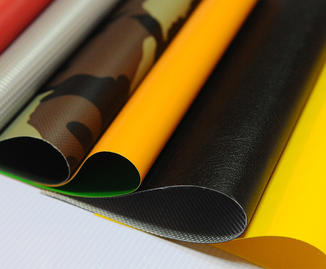
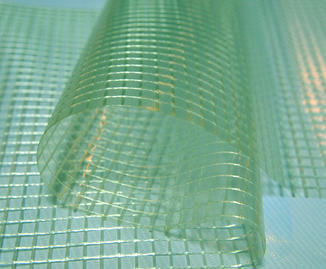
PVC tarpaulin is a composite material typically made by coating or laminating polyvinyl chloride (PVC) onto a base fabric such as polyester. This combination enhances tensile strength, flexibility, and weather resistance.
Key Characteristics
- High durability and tear resistance
- Waterproof and UV-resistant properties
- Chemical and corrosion resistance
- Long service life compared to traditional fabrics
These advantages contribute to reduced replacement frequency, which can positively influence environmental impact when managed correctly.
Environmental Impact of Raw Material Production
The environmental footprint of PVC tarpaulin begins at the raw material stage. PVC is derived from petroleum-based resources and chlorine, both of which involve energy-intensive extraction and processing.
Key Considerations
| Aspect | Environmental Impact |
|---|---|
| Petroleum extraction | Resource depletion and greenhouse gas emissions |
| Chlorine production | Energy consumption and potential chemical by-products |
| Additives and plasticizers | May introduce toxicity if not properly controlled |
The production of PVC tarpaulin material requires careful regulation to minimize emissions and ensure safe handling of chemical components.
Manufacturing Process and Emissions
The manufacturing process of PVC tarpaulin involves coating, laminating, and heat treatment. These steps may generate emissions and waste if not properly managed.
Environmental Concerns
- Volatile organic compounds (VOCs) released during coating
- Energy consumption in high-temperature processing
- Waste materials from trimming and finishing
Modern production facilities are increasingly adopting cleaner technologies, such as closed-loop systems and low-emission coatings, to reduce environmental impact.
Durability and Lifecycle Benefits
One of the important environmental advantages of PVC tarpaulin is its long lifespan. Compared to alternative materials, it requires less frequent replacement, reducing overall material consumption.
Lifecycle Comparison
| Material Type | Average Lifespan | Replacement Frequency | Environmental Impact |
|---|---|---|---|
| PVC tarpaulin | Long | Low | Moderate (spread over time) |
| Canvas tarpaulin | Medium | Medium | Higher due to wear |
| PE tarpaulin | Short | High | Increased waste |
Extended durability can offset some environmental costs associated with production, especially in heavy-duty applications.
Waste Management and Disposal Challenges
Despite its durability, PVC tarpaulin eventually reaches the end of its lifecycle. Disposal presents one of the significant environmental challenges.
Key Issues
- Non-biodegradability: PVC tarpaulin does not decompose naturally
- Landfill accumulation: Long-term environmental burden
- Incineration risks: Potential release of harmful substances if not properly controlled
Improper disposal can environmental pollution, making waste management strategies critical.
Recycling Potential and Limitations
Recycling PVC tarpaulin material is possible but often limited by contamination, coatings, and mixed materials.
Recycling Considerations
- Mechanical recycling: Requires sorting and cleaning
- Chemical recycling: More complex but can recover raw materials
- Downcycling: Conversion into lower-grade products such as mats or industrial fillers
| Recycling Method | Advantages | Limitations |
|---|---|---|
| Mechanical | Cost-effective | Quality degradation |
| Chemical | High material recovery | Expensive and energy-intensive |
| Downcycling | Reduces landfill waste | Limited reuse value |
Improving recycling infrastructure and design-for-recycling approaches can enhance sustainability.
Environmental Impact During Use
During its service life, PVC tarpaulin is relatively stable and does not typically release harmful substances under normal conditions. However, certain factors may influence its environmental performance.
Usage Considerations
- UV degradation over time may release microplastics
- Improper handling can physical damage and waste
- Exposure to conditions may reduce lifespan
Proper maintenance, including cleaning and storage, can extend usability and reduce environmental impact.
Sustainable Alternatives and Innovations
As environmental awareness increases, alternative materials and improved formulations are being developed to reduce the ecological footprint of tarpaulins.
Emerging Solutions
- Bio-based coatings to reduce reliance on fossil resources
- Low-toxicity plasticizers for safer production
- Recyclable composite structures
- Hybrid materials combining durability with eco-friendliness
These innovations aim to retain the performance benefits of PVC tarpaulin while addressing sustainability concerns.
Best Practices for Environmentally Responsible Use
Users can take practical steps to minimize the environmental impact of PVC tarpaulin.
Recommended Practices
Choose high-quality materials with longer lifespans
Avoid unnecessary replacement through proper maintenance
Reuse tarpaulin in secondary applications when possible
Work with recycling programs where available
Store properly to prevent premature degradation
Responsible usage plays a crucial role in reducing the overall environmental footprint.
Regulatory and Environmental Standards
Environmental regulations governing PVC tarpaulin production and use vary by region but generally focus on emissions, chemical safety, and waste management.
Key Focus Areas
- Control of hazardous additives
- Reduction of industrial emissions
- Promotion of recyclable materials
- Compliance with environmental safety standards
Adhering to these guidelines ensures safer production and use of PVC tarpaulin material.
Conclusion
PVC tarpaulin remains a valuable material for a wide range of industrial and commercial applications due to its durability and performance. However, its environmental impact cannot be overlooked. From raw material extraction to end-of-life disposal, each stage presents challenges that require careful management.
By adopting sustainable production methods, improving recycling systems, and encouraging responsible use, the environmental footprint of PVC tarpaulin can be significantly reduced.
FAQ
1. Is PVC tarpaulin environmentally friendly?
PVC tarpaulin is not inherently eco-friendly due to its petroleum-based composition, but its long lifespan and durability can reduce overall environmental impact when used responsibly.
2. Can PVC tarpaulin be recycled?
Yes, PVC tarpaulin material can be recycled, though the process may be complex depending on contamination and material composition.
3. What are the main environmental concerns of PVC tarpaulin?
Key concerns include non-biodegradability, production emissions, and challenges in disposal and recycling.
4. How can I reduce the environmental impact when using PVC tarpaulin?
You can extend its lifespan through proper maintenance, reuse it when possible, and participate in recycling programs.
5. Are there eco-friendly alternatives to PVC tarpaulin?
Yes, alternatives include bio-based materials, recyclable composites, and low-toxicity coated fabrics designed to reduce environmental impact.