 English
 CN
CN ES
ES 86-573-88890126
Flex material is a thin, bendable sheet designed for laser cutting and engraving. Makers, small studios, and classrooms often choose flex material when they want the look of a lightweight clear or colored panel without the weight, breakage risk, or shipping cost of rigid plastic. A typical sheet is about 0.01 inch (roughly 0.25 mm) thick, which lets it bend slightly while still holding fine detail.
This guide explains what the material is, the main varieties you will encounter, how it compares with acrylic and laser safe vinyl, practical uses, and a clear method for choosing the right option. Each section focuses on decisions you can act on, so you can move from research to a confident purchase with fewer test cuts and less wasted material.
What Flex Material Really Is
At its core, flex material is a thin polymer sheet engineered to stay flexible while remaining clean to cut and engrave with a laser. Rigid acrylic can crack when it is flexed, dropped, or drilled, while flex material absorbs small amounts of stress and returns to its original shape. That makes it a practical choice for items that will be handled, folded into envelopes, or applied to curved surfaces.
Four characteristics define the category: thickness, flexibility, cut quality, and surface finish. Most sheets fall into the thin range described above, they are light enough to mail flat at modest cost, and they respond predictably to laser settings once you have tested them. Because the material is so thin, a small change in power or speed can noticeably alter the edge quality, so test cuts are a normal part of the workflow rather than an optional step.
Main Types of Flex Material
Manufacturers offer several variations of the basic sheet. The right one depends on whether you need transparency, opacity, an adhesive backing, or a reflective surface. The six types below cover most small projects, and each has a distinct role in a finished piece.
Clear Flex
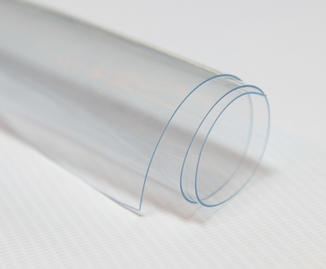
The transparent version of the material has the appearance of thin clear acrylic but with much more flexibility. Light passes through it, so it suits bookmarks, sun catchers, and layered artwork where several sheets are stacked to build depth. When you plan a clear flex project, check whether the design needs a fully transparent finish or a frosted look.
White Flex
White flex is opaque with a soft matte surface. Laser engraving on it produces a contrasting darker mark, which makes it popular for templates, stencils, labels, and decorative inlays. Because it blocks light, it is a poor choice for sun catchers, but it works very well for signs and layered designs that rely on color contrast.
Peel and Stick Clear Flex
This variety comes with a removable adhesive backing. After cutting, the piece can be applied directly to acrylic, wood, glass, or drinkware. The light weight keeps mailing costs low, and the backing makes positioning simple, which is valuable for personalized gifts and small-batch product labels. Many makers choose peel and stick flex when they want to cut once and apply many times.
Iridescent Peel and Stick Flex
The iridescent version shifts color depending on the viewing angle. Its shimmer draws attention in decorative stickers, jewelry components, and seasonal crafts. Because the effect is part of the appearance, it is best used for accents rather than large backgrounds where the color shift might become distracting.
Mirror Peel and Stick Flex
The mirror variety has a reflective metallic surface. It is suited to decorative accents, small framed displays, and signage that needs a polished look. Reflective surfaces show fingerprints and scratches more easily, so handle them carefully during application.
Dry Erase Flex
Dry erase flex accepts dry erase markers and wipes clean with a cloth. It is widely used for milestone signs, menu boards, chore charts, and to-do displays. Test your marker brand on a scrap piece first, since some inks cling more than others and may need a gentle cleaner.
Flex Material Compared with Acrylic and Vinyl
Many buyers compare flex material with rigid acrylic or laser safe vinyl, and the differences matter when you plan a project. The table below summarizes the most common points of comparison in general terms.
| Property | Flex Material | Acrylic Sheet | Laser Safe Vinyl |
|---|---|---|---|
| Typical thickness | About 0.01 in | Usually an eighth inch or thicker | Varies widely |
| Weight | Very light | Heavy | Light |
| Flexibility | High | Low and brittle | Moderate |
| Light transmission | Clear or opaque types | Usually clear | Usually opaque |
| Adhesive backing | Often available | Rarely included | Often available |
| Shipping cost | Low | High | Low |
Acrylic offers a rigid, glass-like look and strong edges, which makes it better for structural pieces that must hold their shape. Flex material gives up some rigidity in exchange for lightness, bendability, and easy adhesive application. Laser safe vinyl is often opaque and can work well for bold graphic designs, but it typically lacks the crisp transparency that makes clear flex appealing for sun catchers and layered projects.
Common Uses for Flex Material
The versatility of flex material comes from its combination of lightness, cut precision, and surface options. The following applications show how makers commonly use it.
- Bookmarks and layered art: thin sheets stack neatly, allowing a single design to gain depth through several colored or clear layers.
- Sun catchers: transparent types let daylight pass through, so intricate cutouts glow when placed in a window.
- Stickers and product labels: peel and stick versions can be cut into custom shapes and applied to bottles, tumblers, or packaging.
- Signs and milestone markers: dry erase or white sheets can be updated repeatedly, which suits classroom boards and baby milestone cards.
- Jewelry and ornaments: iridescent and mirror finishes add color and shine to earrings, keychains, and small decorative charms.
- Craft kits and templates: white stencils and reusable guides speed up repeated production runs.
Across these uses, the material works best when its strengths are matched to the design. A sticker needs an adhesive backing, a sun catcher needs transparency, and a reusable board needs a surface that accepts markers. Choosing the type first and the design second helps avoid redesigning after the first cut.
How to Choose the Right Flex Material
Selecting the correct variety is easier when you work through a sequence of questions. The diagram below shows a simple four-step method that many makers follow before ordering.
Match the Type to the Purpose
Start by describing how the finished piece will be used. A decorative window hanging points toward clear flex, a reusable chore chart points toward dry erase flex, and a product label points toward a peel and stick variety. If the piece will be seen in bright daylight, consider whether a shimmering or reflective finish will still read clearly.
Decide Whether an Adhesive Backing Is Needed
Adhesive versions save time when a design must be applied to a smooth, clean surface. Plain sheets are better when the piece will be stitched, hung, or layered with glue that you control. Remember that adhesive surfaces should be cleaned before application, and that curved drinkware may need a careful press to avoid trapped air.
Consider Light Requirements
If light must pass through the design, choose a clear type. If you need strong contrast when engraved, white is the better choice. Opaque sheets also hide the backing color, which can be useful when you want a clean, uniform appearance on a multi-layer project.
Practical Tips Before You Start Cutting
A few habits prevent most common problems. The following steps are simple, but they save time and material.
- Run a test grid: cut a small grid of settings on scrap to find the balance between clean edges and reliable separation.
- Secure the sheet flat: because the material is thin, any curl or lift can change the focus and produce uneven cuts.
- Protect the surface: keep the protective film on until the design is cut, especially for mirror and iridescent finishes.
- Plan the layers: arrange multi-layer designs so that each sheet can be aligned, which keeps registration consistent.
- Store flat and cool: keeping sheets away from heat and direct sun helps them stay flat and keeps adhesive performing well.
Keeping a log of settings for each type of material will also speed future projects. Even small differences in thickness or finish can change the ideal settings, so recording what worked for each variety builds a reliable reference over time.
Preparing Your Project Brief
When you are ready to compare options or request pricing, having a few details ready makes the process faster. Note the intended use, the material type and finish, the thickness you expect, the overall dimensions, and the quantity you need. If the project involves adhesive application, mention the surface type, since smooth glass and curved tumblers require different planning.
Frequently Asked Questions
Q1: Can you use clear flex for sun catchers?
Yes, clear flex is one of the most common choices for sun catchers because light passes through it. Choose a design with well-spaced cutouts so the piece holds together and reads clearly in the window.
Q2: Can you engrave white flex?
White flex engraves well and produces a darker contrasting mark. Run a test grid first, since the depth and color of the result depend on the settings and the specific sheet.
Q3: Can peel and stick flex be used on tumblers?
It can, provided the tumbler surface is clean, smooth, and dry before application. Curved surfaces may need gentle, even pressure to avoid bubbles, and some makers add a light coat of protective sealant after application.
Q4: What is the difference between clear flex and white flex?
Clear flex is transparent and suits designs that need light to pass through. White flex is opaque with a matte surface and is better for templates, labels, and designs that rely on contrast.
Q5: Is flex material the same as acrylic?
No. Flex material is much thinner, lighter, and more bendable than rigid acrylic. It is best for lightweight decorative or applied projects, while acrylic is better suited to structural pieces that must hold their shape.