 English
 CN
CN ES
ES 86-573-88890126
How Mesh Banner Material Works
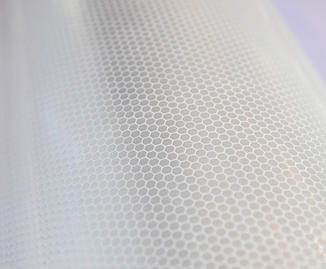
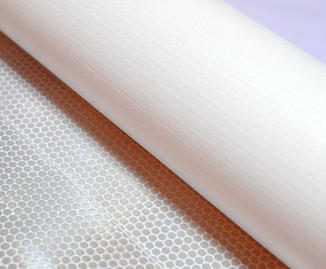
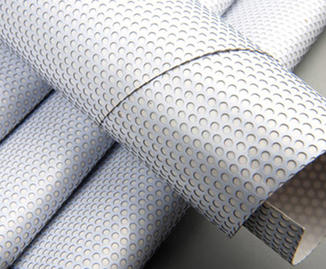
Mesh banner material operates through a combination of structural engineering and advanced coating technology. The base fabric — typically high-tenacity polyester yarns woven or knitted into a mesh structure — provides mechanical strength and dimensional stability. The mesh openings, typically 20–40% of the total surface area, allow air to pass through, reducing wind load by 50–70% compared to solid banners of equivalent size. A PVC coating applied to the polyester base provides waterproofing, UV resistance, and a printable surface. A mesh banner material with an optimised coating formulation delivers vibrant colour reproduction, strong ink adhesion, and long-term outdoor durability. The perforated structure also reduces material weight, making large-format banners easier to handle, transport, and install while maintaining the visual impact required for effective outdoor advertising.
Key Benefits for Outdoor Advertising and Printing
Advertising companies, print service providers, and contractors who choose mesh banner material realize significant advantages in safety, performance, and cost-effectiveness. These materials are engineered for demanding outdoor applications where wind resistance and durability are essential.
Perforated structure reduces wind load by 50–70% compared to solid banners — enabling safe installation on large facades, construction sites, and open outdoor areas.
Lower material weight simplifies handling, transportation, and installation — reducing labor costs and enabling deployment on large-scale advertising projects.
Smooth PVC coating provides excellent ink adhesion and colour reproduction — delivering vibrant, high-resolution graphics for commercial advertising and branding.
UV-resistant coating and waterproof construction ensure long-term outdoor performance — withstanding rain, sunlight, and temperature extremes.
Mesh Banner vs Solid PVC Banner
Understanding the differences between mesh and solid PVC banner materials helps advertising professionals select the right substrate for their specific applications.
| Feature | Mesh Banner | Solid PVC Banner |
| Wind Resistance | Excellent (air passes through) | Poor (full wind load) |
| Weight | Lightweight | Heavier |
| Print Quality | Good to excellent | Excellent |
| Large-Scale Safety | High | Limited |
| Building Wraps | Highly suitable | Risky |
| Cost | Moderate | Lower |
Choose mesh banner material for large-scale outdoor installations where wind resistance and installation safety are critical — building facades, construction sites, sports stadiums, and high-rise advertising. Mesh banners provide the best combination of visual impact, safety, and durability for demanding outdoor applications where solid banners would be unsafe or impractical.
Types of Mesh Banner Material
Mesh banner material is available in various configurations to suit different printing technologies, installation conditions, and application requirements.
Frontlit Mesh
Designed for front-illuminated printing with high colour reproduction — suitable for daylight advertising, outdoor signage, and promotional displays.
Blockout Mesh
Reduced light penetration with enhanced image visibility — ideal for premium displays and double-sided visual applications requiring high opacity.
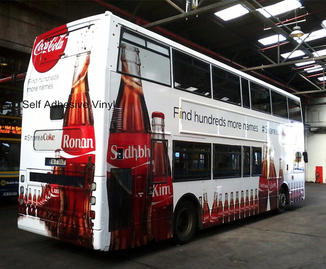
Self-Adhesive Mesh
Adhesive backing for easy installation on glass, retail displays, and temporary promotional graphics — convenient for short-term applications.
Fire Retardant Mesh
Flame-resistant formulation for public spaces, events, and exhibition halls where fire safety compliance is required.
Manufacturing Process and Quality Standards
Mesh banner material is manufactured through a precision process that ensures consistent quality, print performance, and outdoor durability. The production process involves polyester yarn preparation, weaving or knitting, PVC coating, surface treatment, and comprehensive quality testing.
- High-tenacity polyester yarns for strength
- Precision mesh opening control (20–40%)
- Dimensional stability for large formats
- PVC coating for waterproofing and UV protection
- Printable surface treatment for ink adhesion
- Gloss or matte finish options
- Tensile and tear strength verification
- Wind resistance performance testing
- UV aging and weather durability testing
Performance Specifications
Understanding the technical specifications of mesh banner material helps print buyers and advertising professionals select the right material for their projects.
Ideal Applications for Mesh Banner Material
Mesh banner material delivers optimal results across diverse outdoor advertising and display applications where wind resistance, lightweight handling, and visual impact are essential.
- Building facade advertising: Large-scale building wraps and renovation covers requiring wind-resistant, lightweight materials.
- Construction site banners: Temporary advertising and safety displays on scaffolding and construction barriers.
- Sports events and stadiums: Large-format event branding, sponsor displays, and perimeter advertising.
- Outdoor advertising campaigns: Billboard displays, roadside advertising, and promotional graphics for commercial brands.
- Industrial and safety signage: Protective screens, safety barriers, and temporary industrial displays.
Installation and Care Best Practices
Proper installation of mesh banner material is essential for achieving optimal performance and service life. Ensure the banner is tensioned evenly to prevent flapping and fatigue. Use reinforced edges and appropriate fixing systems — grommets, hemming, or pole pockets depending on the installation method. For building wraps, ensure the banner is securely attached to the building structure with appropriate wind load calculations. For storage, clean the banner with mild soap and water, allow it to dry completely, and roll loosely rather than folding to prevent creasing. Avoid exposing the material to sharp edges or abrasive surfaces that could damage the PVC coating. With proper installation and care, mesh banner material provides 1–3 years of reliable outdoor service, depending on environmental conditions and UV exposure.
What is the difference between mesh banner material and standard PVC banner?
Mesh banner material features an open-weave perforated structure that allows air to pass through, reducing wind load by 50–70%. Standard PVC banner is solid, capturing the full wind load. Mesh is preferred for large-scale outdoor installations where wind resistance is critical.
Can mesh banner material be printed with UV ink?
Yes, most mesh banner materials are compatible with UV printing, solvent printing, and eco-solvent printing. The PVC coating provides excellent ink adhesion and colour reproduction. Verify the material's printing compatibility with your specific printer and ink type before production.
How long does mesh banner material last outdoors?
With proper installation and UV-resistant coating, mesh banner material typically lasts 1–3 years outdoors, depending on climate and sunlight exposure. Premium materials with enhanced UV protection can last up to 5 years in moderate climates.
Is mesh banner material suitable for double-sided printing?
Yes, blockout mesh banner materials are designed for double-sided printing applications. The opaque construction prevents light penetration, ensuring high visibility on both sides — ideal for hanging banners, event displays, and suspended advertising.