 English
 CN
CN ES
ES 86-573-88890126
Structure and material composition
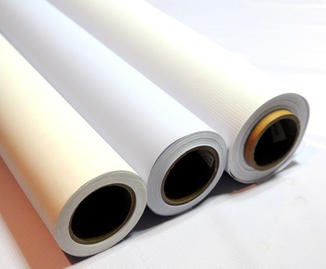
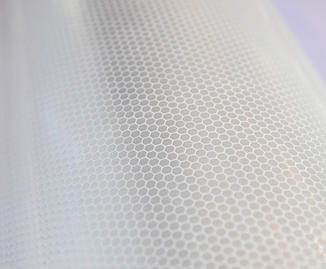
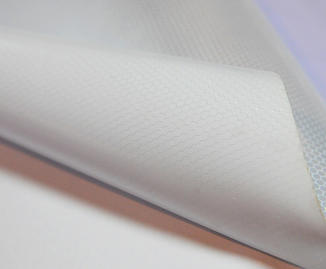
PVC tarpaulin material consists of three primary layers working together to deliver its characteristic performance. The base layer is a high-tenacity woven polyester or nylon fabric that provides mechanical strength — typically 500–2000 denier yarns create the structural reinforcement. The middle layer is the PVC coating applied through calendering or knife-coating processes, which bonds to the textile and provides waterproofing, flexibility, and chemical resistance. The surface layer may include UV inhibitors, anti-fungal agents, and flame retardant additives that extend outdoor service life and improve safety. A PVC tarpaulin material with proper formulation withstands continuous UV exposure for 5–15 years depending on the additive package and coating thickness.
Key performance properties
PVC tarpaulin material delivers a combination of properties that make it suitable for demanding outdoor applications. Waterproof rating typically exceeds 10,000 mm water column, ensuring complete protection against rain and moisture. Tensile strength ranges from 800 to 4000 N/50mm depending on fabric weight and construction, providing resistance to wind loading and mechanical stress. Tear strength of 300–1200 N ensures that minor damage does not propagate across the material. The material maintains flexibility from -30°C to +70°C, with specialised low-temperature grades available for cold climates. UV resistance is achieved through the addition of hindered amine light stabilisers (HALS) that absorb UV radiation and prevent polymer degradation. These properties combine to provide dependable protection in diverse environmental conditions.
Types of PVC tarpaulin
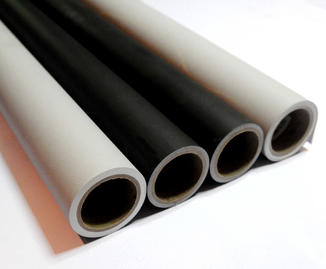
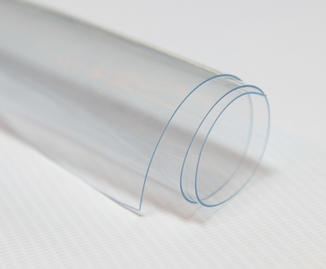
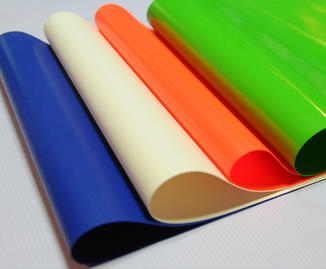
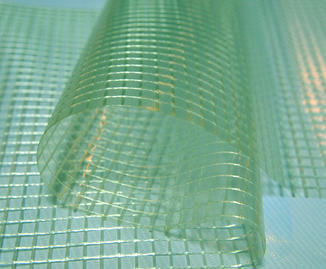
PVC tarpaulin material is manufactured in multiple variants to address different application requirements. Heavy-duty tarpaulins feature high denier base fabrics (1000–2000 denier) and thick PVC coatings (500–1000 g/m²) for industrial protection and cargo covers. Flame retardant tarpaulins incorporate brominated or phosphorus-based additives to meet safety standards such as NFPA 701 or EN 13501-1. Printable tarpaulins have specially treated surfaces optimised for solvent, UV, and latex inks, used for advertising banners and event graphics. Transparent tarpaulins use clear PVC formulations for windows, enclosures, and light-transmitting applications. Each type balances different performance attributes — strength, weight, fire safety, and printability — allowing selection based on specific end-use requirements.
Manufacturing process
The production of PVC tarpaulin material involves multiple precision-controlled stages. The base fabric is woven from high-tenacity polyester yarns on heavy-duty looms, with the weave density and yarn count determining the fabric's mechanical properties. The fabric is then passed through a coating line where PVC plastisol is applied using knife-over-roller or calender coating methods. Coating thickness is precisely controlled to achieve the required waterproofing and durability — typical coating weights range from 200 to 1000 g/m². The coated fabric passes through a heating oven to fuse the PVC to the fabric and cure the formulation. Additional surface treatments — UV inhibitors, anti-fungal agents, and release coatings — are applied in subsequent finishing stages. The finished material is inspected for coating uniformity, thickness consistency, and physical properties before packaging.
Application environments
Selection criteria
PVC tarpaulin vs alternative materials
PVC tarpaulin material offers distinct advantages over competing materials. Compared to PE (polyethylene) tarpaulins, PVC provides 3–5× greater tear strength and significantly longer UV resistance — PVC tarpaulins typically last 5–15 years outdoors, while PE tarpaulins degrade within 1–3 years. Compared to TPU (thermoplastic polyurethane) coated fabrics, PVC is more cost-effective and offers better chemical resistance, though TPU provides superior low-temperature flexibility and abrasion resistance. Canvas tarpaulins absorb moisture, are heavier, and require regular reproofing — PVC is inherently waterproof and maintenance-free. For demanding industrial applications where durability and weather resistance are critical, PVC tarpaulin remains the preferred choice due to its proven performance and cost efficiency.
Installation and maintenance
Proper installation extends the service life of PVC tarpaulin material. When covering loads or structures, ensure the tarpaulin is tensioned evenly to prevent flapping that causes fatigue and wear. Use reinforced edges and eyelets for secure attachment — eyelet spacing of 300–500 mm provides adequate load distribution. Avoid sharp contact points that could puncture or abrade the coating. For storage, clean the tarpaulin with mild soap and water, allow it to dry completely, and fold loosely rather than rolling tightly. Avoid folding on sharp creases that can crack the PVC coating. Minor repairs can be made using PVC repair patches and solvent-based adhesives. With proper care, PVC tarpaulins maintain their protective properties for their full rated service life.