 English
Does PVC Tarpaulin Protect Against Extreme Heat & Snow?
Understanding the Thermal and Structural Behavior of PVC Tarpaulin
Extreme weather exposure is one of the toughest tests for any coated fabric. PVC tarpaulin is widely used across construction, logistics, agriculture, and marine sectors precisely because it is engineered to resist both thermal degradation and mechanical stress from snow accumulation. This article breaks down how the material performs under these two opposing climate extremes, what factors influence its durability, and what buyers should evaluate before selecting a fabric for demanding environments.
A well-constructed PVC coated fabric can typically operate within a temperature range of negative 30 degrees Celsius to positive 70 degrees Celsius, though performance varies by formulation and coating thickness.
The Layered Structure Behind Weather Resistance
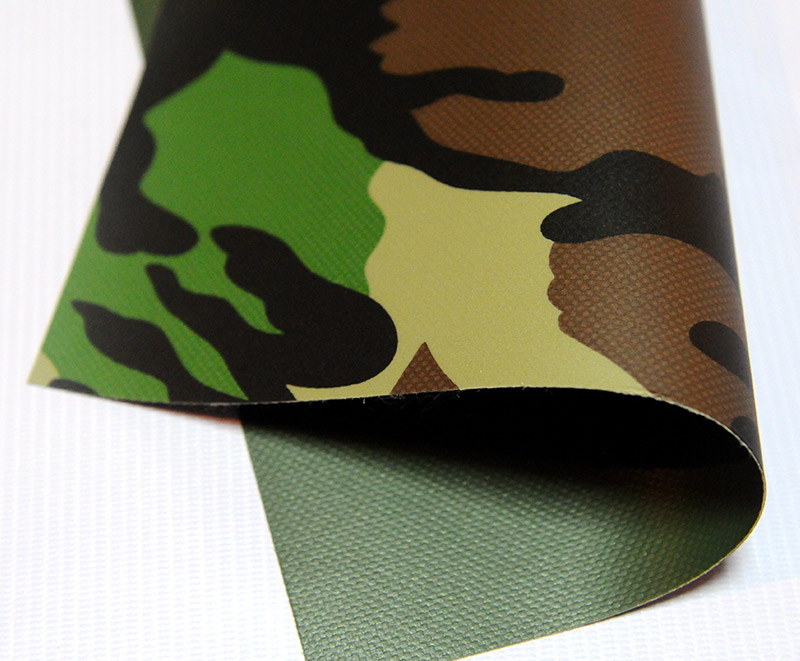
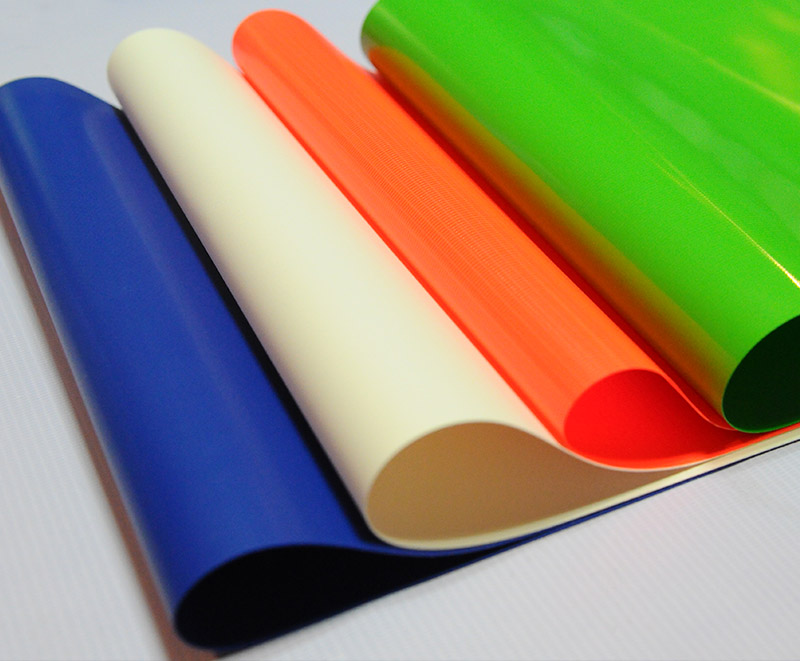
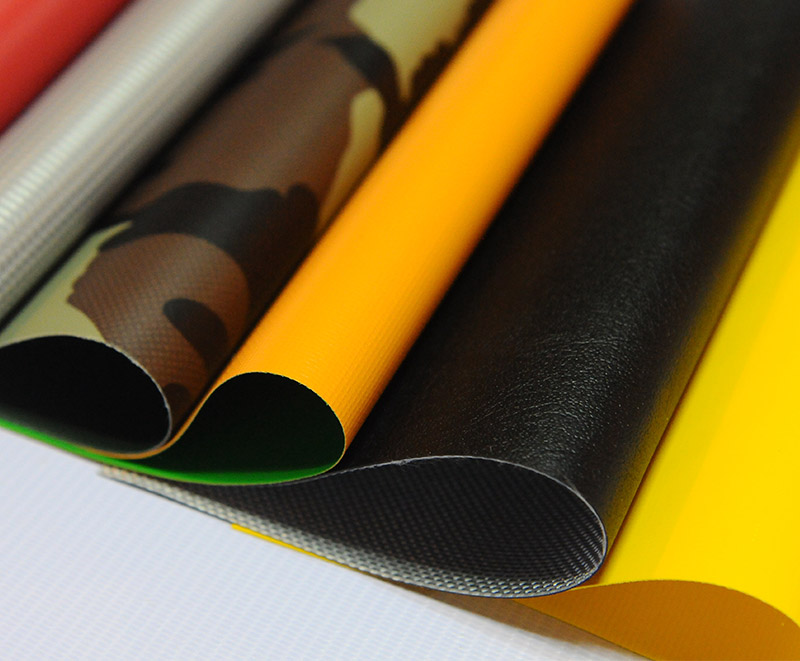
PVC tarpaulin fabric is not a single-layer material. Its resistance to heat and cold comes from a composite structure that combines a woven polyester or nylon core with PVC coating applied on both sides.
The base fabric provides tensile and tear strength, allowing the material to bear the weight of accumulated snow without stretching or splitting. The PVC coating layers seal the weave, block moisture penetration, and add a degree of flexibility that prevents cracking when temperatures drop sharply.
Performance Under Extreme Heat
Thermal Stability and UV Exposure
Prolonged exposure to high temperatures and ultraviolet radiation can cause ordinary plastic sheeting to become brittle within a single season. Industrial PVC tarpaulin is formulated with UV stabilizers and heat-resistant plasticizers that slow this degradation process considerably.
- Surface temperatures on dark colored tarpaulin can reach 60 to 80 degrees Celsius under direct summer sun in high radiation regions.
- Quality PVC coated tarpaulin is designed to resist softening or tackiness up to approximately 70 degrees Celsius continuous exposure.
- UV stabilized formulations reduce color fading and coating chalking over multi year outdoor use.
- Heat resistant grades are commonly specified for desert logistics covers, roofing membranes, and industrial curing tents.
Why Heat Resistance Matters in Practice
In regions with sustained high temperatures, a fabric that lacks proper heat stabilization will lose plasticizer content over time, becoming stiff and prone to cracking at seams. This is why heavy duty PVC tarpaulin intended for tropical or desert climates typically uses a higher grade coating formulation than tarpaulin sold for temperate use only.
Performance Under Heavy Snow and Cold Conditions
Flexibility at Low Temperatures
Snow performance depends on two separate properties: the fabric's ability to stay flexible in freezing conditions, and its structural strength to bear accumulated weight without tearing.
| Condition | Typical Impact on Standard Coated Fabric | Typical Impact on Cold Rated PVC Tarpaulin |
|---|---|---|
| Minus 10 degrees Celsius | Slight stiffening | Retains flexibility |
| Minus 20 degrees Celsius | Noticeable brittleness risk | Minor stiffening, no cracking |
| Minus 30 degrees Celsius | High risk of seam cracking | Functional with cold rated coating |
| Heavy snow load | Sagging or tearing if base fabric is light | Holds shape with reinforced weave density |
Load Bearing Design for Snow
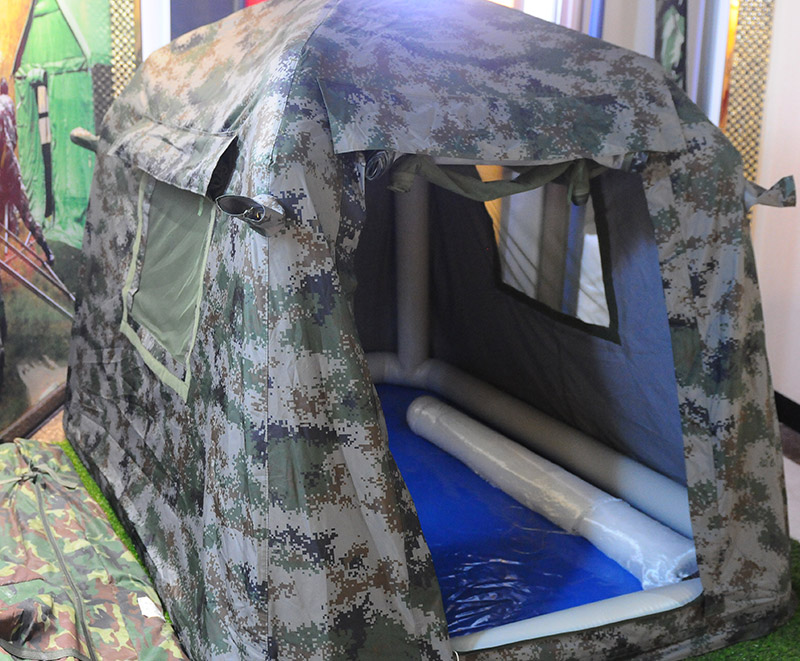
Snow load resistance is largely a function of fabric weight and weave density, measured in grams per square meter. Structures such as temporary warehouses, livestock shelters, and event tents rely on higher gram weight PVC tarp material to prevent roof sagging under accumulated snow.
Key Factors That Determine All Weather Performance
Coating Thickness
Thicker PVC coating improves both waterproofing and resistance to thermal cycling, though it adds weight to the finished roll.
Base Fabric Density
A denser polyester weave, often expressed in denier, increases tear resistance under wind and snow loading.
Plasticizer Formulation
The type and amount of plasticizer used directly affects low temperature flexibility and long term heat stability.
Seam and Weld Quality
Hot air or high frequency welded seams typically outperform stitched seams in both waterproof integrity and cold weather durability.
Common Applications Requiring Weather Resistant Fabric
Beyond general tarpaulin use, PVC coated fabric with strong thermal and cold performance is selected for a range of specialized applications, including truck cover systems, side curtain panels for transport vehicles, tent fabric for outdoor structures, awning fabric for storefronts, billboard fabric for outdoor advertising, pond liner installations, swimming pool cover systems, inflatable boat fabric, and architecture membrane projects for stadium or exhibition roofing.
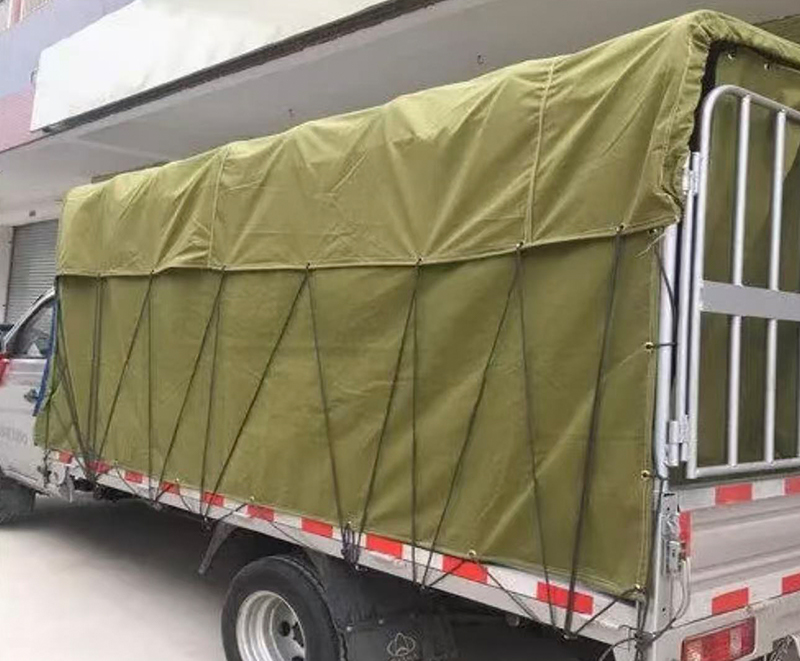
- Transport and logistics: truck cover and side curtain applications exposed to constant temperature swings.
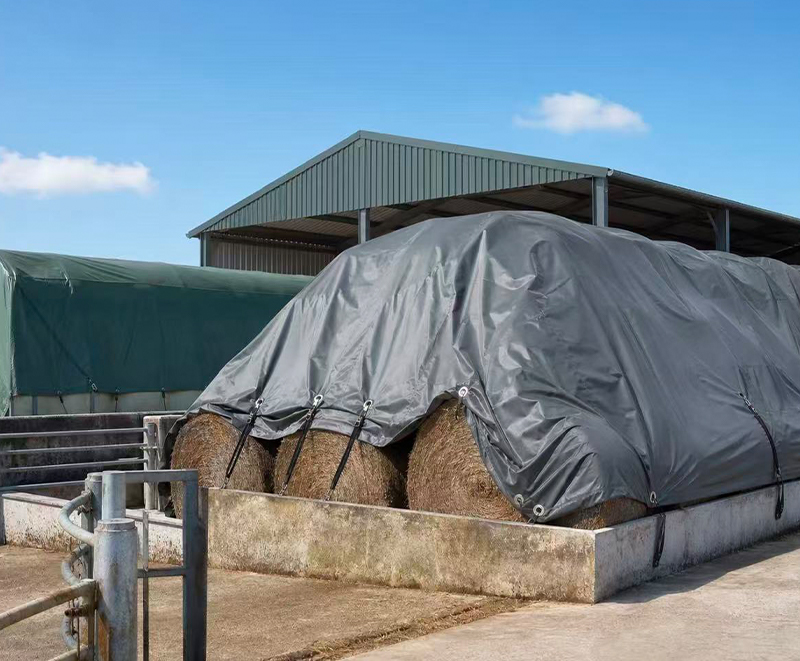
- Agricultural storage: livestock shelters and grain covers facing both summer heat and winter snow.
- Construction: temporary site enclosures and scaffolding wraps used year round.
- Outdoor advertising: billboard fabric requiring color and shape stability across seasons.
- Water containment: pond liner and swimming pool cover products needing puncture and UV resistance.
How to Select the Right Grade for Your Climate
Choosing an appropriate industrial PVC tarpaulin depends on matching the fabric specification to the expected climate profile of the installation site.
| Climate Type | Recommended Fabric Weight | Priority Property |
|---|---|---|
| Hot arid regions | Medium to heavy, 650 to 900 grams per square meter | UV and heat stabilization |
| Cold and snow prone regions | Heavy, 900 grams per square meter or above | Low temperature flexibility and load strength |
| Coastal or humid regions | Medium, 500 to 700 grams per square meter | Waterproofing and mildew resistance |
| Mixed seasonal climates | Medium to heavy, 700 to 850 grams per square meter | Balanced thermal and mechanical performance |
Buyers should also confirm whether the waterproof PVC tarpaulin or PVC laminated tarpaulin being considered has been tested for cold crack resistance and heat aging, since these two properties are the clearest indicators of how the fabric will behave across seasonal extremes.
Maintenance Tips to Extend Weather Resistance
- Remove accumulated snow periodically rather than allowing prolonged heavy loading on tensioned structures.
- Clean surface dust and debris regularly to prevent UV degradation from being accelerated by trapped particles.
- Inspect welded seams seasonally, since thermal cycling can gradually stress joint areas over multiple years.
- Store unused PVC fabric roll material in a dry, moderate temperature space to preserve plasticizer content.
- Avoid folding cold, stiffened fabric forcefully, as this can create stress fractures in the coating layer.
Frequently Asked Questions
Q1: What is PVC tarpaulin made of?
It consists of a woven polyester or nylon base fabric coated on both sides with polyvinyl chloride, which provides waterproofing, UV resistance, and mechanical strength.
Q2: Is PVC tarpaulin waterproof?
Yes, the PVC coating layers form a continuous barrier that prevents water penetration, making it suitable for outdoor and wet environment applications.
Q3: How long does PVC tarpaulin last?
Service life typically ranges from five to ten years depending on coating quality, UV exposure levels, and maintenance practices, with higher grade formulations lasting longer under harsh conditions.
Q4: Can PVC tarpaulin be welded?
Yes, most PVC coated fabric can be joined using hot air or high frequency welding, which typically creates a stronger and more waterproof seam than traditional stitching.
Q5: How much does PVC tarpaulin cost?
Pricing varies based on fabric weight, coating thickness, and climate rated formulation, so it is best evaluated per project specification rather than as a fixed figure.
-
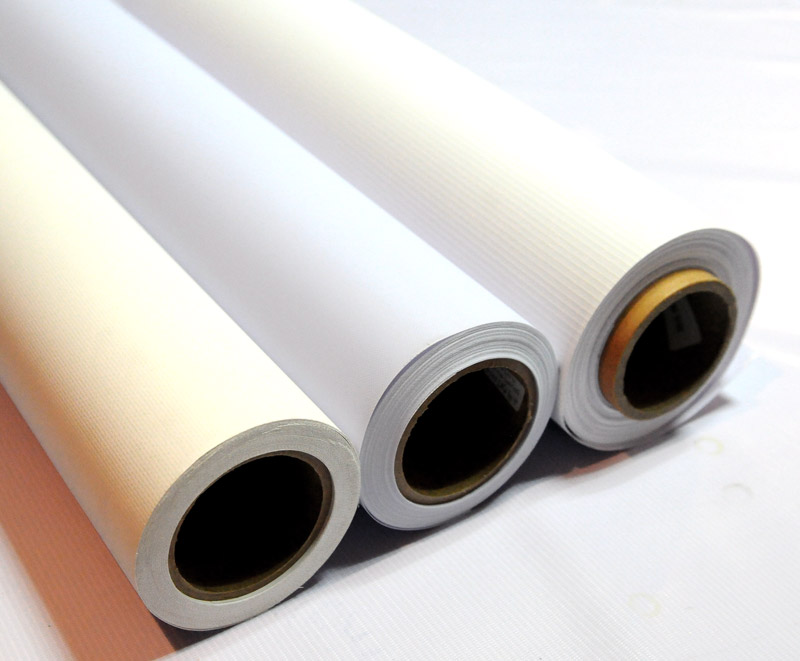 Hot/Cold Laminated Frontlit & Backlit Flex Banner
-
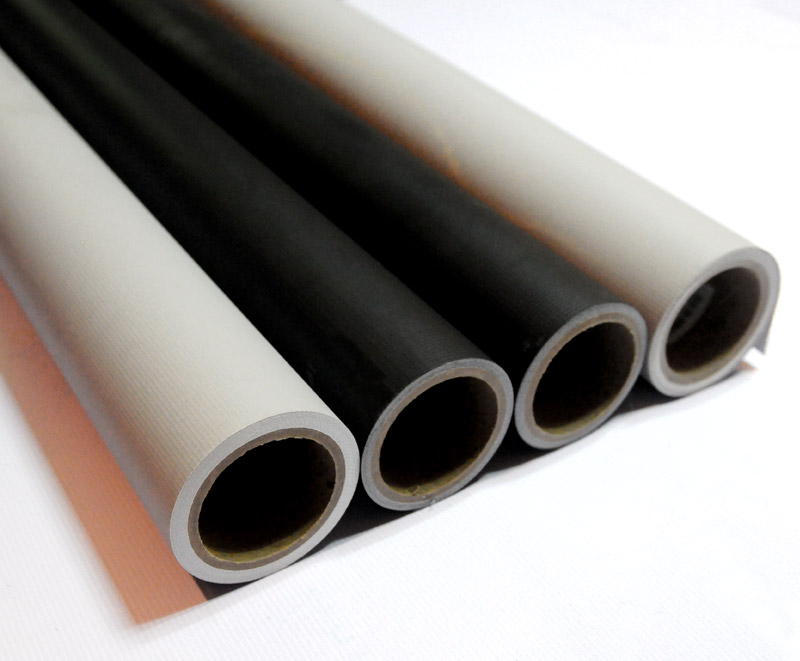 Pvc Blockout Flex Banner Roll Material
-
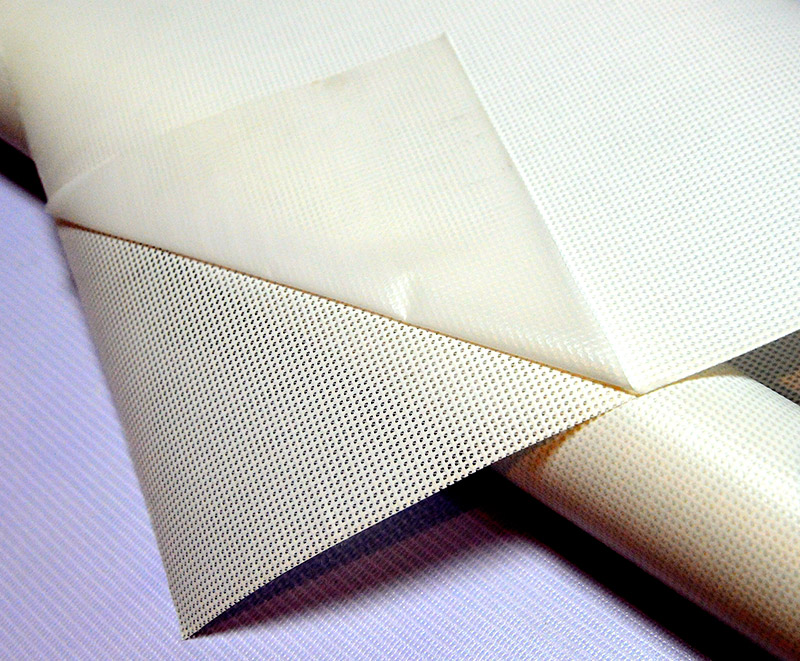 Pvc Liner Mesh Banner Material Roll
-
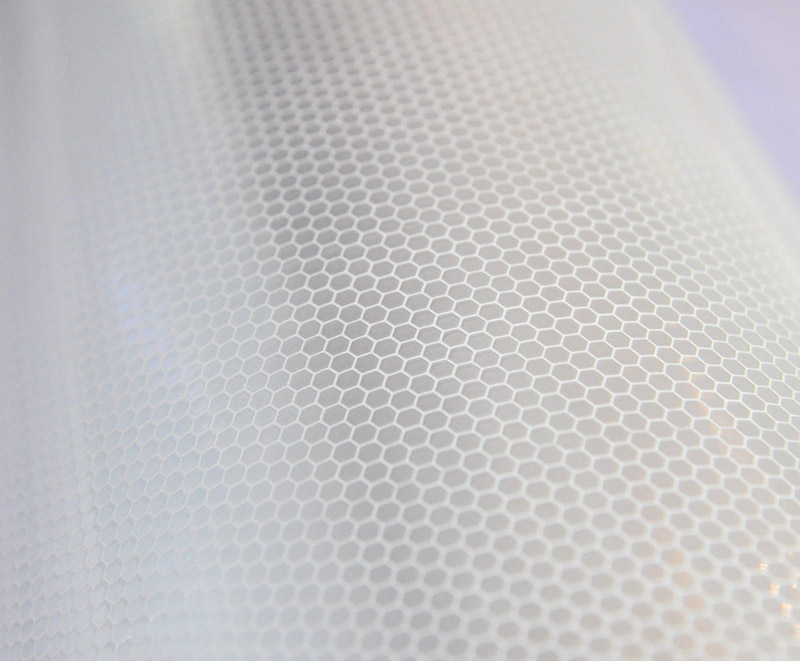 White Reflective Honeycomb Vinyl Sticker Materials
-
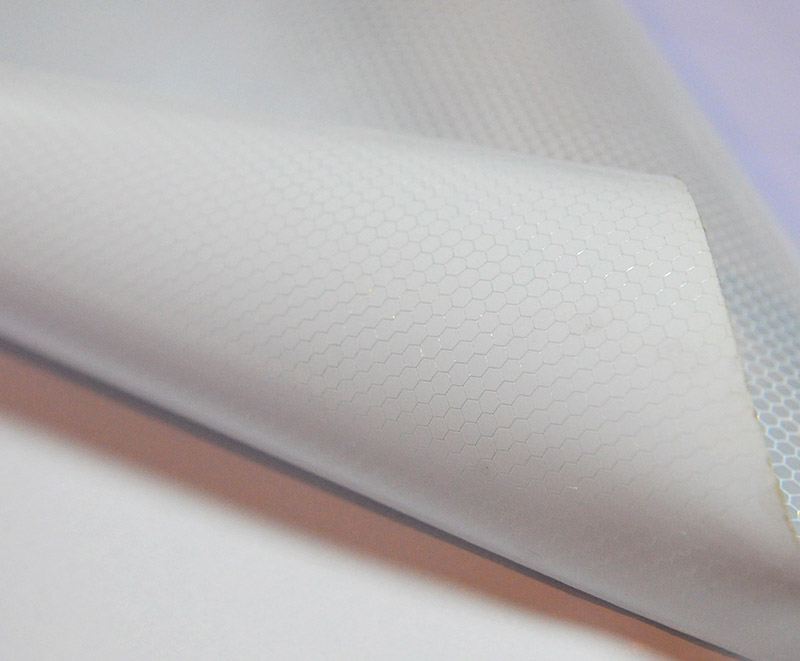 Reflective Banner Flex For Outdoor Advertisement Sign
-
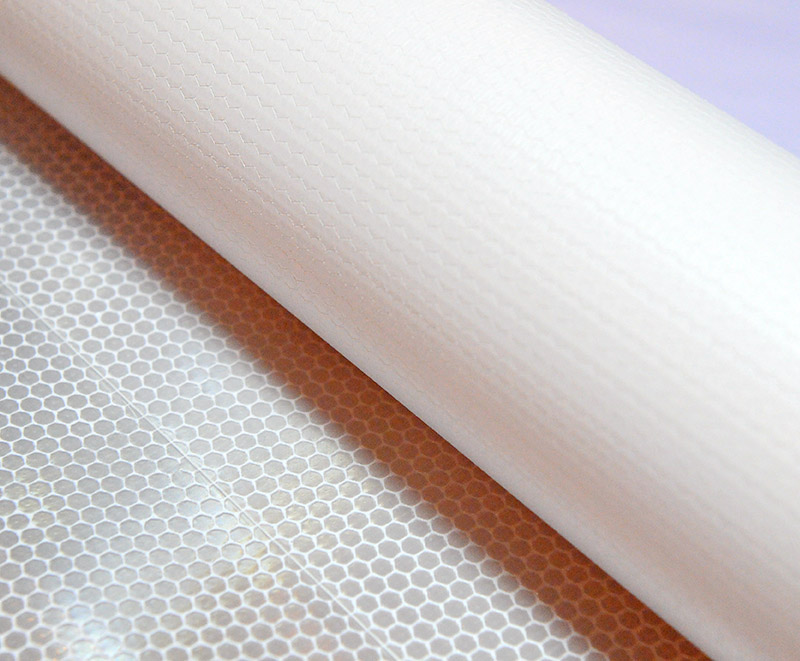 Printable Reflective Banner Vinyl Roll Material
-
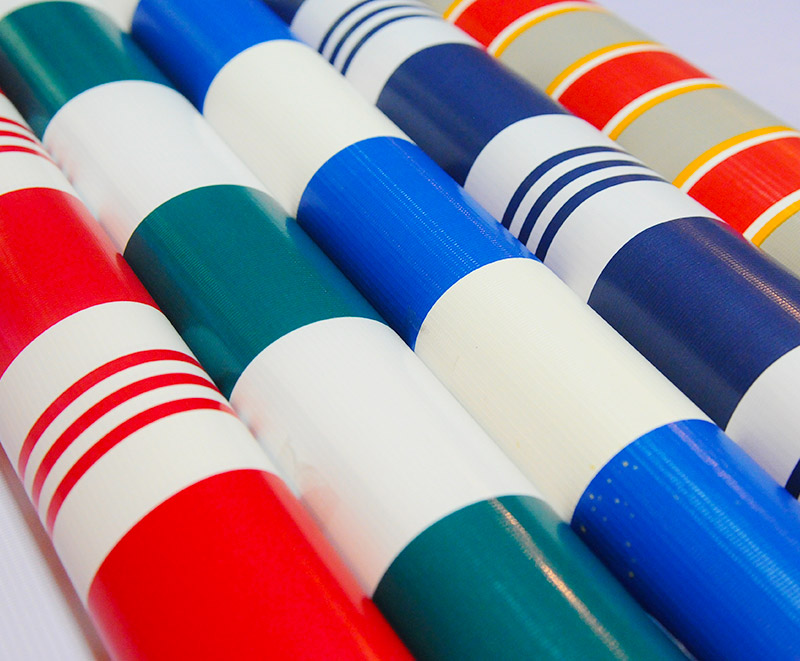 Pe Pvc Stripes Tarpaulin Roll Fabric Material
-
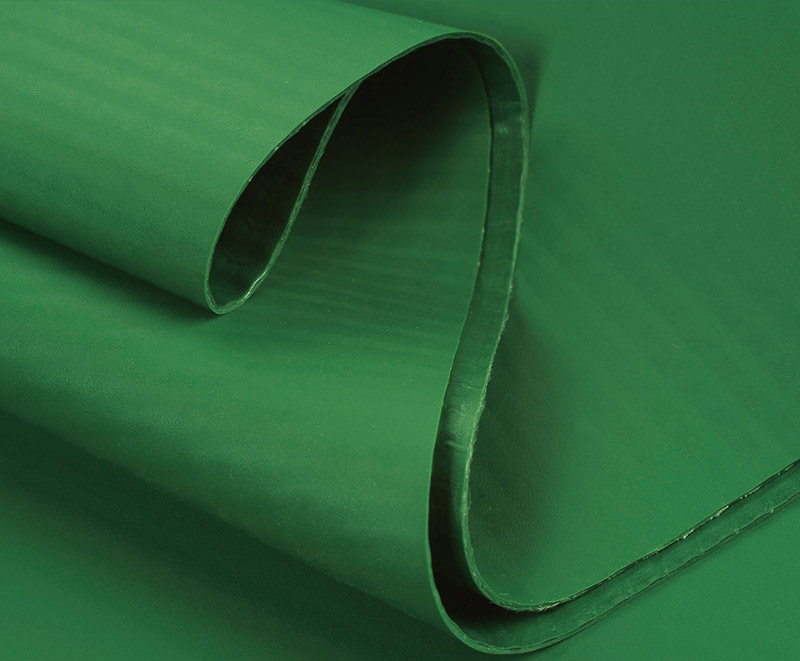 840d 1000d 1300d 1.02-3.20m Pvc Laminated Tarpaulin Fabric
-
 Rigid PVC Super Clear Stretch Film
-
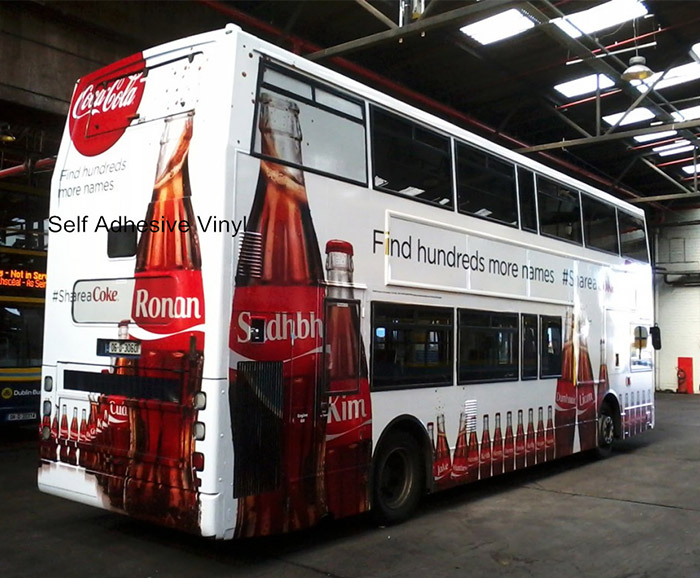 Digital Printing Vinyl
-
 One Way Vision Vinyl Film Sticker
-
 White Transparent Black Grey Self Adhesive Printable Vinyl
-
 Heavy Duty Pvc Coated Tarpaulin Fabric
-
 Pvc Coated Tarpaulin Fabric For Truck Cover/tent/boat
-
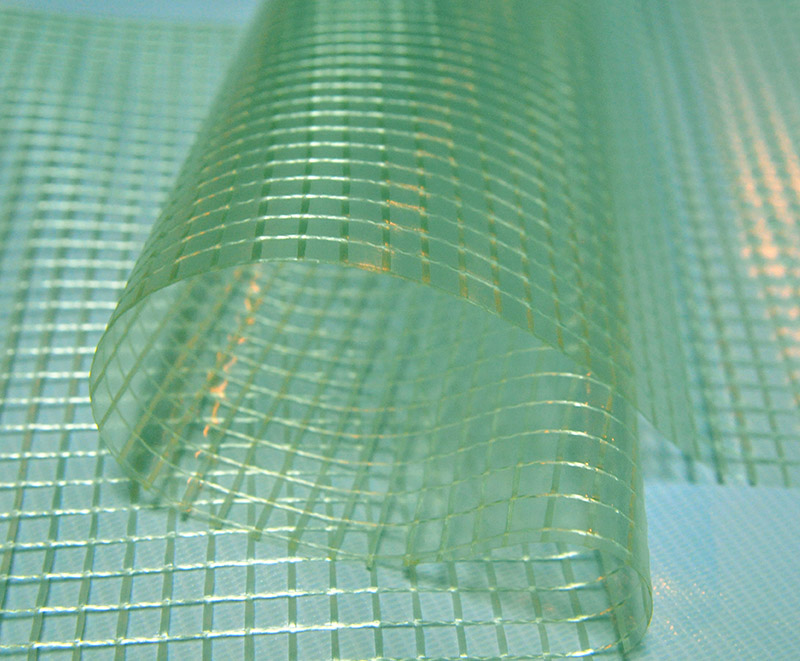 Green White Transparent Clear Poly Pvc Laminated Mesh Tarp
-
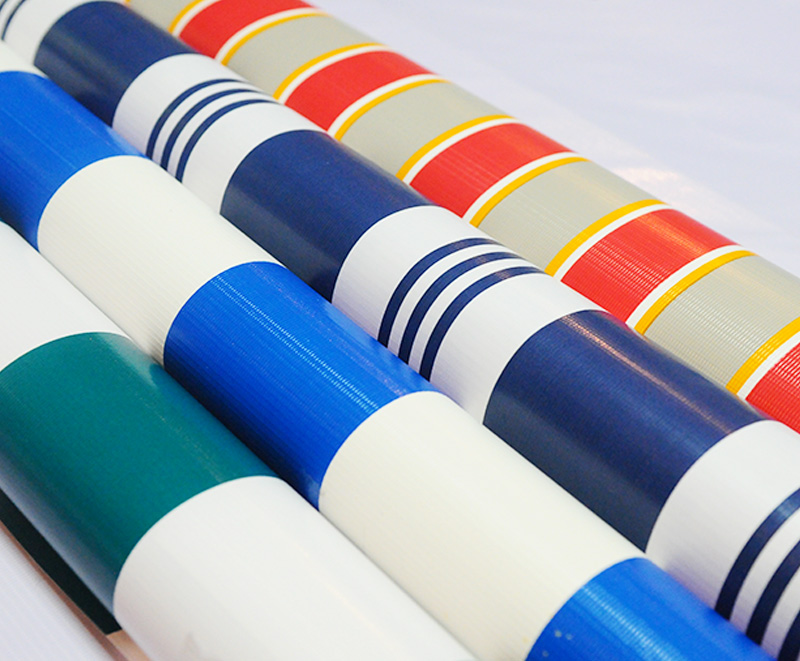 Colorful Printing Striped Tarpaulin Fabric Roll
-
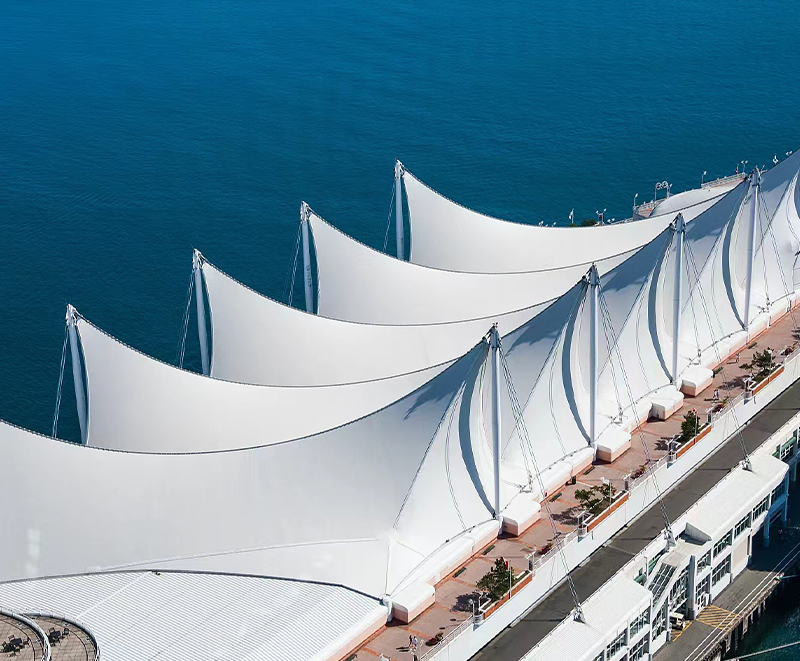 Knife-coated Membrane Material
-
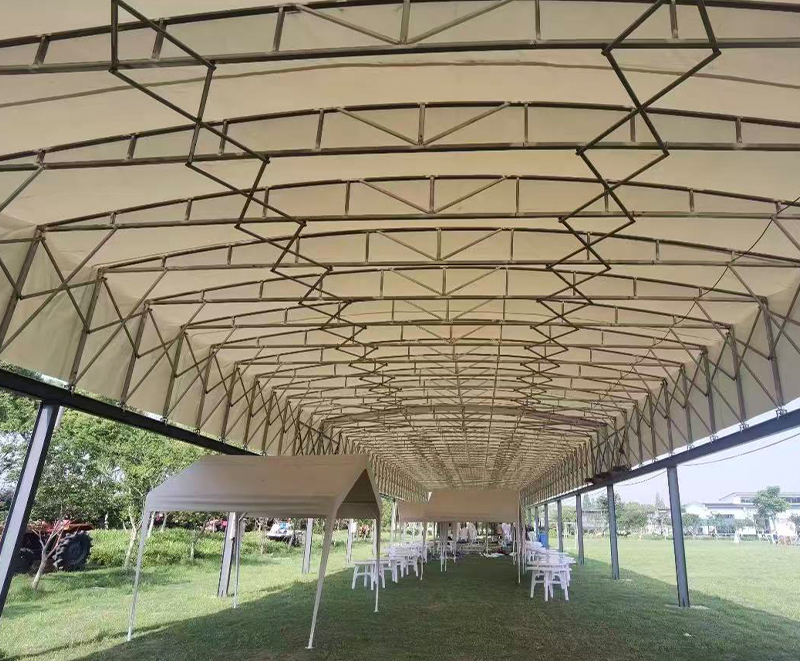 Knife-coated Retractable awnings
-
 Industrial-Grade covering tarpaulin
-
 PVC Truck tarpaulin
 +86-573-88890126
 adam@ml-holding.cn
 No. 28, Shuguang Road, Tudian Town, Tongxiang City, Zhejiang Province, 314503, China
Copyright © Zhejiang Minglong New Material Technology Co., Ltd. All rights reserved.
