 English
How Heavy Duty PVC Tarps Help Protect Your Equipment from the Elements
Why Equipment Exposure Is a Bigger Problem Than Most Owners Realize
Machinery, vehicles, and stored materials left outdoors face a constant combination of moisture, ultraviolet radiation, temperature swings, and airborne debris. Even short-term exposure can accelerate corrosion on metal surfaces, degrade rubber seals, and fade protective coatings. Over a single season, untreated exposure can shorten the usable life of equipment by years, driving up replacement and maintenance costs.
A heavy duty pvc tarp addresses this problem directly by forming a physical barrier between sensitive equipment and the elements. Unlike lightweight fabric covers, PVC-based coverings are engineered for repeated outdoor use, resisting tearing, cracking, and water absorption over extended periods.
Field data from equipment rental operations shows that consistent tarping can reduce surface rust formation by more than half compared to uncovered storage over a six-month outdoor period.
What Makes PVC Tarps Different From Standard Covers
Not all covers are built the same. Vinyl tarps are constructed from a woven polyester or polyethylene core that is coated on both sides with polyvinyl chloride. This lamination process is what separates true industrial tarpaulin from basic polyethylene sheeting sold for casual use.
Core Construction Layers
- Base scrim: a woven fabric grid that provides tensile strength and tear resistance
- PVC coating: applied to both sides to block water and shield the scrim from ultraviolet degradation
- Reinforced edges: hemmed borders with brass or rustproof grommets for secure anchoring
- Seam welding: heat-sealed or radio-frequency welded seams that prevent water infiltration at joints
Why the Coating Matters
The PVC layer is not just a surface treatment. It fills the weave of the base fabric, creating a continuous waterproof membrane. This is the defining feature of a waterproof PVC tarpaulin, as opposed to woven-only fabrics that can wick moisture through capillary action even when treated with a water-repellent finish.
How Layered Protection Works Against Environmental Stress
The diagram below illustrates how each layer of a coated tarpaulin contributes to overall durability.
Why UV Resistance Determines Long Term Performance
Sunlight exposure is often underestimated as a cause of material failure. Ultraviolet radiation breaks down polymer chains over time, leading to brittleness, discoloration, and eventual cracking. This is why material selection matters as much as thickness when choosing a cover for long-term outdoor use.
Signs of UV Degradation to Watch For
| Symptom | Cause | Result if Untreated |
|---|---|---|
| Surface chalking | Breakdown of coating pigment | Reduced water resistance |
| Stiffness or brittleness | Loss of plasticizers in PVC | Cracking at fold lines |
| Color fading | UV breakdown of dye compounds | Weakened outer layer |
| Pinhole tears | Prolonged unshielded exposure | Water infiltration |
A properly formulated UV resistant tarp incorporates stabilizers within the PVC coating itself, slowing this breakdown process significantly compared to uncoated or low-grade covers.
Common Applications Across Industries
Because of their durability, coated tarpaulins are used far beyond simple equipment covering. Understanding typical applications helps clarify what grade of material is appropriate for a given task.
- Construction sites covering lumber, tools, and machinery overnight or during weather delays
- Agricultural operations protecting hay, feed, and equipment from rain and sun
- Transport and logistics securing loads on flatbed trailers
- Industrial storage yards covering pallets, drums, and raw materials
- Event and structure applications such as temporary shelters and truck side curtains
Choosing the Right Weight Class
Tarps are typically rated by weight per square yard, which correlates with thickness and durability. Lighter grades suit occasional light coverage, while heavier grades are built for constant outdoor exposure and mechanical stress such as dragging over rough surfaces or repeated folding.
Understanding Roll Material for Custom Fabrication
For businesses that fabricate their own covers, curtains, or liners, buying a PVC coated tarpaulin roll offers flexibility that pre-made tarps cannot. Rolls allow custom sizing, seam placement, and grommet positioning tailored to specific equipment dimensions.
When selecting roll material, confirm the coating weight, scrim denier, and finished width, since these specifications directly affect tear strength and the maximum practical panel size before seaming is required.
Heavy Duty PVC Tarp Versus Other Cover Materials
| Material | Water Resistance | UV Durability | Typical Lifespan |
|---|---|---|---|
| Polyethylene sheeting | Moderate | Low | 1 to 2 seasons |
| Canvas cotton duck | Low unless treated | Moderate | 2 to 4 seasons |
| Standard vinyl tarp | High | Moderate to high | 3 to 5 seasons |
| Heavy duty PVC tarp | Very high | High | 5 to 8 seasons |
This comparison is generalized and actual lifespan varies with climate, handling, and storage practices between uses.
Maintenance Practices That Extend Service Life
Even the most durable heavy duty pvc tarp benefits from basic upkeep. Proper handling prevents premature wear and preserves waterproofing performance over years of use.
Recommended Care Steps
- Rinse off dirt and debris regularly to prevent abrasive buildup on the coating surface
- Allow the tarp to fully dry before folding to avoid mildew growth between layers
- Avoid dragging the material across sharp or rough surfaces during setup and removal
- Store rolled rather than folded when possible to reduce stress on crease lines
- Inspect grommets and seams periodically for early signs of wear
How to Select the Right Tarpaulin for Your Application
Choosing correctly starts with identifying the primary stress the material will face. A cover exposed to constant sun requires stronger UV stabilization, while one used for load securing during transport needs higher tensile and tear strength.
Key Questions to Ask Before Purchasing
| Consideration | Why It Matters |
|---|---|
| Expected duration of outdoor exposure | Determines required UV stabilization level |
| Coating weight per square yard | Correlates with puncture and tear resistance |
| Grommet spacing and placement | Affects how securely it can be anchored |
| Climate extremes in the region | Impacts material flexibility in cold or heat |
| Frequency of handling | Influences how much abrasion resistance is needed |
Frequently Asked Questions
Q1: How long does a heavy duty PVC tarp typically last outdoors?
With proper care, a well-constructed coated tarpaulin can last five to eight seasons of regular outdoor exposure, though actual lifespan depends on climate severity and handling practices.
Q2: Can these tarps be repaired if they develop small tears?
Minor punctures or seam separations can often be patched using PVC repair tape or heat-welded patches, extending usable life significantly before full replacement is needed.
Q3: Are PVC tarps safe to use in extreme cold temperatures?
Standard formulations can become stiffer in cold conditions. Materials intended for cold climates typically include additional plasticizers to maintain flexibility at low temperatures.
Q4: What is the difference between coated and laminated tarpaulins?
Coated tarpaulins have PVC applied directly into and over the woven scrim, while laminated versions bond a separate film layer to the fabric. Coated construction generally offers stronger seam bonding.
Q5: How do I know what size roll to order for custom fabrication?
Measure the equipment or structure requiring coverage, add allowance for hems and overlap, then compare against standard roll widths to minimize seaming and material waste.
-
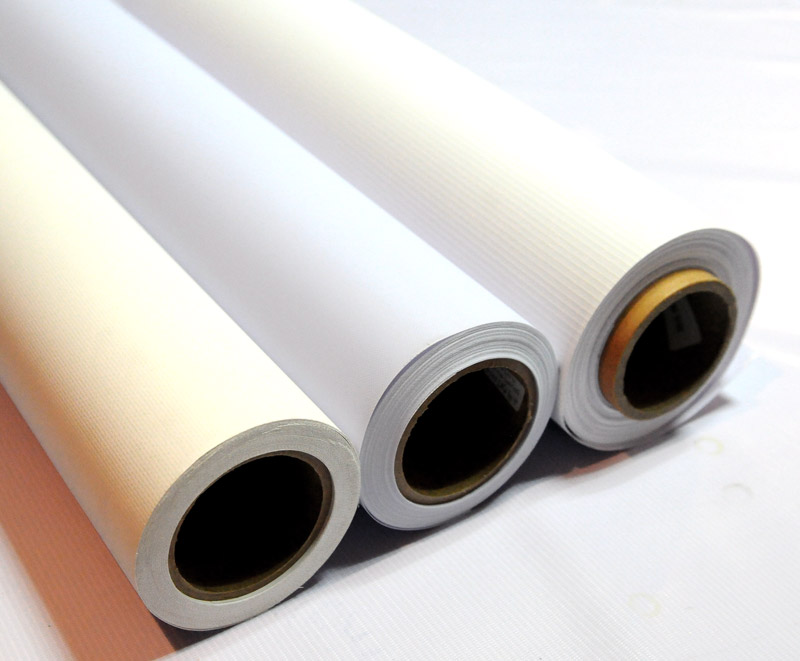 Hot/Cold Laminated Frontlit & Backlit Flex Banner
-
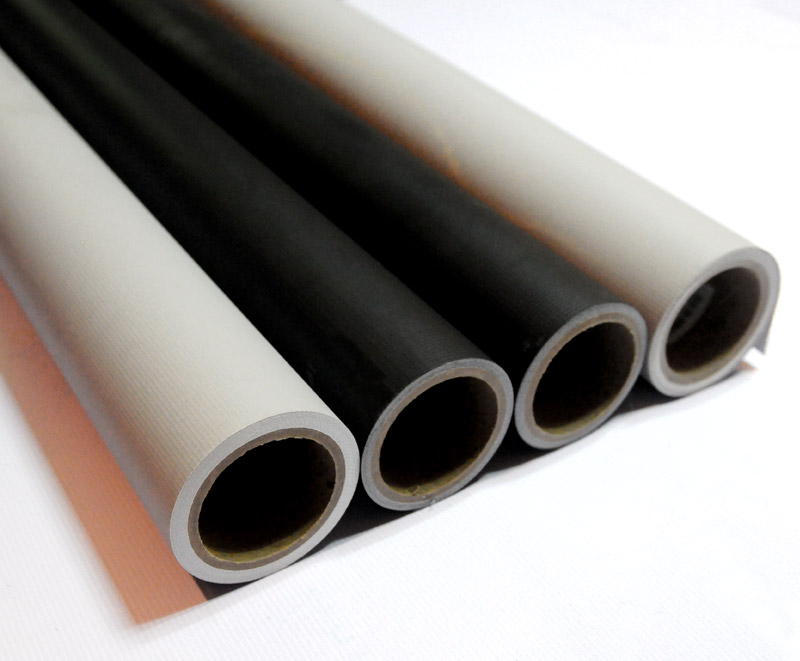 Pvc Blockout Flex Banner Roll Material
-
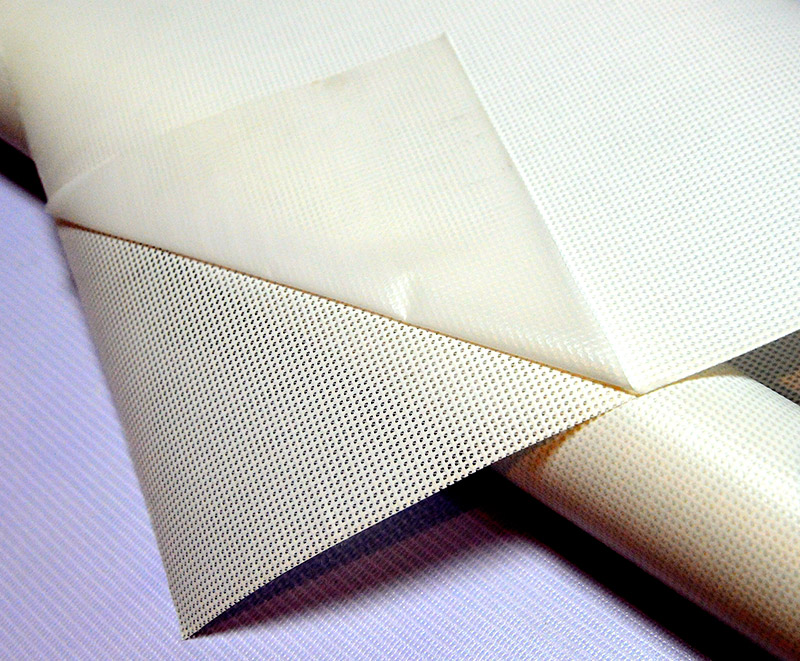 Pvc Liner Mesh Banner Material Roll
-
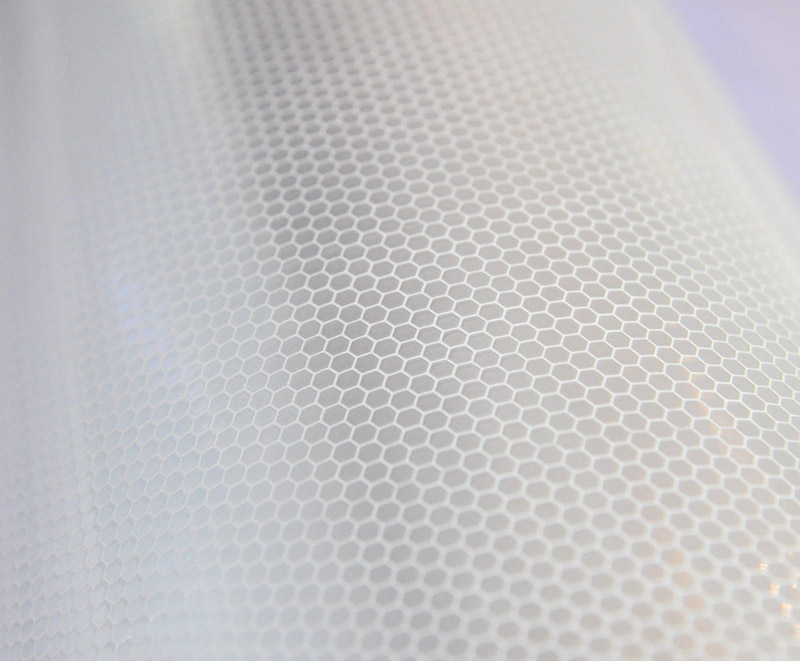 White Reflective Honeycomb Vinyl Sticker Materials
-
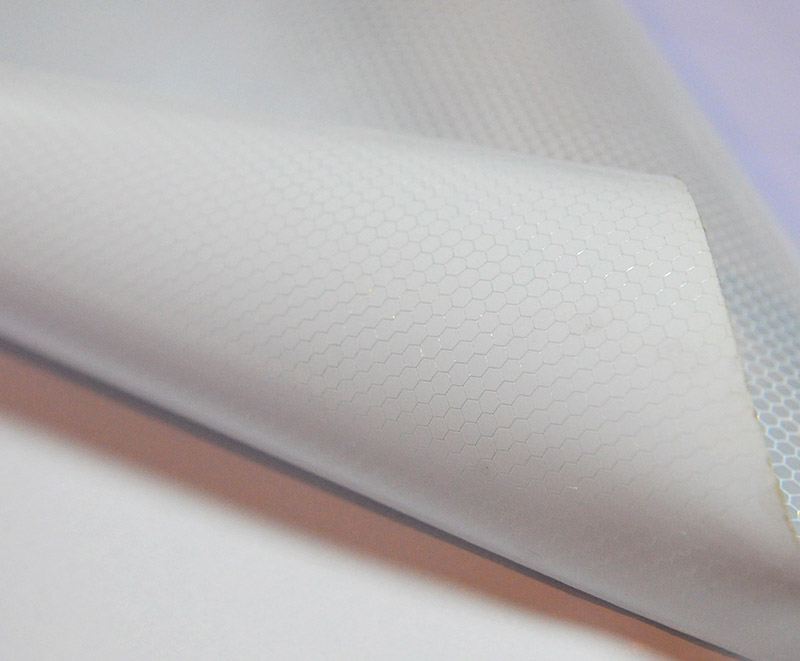 Reflective Banner Flex For Outdoor Advertisement Sign
-
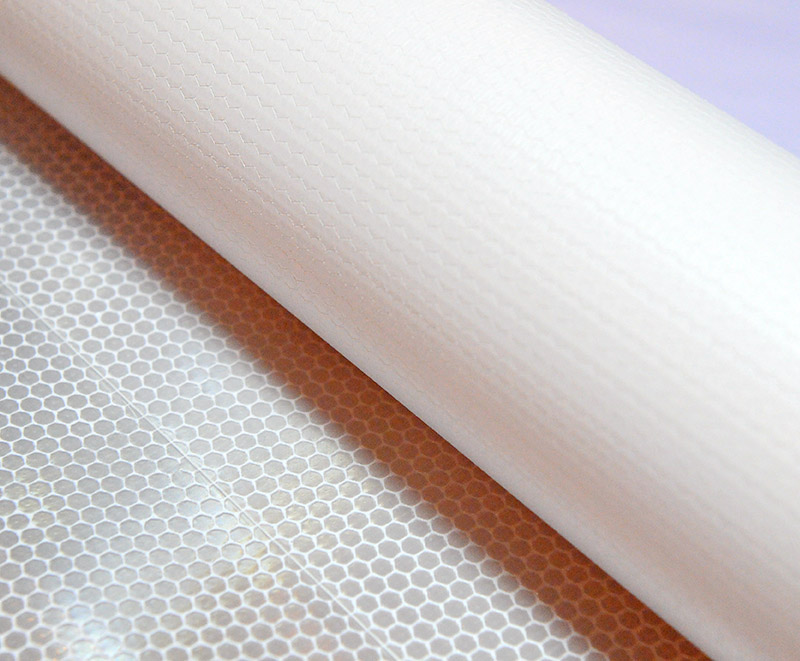 Printable Reflective Banner Vinyl Roll Material
-
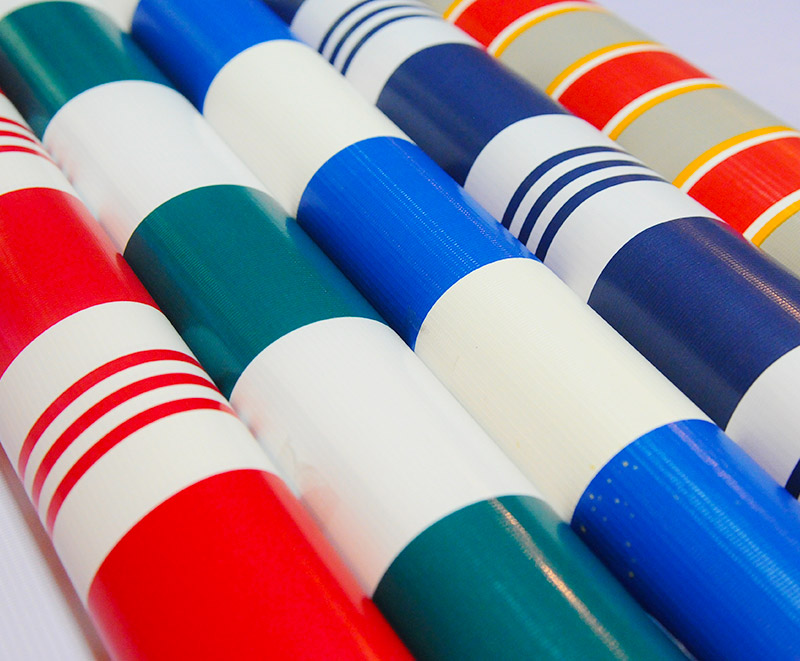 Pe Pvc Stripes Tarpaulin Roll Fabric Material
-
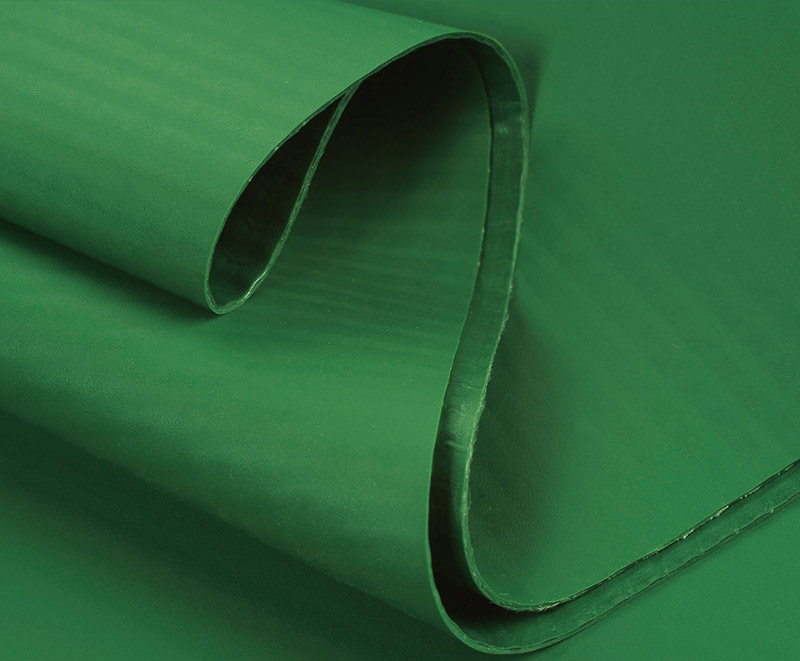 840d 1000d 1300d 1.02-3.20m Pvc Laminated Tarpaulin Fabric
-
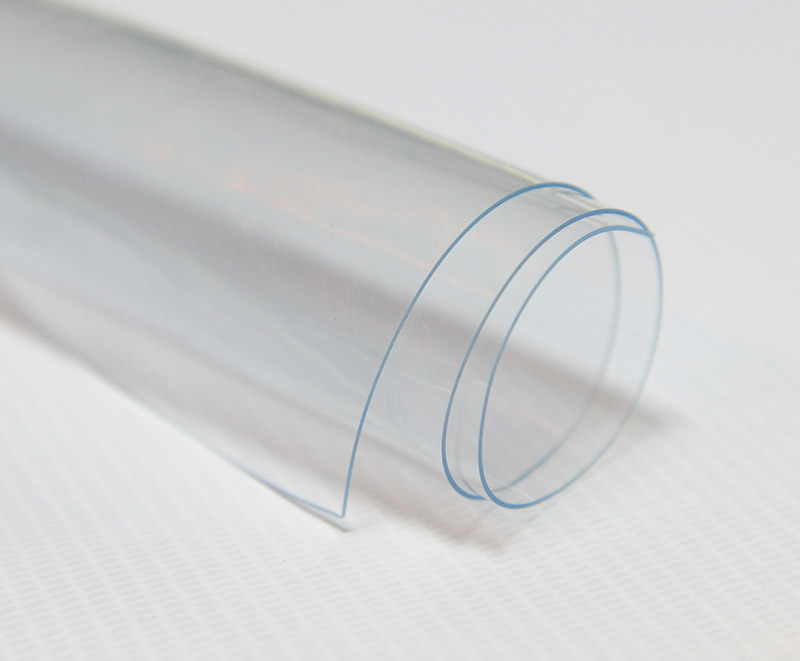 Rigid PVC Super Clear Stretch Film
-
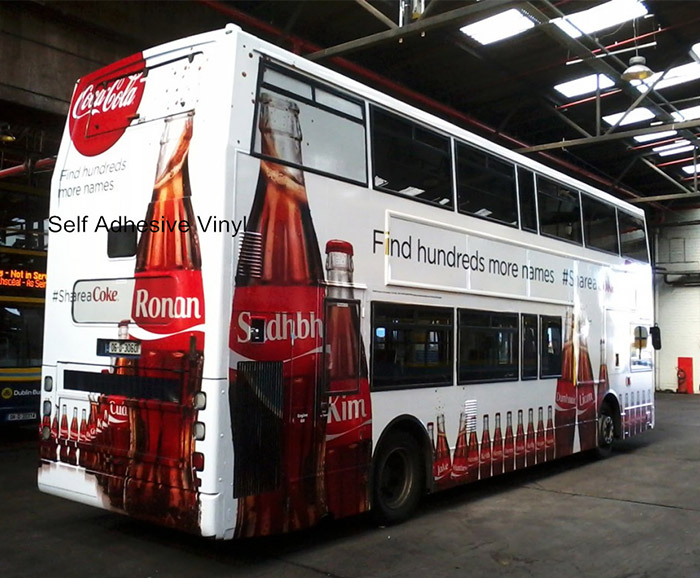 Digital Printing Vinyl
-
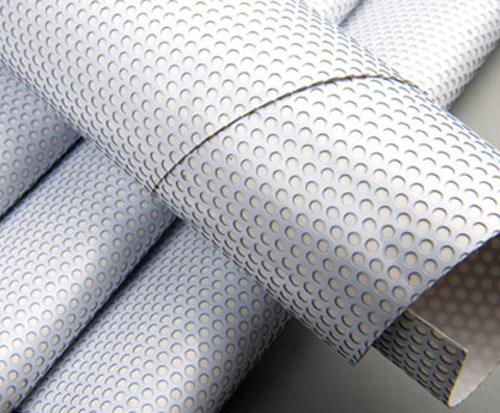 One Way Vision Vinyl Film Sticker
-
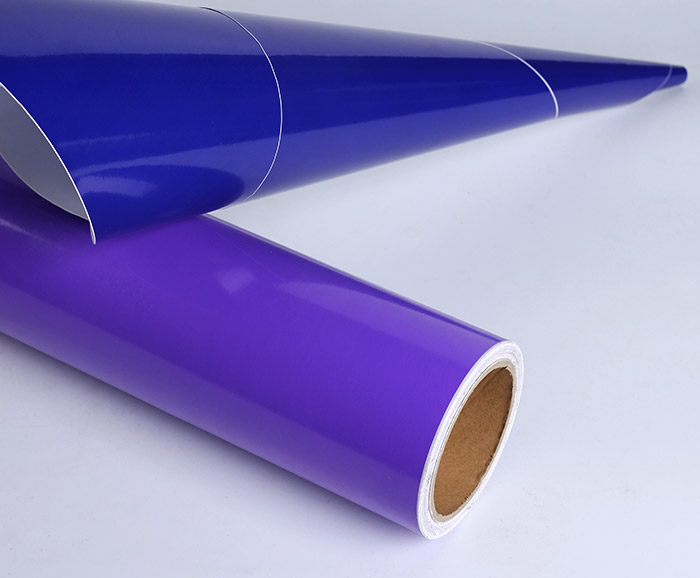 White Transparent Black Grey Self Adhesive Printable Vinyl
-
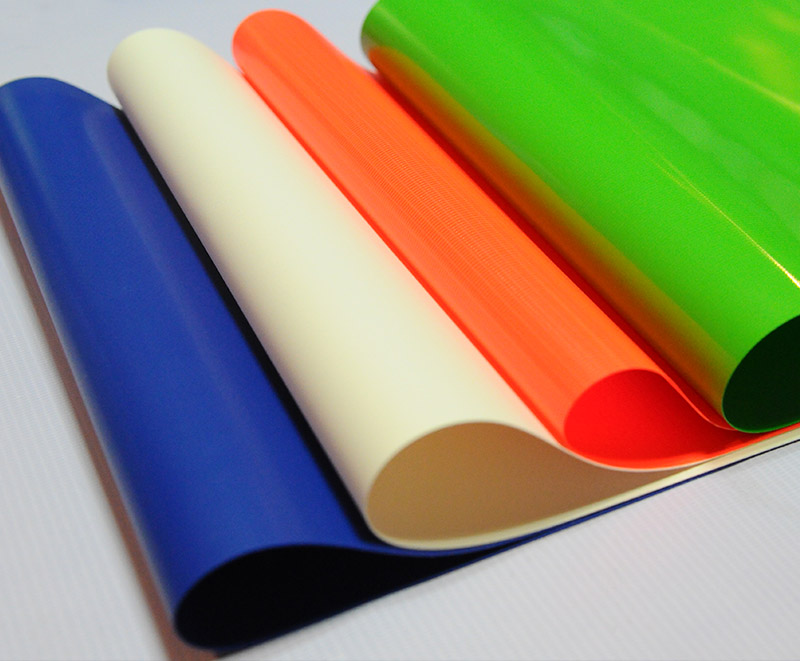 Heavy Duty Pvc Coated Tarpaulin Fabric
-
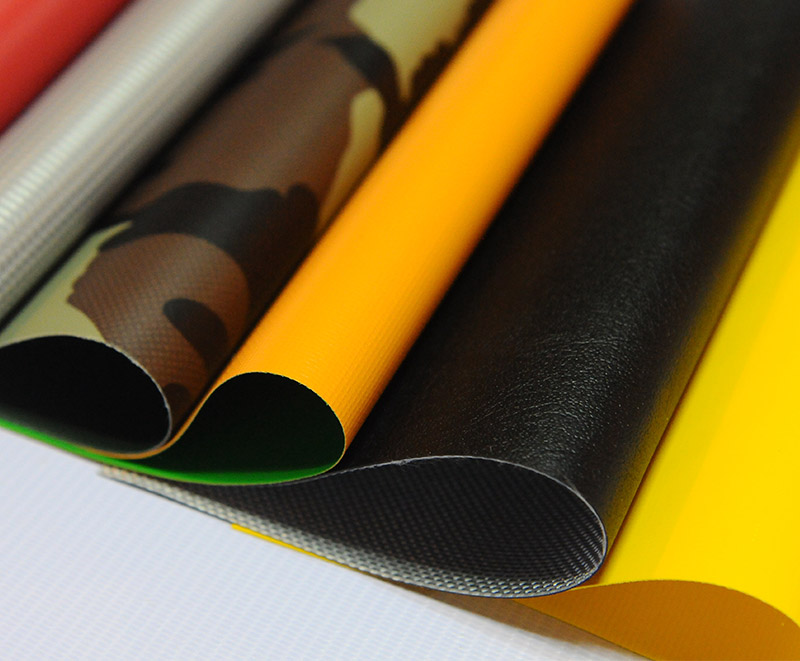 Pvc Coated Tarpaulin Fabric For Truck Cover/tent/boat
-
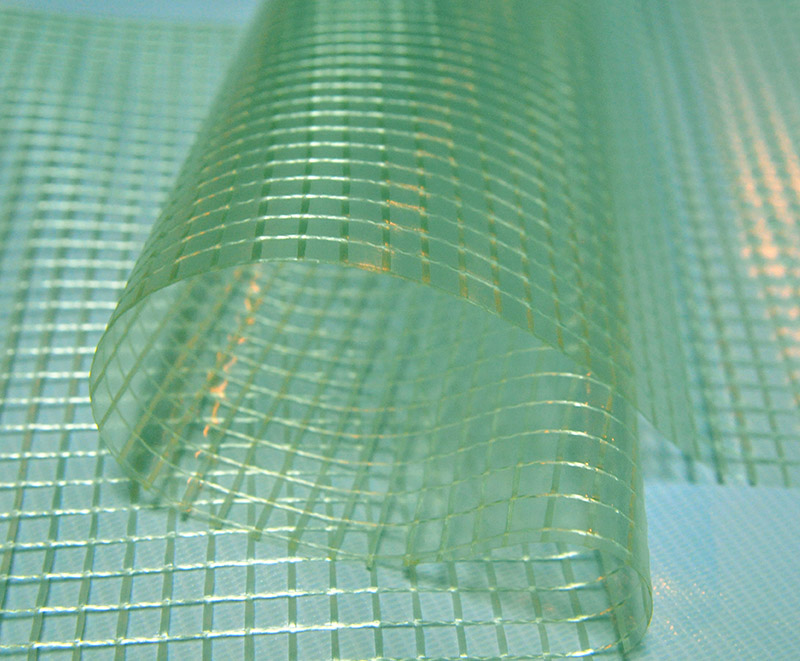 Green White Transparent Clear Poly Pvc Laminated Mesh Tarp
-
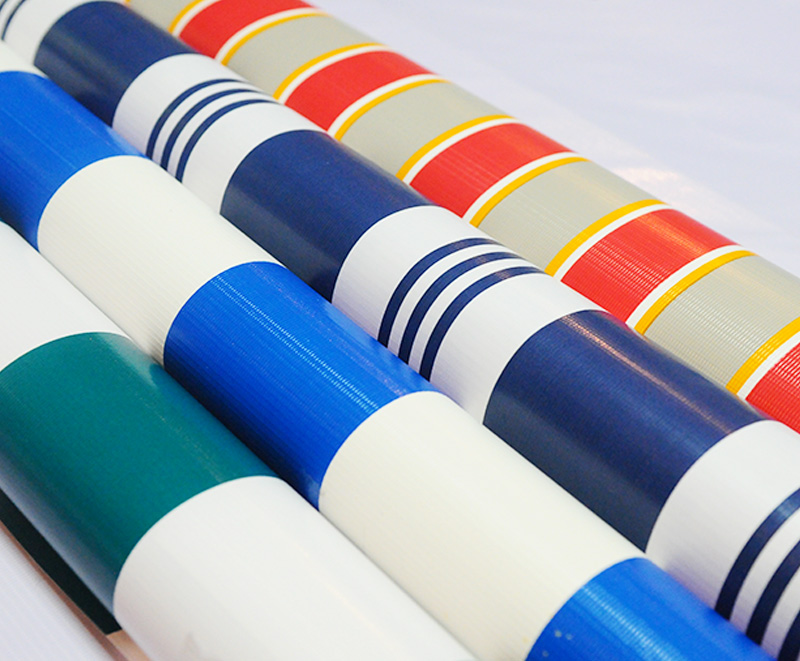 Colorful Printing Striped Tarpaulin Fabric Roll
-
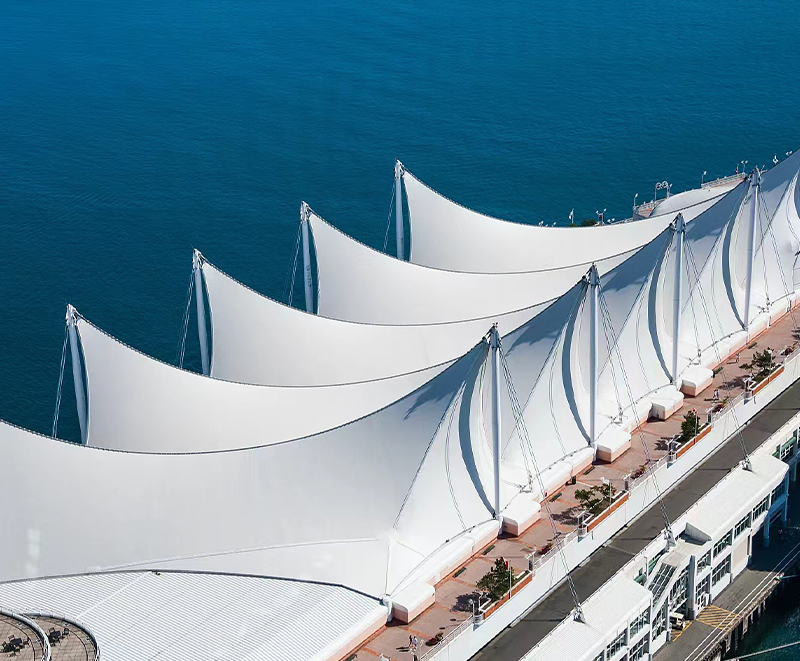 Knife-coated Membrane Material
-
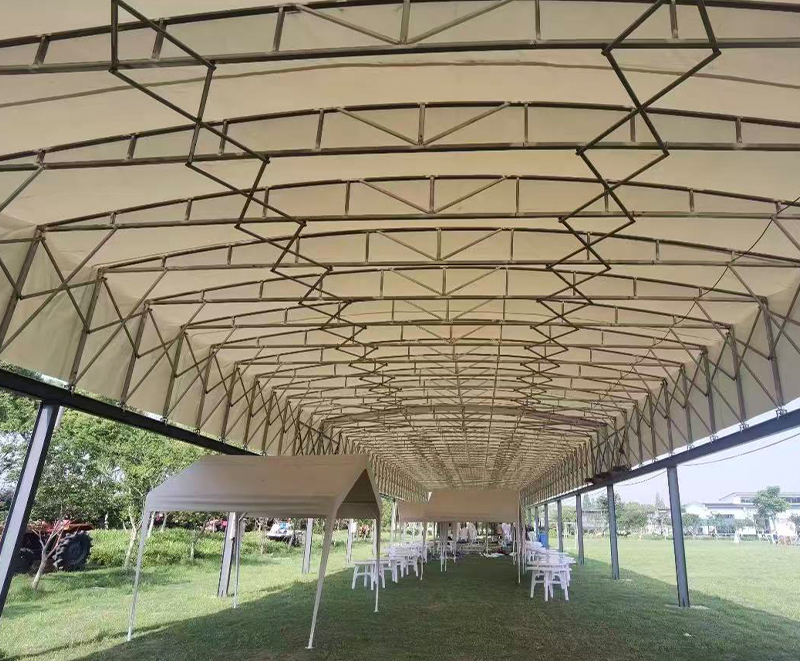 Knife-coated Retractable awnings
-
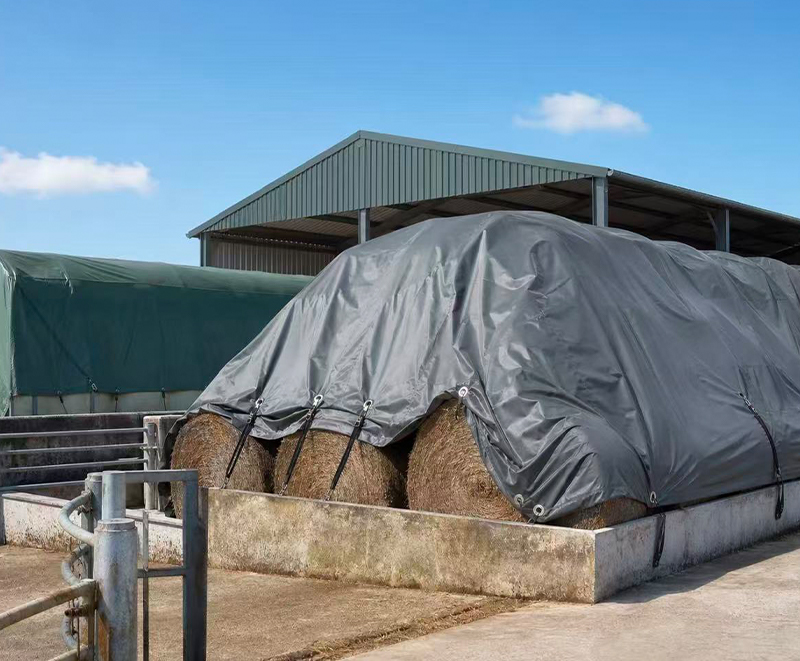 Industrial-Grade covering tarpaulin
-
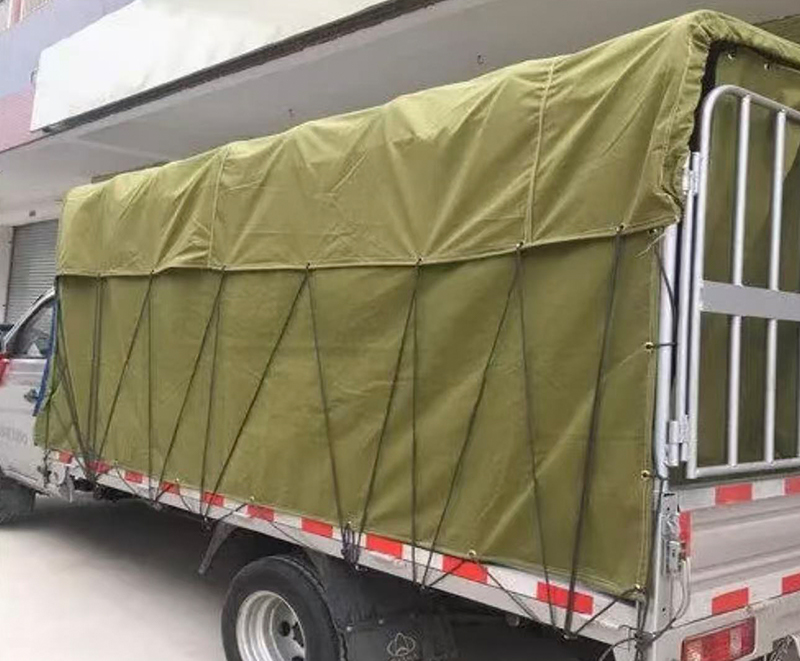 PVC Truck tarpaulin
 +86-573-88890126
 adam@ml-holding.cn
 No. 28, Shuguang Road, Tudian Town, Tongxiang City, Zhejiang Province, 314503, China
Copyright © Zhejiang Minglong New Material Technology Co., Ltd. All rights reserved.
