 English

02/22/2024
Does the durability of a Coated Tarpaulin Fabric depend on the quality and thickness of the coating and the overall structure of the fabric?
Yes, the durability of a Coated Tarpaulin Fabric relies upon on various factors along with the pleasant and thickness of the coating, as well as the general structure of the cloth.
Coated tarpaulin fabric are normally used for out of doors packages because of their ability to offer protection against factors inclusive of water, UV radiation, and mildew. The coating plays a critical role in enhancing the material's sturdiness and overall performance in these conditions.
The nice of the coating can appreciably have an effect on the overall sturdiness of the tarpaulin fabric. A fantastic coating will usually be proof against put on and tear, ensuring that the fabric can face up to harsh environmental conditions over an extended period. On the other hand, a low-first-rate coating can be vulnerable to cracking, peeling, or deteriorating, compromising the cloth's sturdiness.
In addition to the high-quality of the coating, the thickness of the coating layer is likewise important. A thicker coating can offer higher protection and durability compared to a thinner one. This is because a thick coating gives greater resistance to abrasion and publicity to external elements. It forms a strong barrier among the material and the elements, lowering the possibilities of damage or degradation.
The standard structure of the fabric additionally contributes to its durability. The base fabric utilized in tarpaulin production may be made from numerous substances such as polyester, polyethylene, or canvas. The desire of the fabric cloth will depend on the supposed use, as every material has its own set of properties and overall performance characteristics.
Polyester is a commonly used cloth for tarpaulin material due its outstanding strength and sturdiness. It is resistant to ripping, stretching, and UV radiation, making it appropriate for heavy-duty applications. Polyethylene, then again, is light-weight and bendy, which may be fine for certain applications where portability is important. Canvas, although no longer as not unusual nowadays, remains used for positive applications that require a extra herbal and breathable material.
The weave or construction of the cloth additionally influences its sturdiness. Fabrics with a decent weave are normally stronger and more durable as compared to those with a looser weave. The tight weave offers higher resistance to abrasion and tearing, making sure that the tarpaulin material can withstand difficult dealing with or harsh outside conditions.
Moreover, the presence of reinforcing elements in the fabric structure can enhance its durability. Tarpaulin fabric may include extra layers or features along with scrim or mesh embedded within the fabric. These reinforcements provide extra strength and stability, preventing the cloth from stretching or tearing under stress.
In end, the durability of a lined tarpaulin cloth relies upon at the first-rate and thickness of the coating, as well as the overall shape of the cloth. A exceptional coating, ideally thick, enhances the's resistance to wear, tear, and degradation due to publicity to diverse environmental factors. The preference of base cloth fabric, production, and the presence of reinforcements additionally contribute to the general durability of the tarpaulin fabric. Therefore, it's miles important to keep in mind those factors whilst choosing or comparing the durability of a covered tarpaulin cloth for a selected utility.
Related Products
-
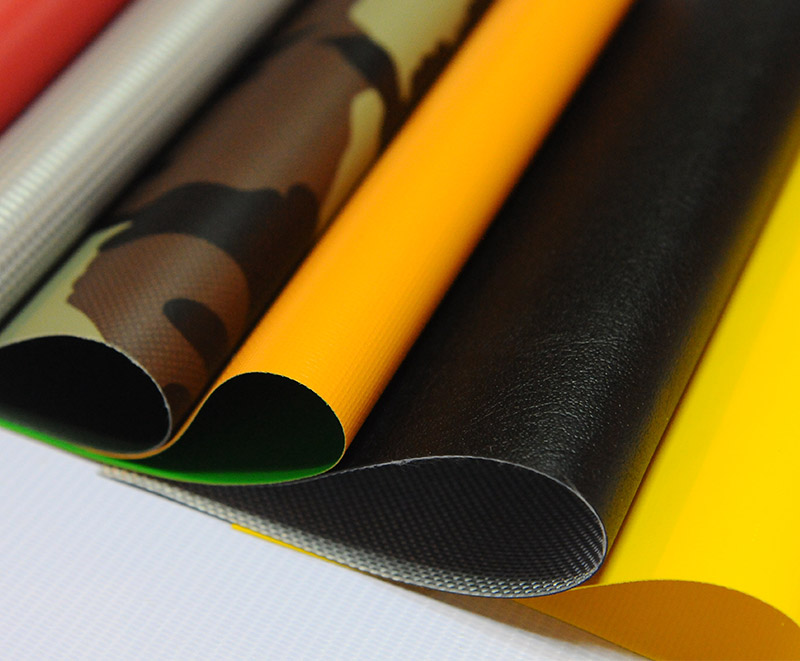 Pvc Coated Tarpaulin Fabric For Truck Cover/tent/boat
-
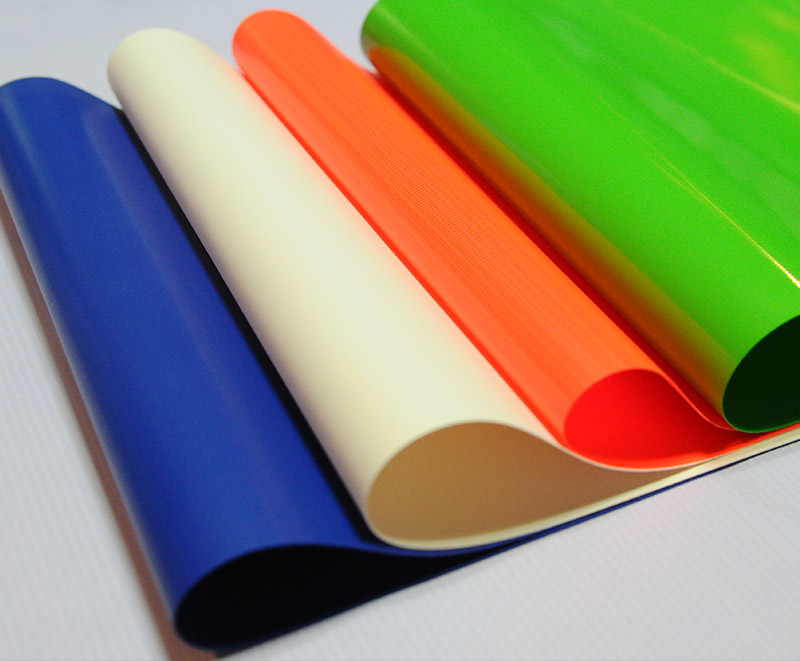 Heavy Duty Pvc Coated Tarpaulin Fabric
-
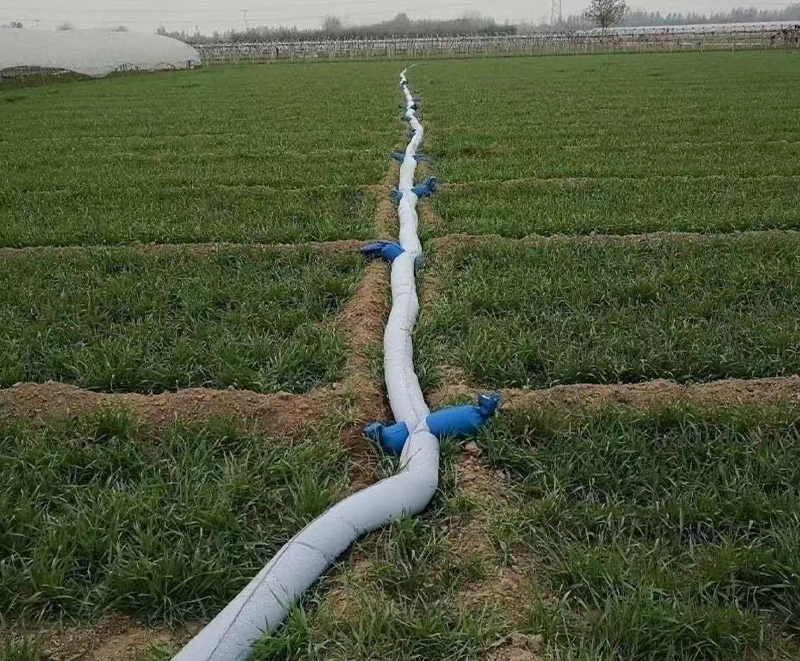 Dedicated Knife-Coated Fabric for Water Hoses
-
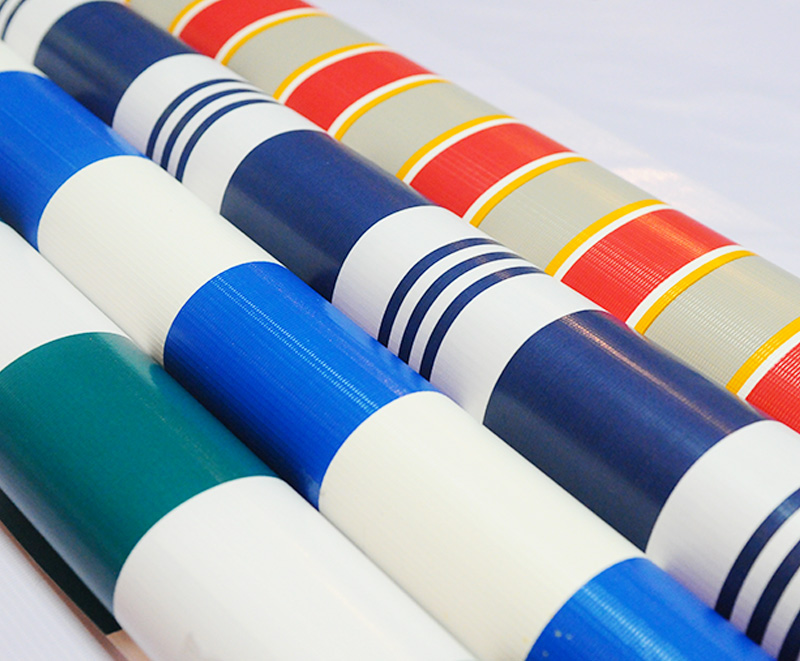 Colorful Printing Striped Tarpaulin Fabric Roll
-
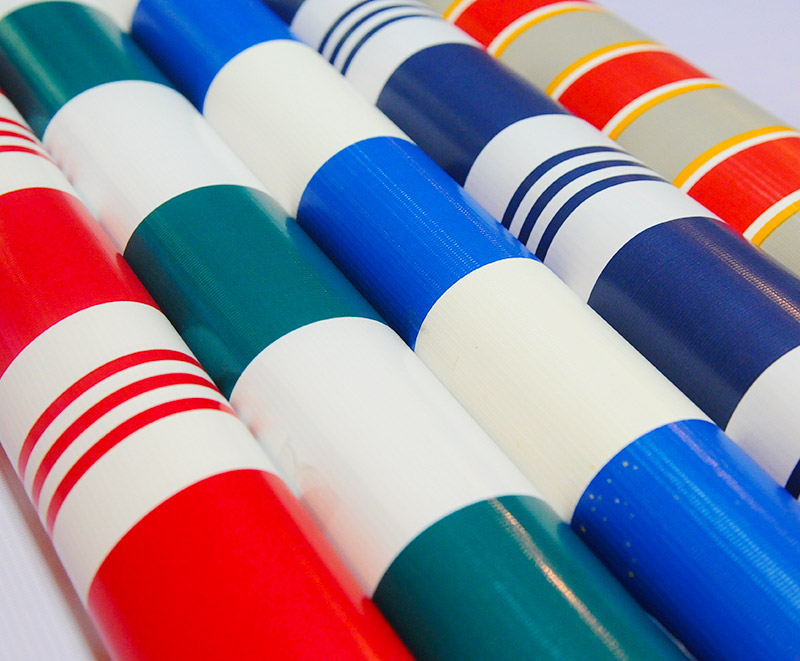 Pe Pvc Stripes Tarpaulin Roll Fabric Material
Related News
- One of the most common applications for PVC tarpaulins is the construction site
- What Are the Benefits of Digital Printing?
- Operation steps and precautions of hot melt adhesive composite cloth (fabric)
- Get Surrounded by the World of PVC Film
- What equipment is needed for the entire production line to produce PVC calendered film?
Contact Info
 +86-573-88890126
 adam@ml-holding.cn
 No. 28, Shuguang Road, Tudian Town, Tongxiang City, Zhejiang Province, 314503, China
Quick Links
Product
Mobile qr Code
Copyright © Zhejiang Minglong New Material Technology Co., Ltd. All rights reserved.
Custom Digital Printing Banner Material Manufacturers
