Zhejiang Minglong New Material Technology Co., Ltd. is a China PVC Knife Coating Tarpaulin Fabric manufacturer, established in 2005 in the Economic Development Zone of Tongxiang, Zhejiang. We coat PVC plastisol onto woven polyester base fabric on our coating lines and finish it into rolls for truck side curtains, warehouse and event tents, retractable awnings, water hose reinforcement and industrial covers. Every order is built around a defined coating weight, base fabric construction, roll width, colour and surface treatment rather than a catalogue item shipped from stock.
Why Knife Coating Suits Demanding Tarpaulin Duty
Knife coating spreads a metered PVC paste across the moving base fabric and passes it under a doctor blade that fixes the wet film thickness. Because the coating weight is set by the blade gap rather than by a pre-made film, the PVC penetrates the weave and forms a dense, continuous skin in one pass, with the option of coating one face or both.
- Heavier add-on without adhesive layers — higher coating weights are reached directly on the fabric, which favours abrasion at fold lines and high wear points.
- Uniform thickness across the width — consistent blade geometry keeps coating weight stable from selvedge to selvedge on wide rolls.
- Low air permeability and strong hydrostatic behaviour — the closed PVC skin resists water penetration under head pressure on roofs and covers.
- Controlled surface character — gloss, matte, lacquered and print-receptive finishes are set during coating instead of afterwards.
- Welding-friendly surfaces — knife-coated faces respond consistently to high-frequency and hot-air welding during panel fabrication.
Our PVC Knife Coating Tarpaulin Fabric Range
Six product families sit inside this category, each tuned to a different end construction. They belong to our wider PVC Tarpaulin Material programme and share the same base-fabric and compound discipline.
| Product family |
Construction focus |
Typical end use |
| Knife-Coated Membrane Material |
Dense single or double-side coating on close-weave polyester |
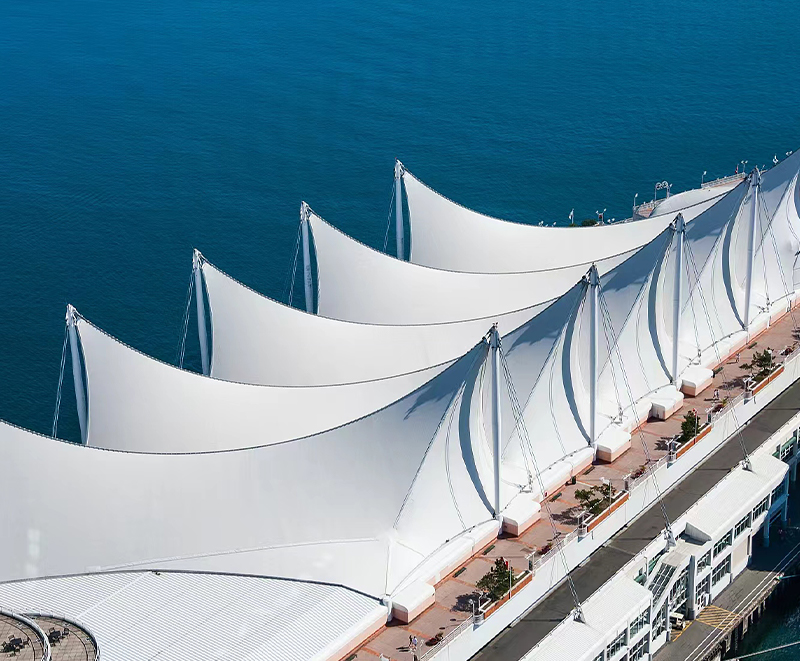
Tensioned membranes, protective sheeting, flexible architectural panels |
| Knife-Coated Retractable Awnings |
Coating balanced for repeated rolling and dimension stability |
Cassette and folding-arm awnings, shopfront shading |
| Industrial-Grade Covering Tarpaulin |
High coating add-on with elevated tear strength |
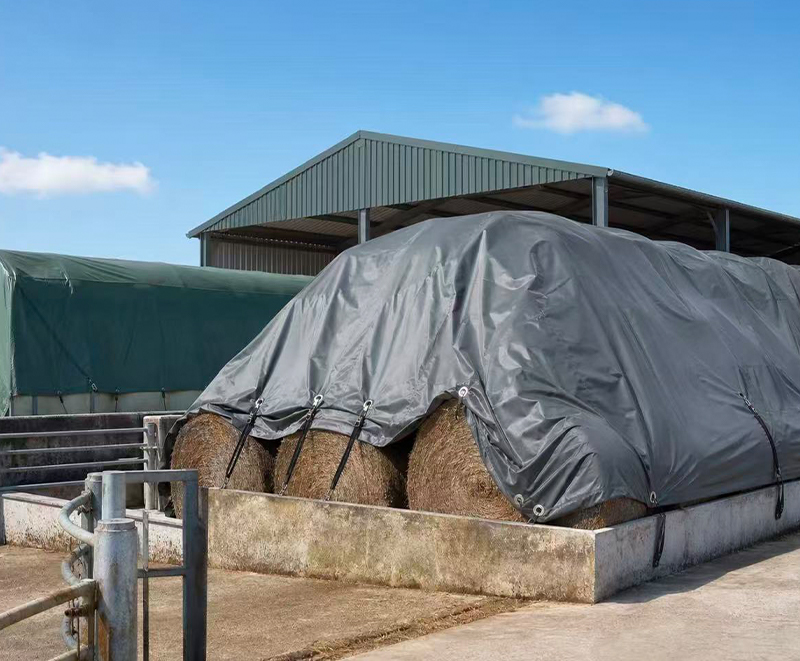
Warehouse screens, machine covers, material protection |
| PVC Truck Tarpaulin |
Cold-flexible compound for curtainsider tracks and eyelets |
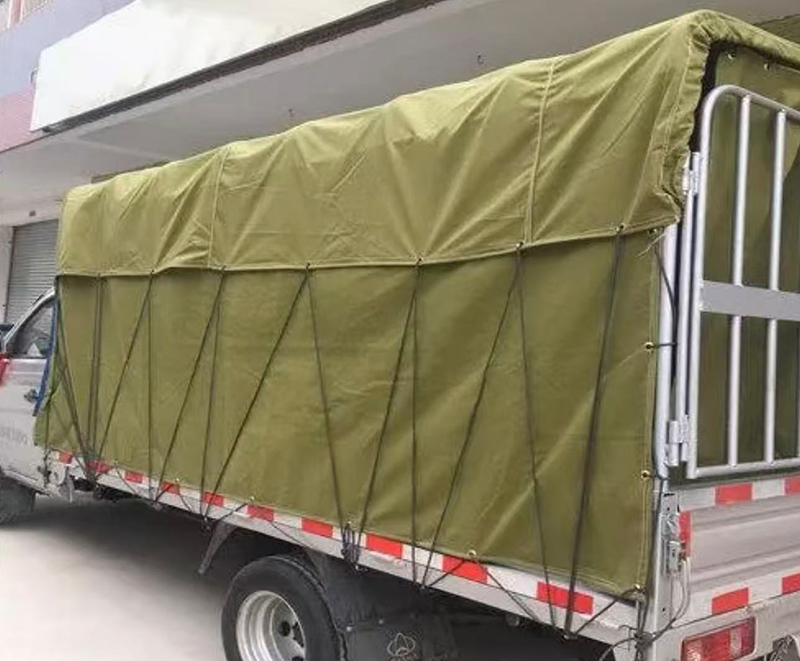
Truck side curtains, trailer covers, flatbed sheeting |
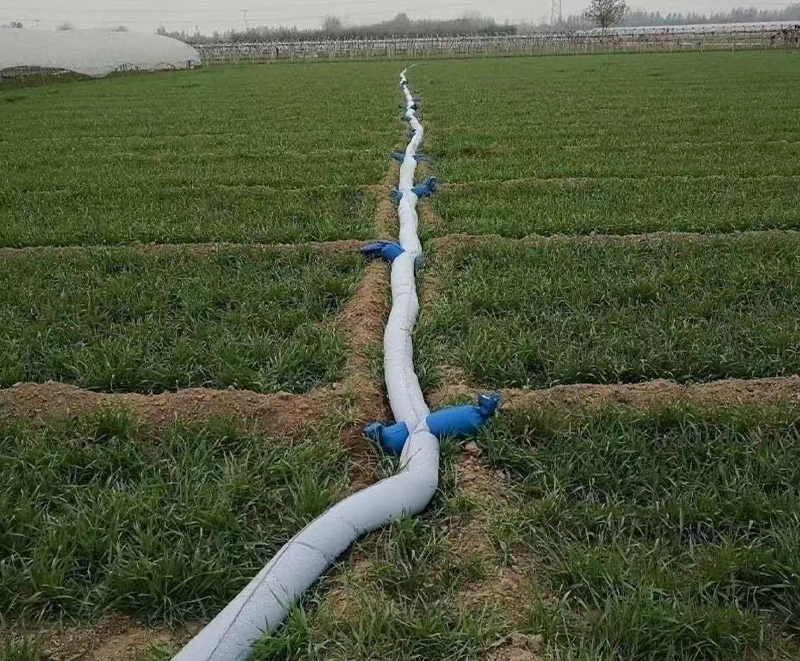
| Dedicated Fabric for Water Hoses |
Adhesion-critical base for hose lining and extrusion |
Lay-flat discharge hoses, irrigation and drainage lines |
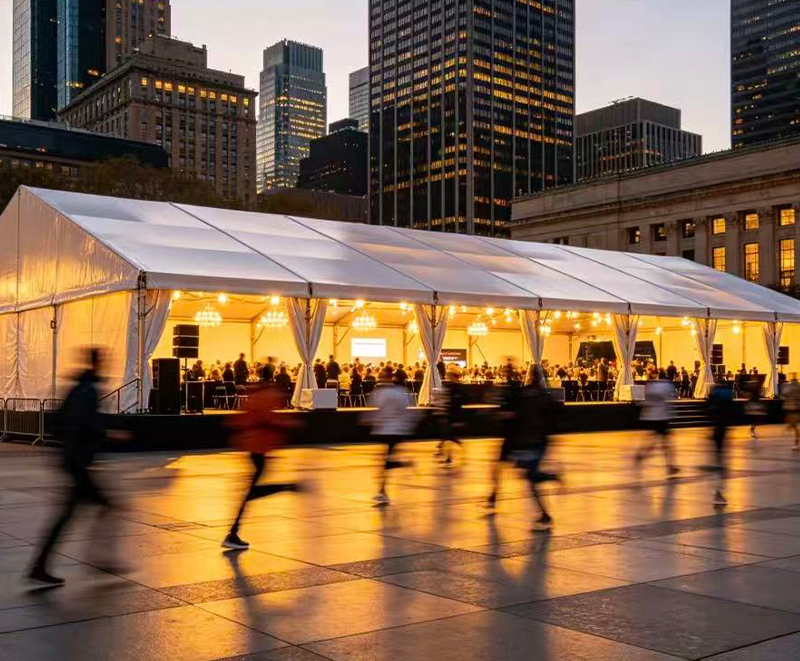
| PVC Outdoor Tent Fabric |
Weather-resistant compound with weldable faces |
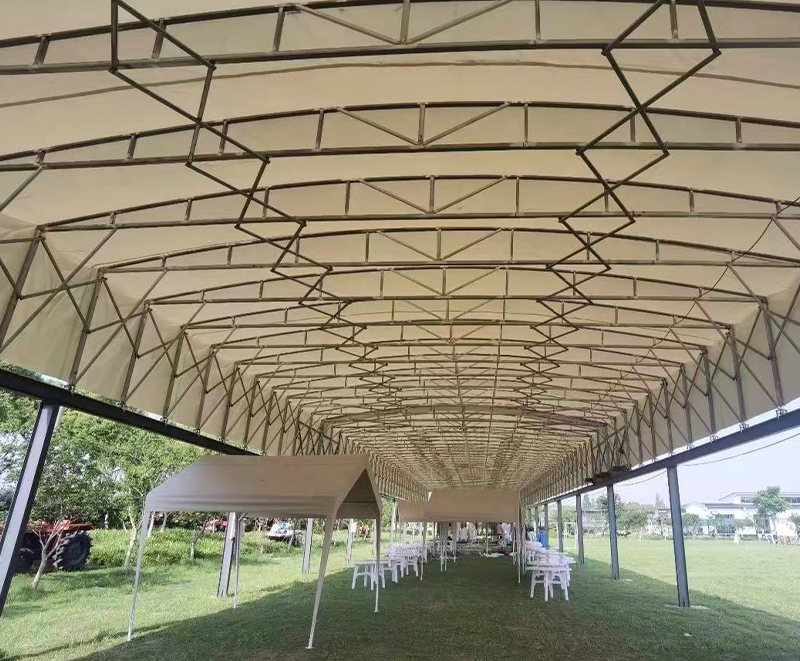
Marquees, storage tents, event structures, temporary halls |
Base Fabric and Compound Decisions
A knife-coated tarpaulin is only as good as the greige fabric beneath it. Yarn count, weave density and fabric strength set the tensile and tear ceiling, while the plastisol formulation controls flexibility, colour and surface behaviour. We build the two together against the working load of the finished panel.
- Base fabric — polyester scrim in plain or basket weave, selected by target tensile, tear and stretch under tension.
- Plasticiser system — tuned for low-temperature flex where covers are rolled and folded in cold weather.
- Colour and opacity — matched to RAL or Pantone references, with blackout or translucent build-up where required.
- Surface finish — gloss, matte, lacquered topcoat or a print-receptive face for signage use.
- Back face treatment — anti-mildew or low-friction backing for stacked and folded storage.
- Coating configuration — one side or two, with the add-on split agreed per face.
Where a project requires resistance to flame, UV exposure or specific restricted substances, that requirement is written into the compound specification and confirmed against the compliance documents issued with the order. Our Coated Tarpaulin Fabric and Laminated Tarpaulin Fabric ranges cover projects where a film-based build is the better fit.
Specifications Confirmed Before Production
| Parameter |
Set against |
Effect on the roll |
| Coating weight per face (g/m²) |
Abrasion, water head and weld load |
Total grammage, stiffness and service life |
| Base fabric construction |
Tensile and tear target of the finished panel |
Strength, elongation and hand feel |
| Roll width |
Panel cutting plan and welding allowance |
Offcut rate and seam count |
| Colour and finish |
Brand reference and print process |
Visual match and ink adhesion |
| Low-temperature flex |
Seasonal climate at the installation site |
Crack resistance when folded and rolled |
| Roll length and splicing |
Cutting table, track feed and handling limit |
Continuous run length and roll handling weight |
Our Production Base and Quality Control
We run vertical integration from sheet rolling through lamination to coating, so the coating line, the calender and the finishing area are under one roof in Tongxiang, close to Shanghai and Ningbo ports. The plant operates Taiwan-made PVC calenders at 4 m and 2.88 m widths, five Taiwan-made laminators, four lamination presses and two new coating machines, supporting annual output of 30,000 tons of PVC film and 85 million square metres of finished fabric.
- IQC — incoming yarn, base fabric and raw material checked before release to the line.
- IPQC — coating weight, width, colour and surface inspected during running production.
- OQC — final roll inspection against the agreed specification before packing.
- Compliance — production controlled to ISO practice and tested against REACH, RoHS and EN71 requirements.
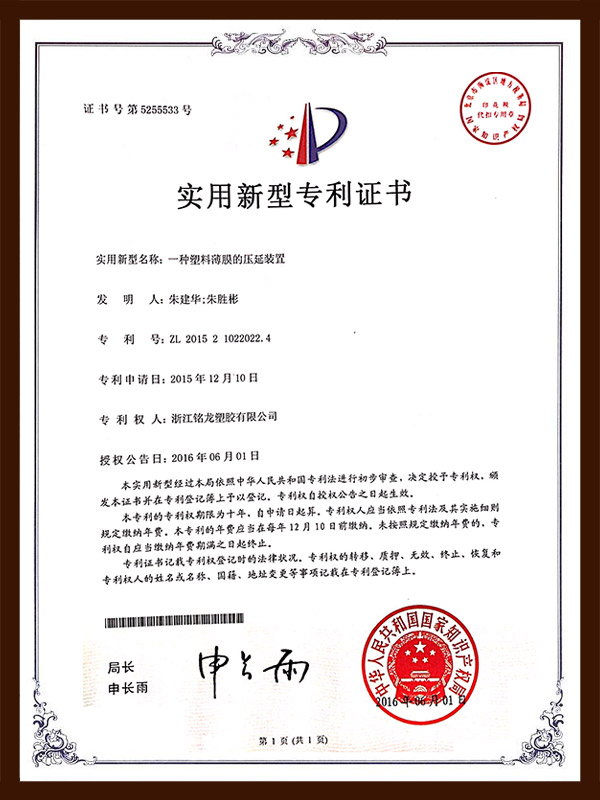
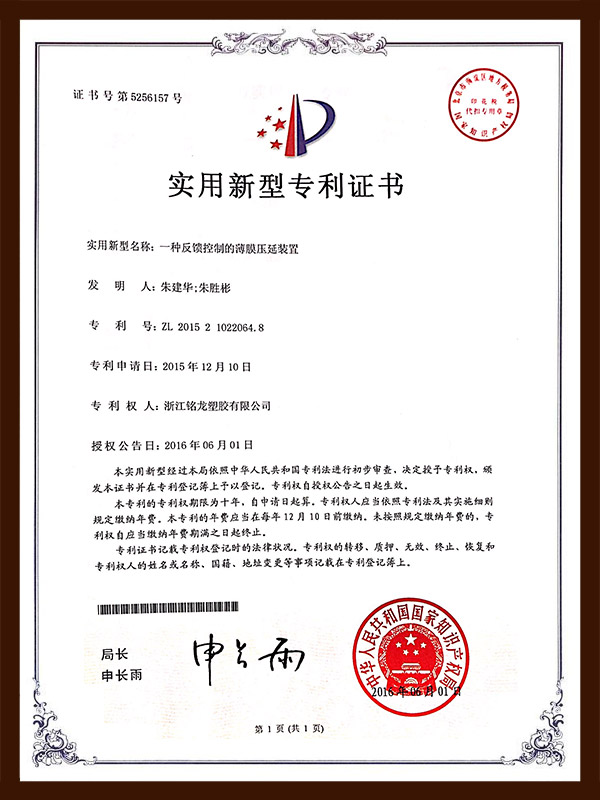
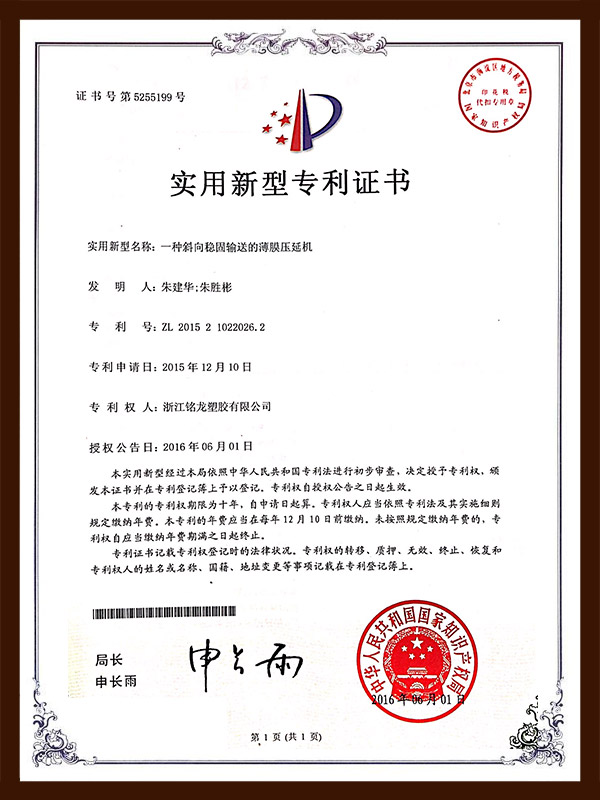
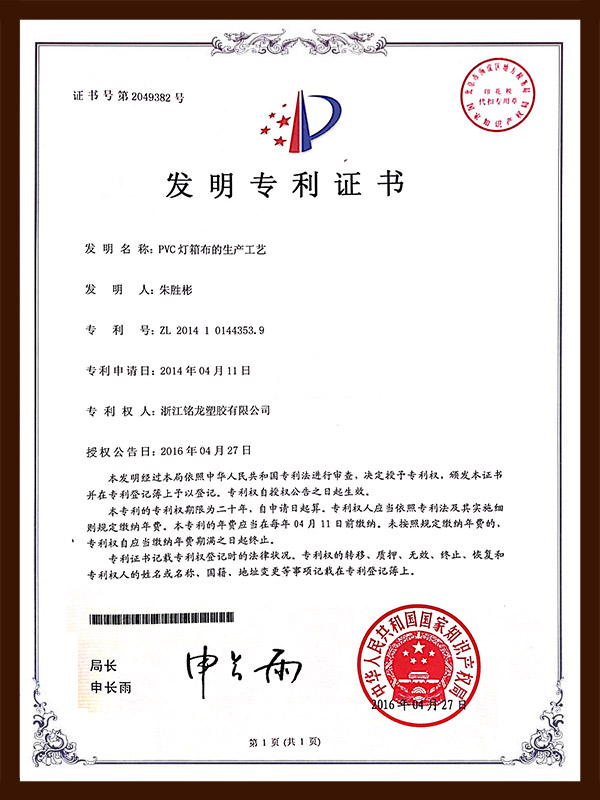
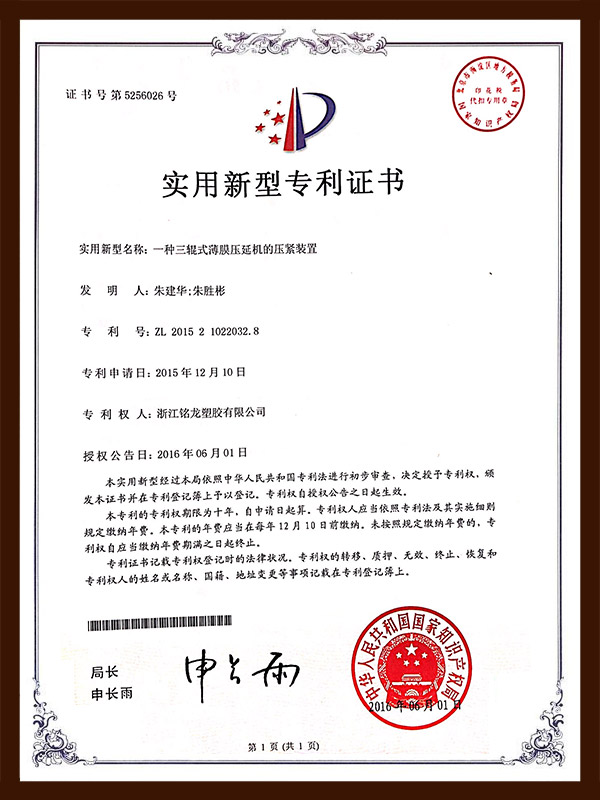
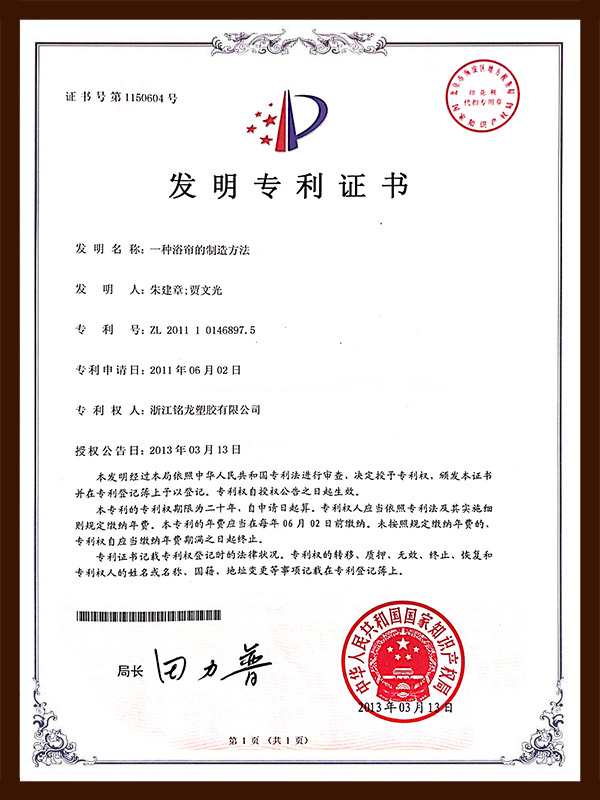
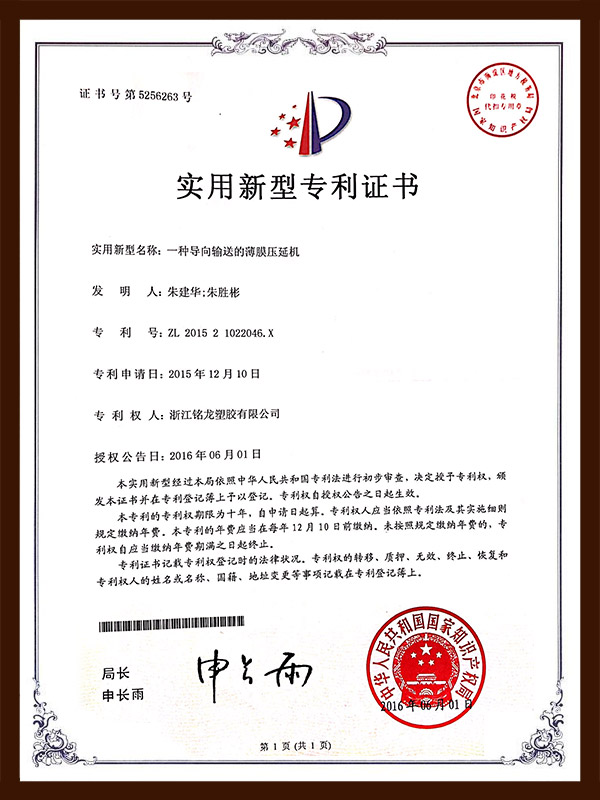
- Development — a Jiaxing Municipal High-tech R&D Center and patented process know-how support custom builds.
Fabrication, Installation and Aftercare
Knife-coated tarpaulin is worked in the same way as other heavy PVC fabrics: high-frequency or hot-air welding for seams, rope hem and keder insertion at edges, eyelets or track hardware at fixing points. We discuss the fabrication route with the order so that coating weight and finish support the joint rather than fight it.
- Allow for thermal expansion and contraction when panels are tensioned on frames or curtainsider tracks.
- Keep the coated face outwards on roofs and covers; the back face can be specified for anti-mildew duty.
- Clean with mild detergent and soft brushing, then dry fully before rolling to prevent trapped moisture.
- Store rolls upright, on a dry floor, away from sharp edges and sustained direct sun.
- On-site damage is normally repaired with a welded or adhesive patch cut from the same production batch.
Information We Use to Configure Your Solution
We develop and produce against drawings or samples, with a standard minimum order of 2,500 metres and custom widths, colours and surface treatments available. The following inputs let us issue a specification and quotation that match the job:
- End product and application — truck curtain, tent roof, awning, hose base or general cover.
- Finished panel dimensions and the cutting plan that determines roll width.
- Target coating weight per face and total fabric grammage.
- Base fabric requirement, or the tensile and tear values the panel must reach.
- Colour reference, finish and any print or lacquer operation after coating.
- Climate at installation, including low-temperature flex and UV exposure.
- Compliance documents needed with the shipment.
- Quantity in metres per width, roll length, core type and packing method.
- Destination port so we can confirm sea or air routing.
Frequently Asked Questions
What separates knife-coated tarpaulin from laminated tarpaulin?
Lamination bonds a pre-made PVC film to the base fabric with heat and pressure; knife coating spreads PVC paste directly onto the weave. Knife coating generally reaches higher add-on in one pass and gives a denser, more abrasion-tolerant skin, while lamination gives very even film thickness and a smooth hand. We produce both and will match the route to the end use.
Can you produce our own width, colour and coating weight?
Yes. Custom build is our normal mode of operation, developed from customer drawings or samples. Calender widths of 4 m and 2.88 m support wide finished rolls, and coating weight, base fabric, colour and surface treatment are set per order. The standard minimum order quantity is 2,500 metres.
How is quality verified before shipment?
Incoming material is checked at IQC, coating weight, width, colour and surface are monitored during production at IPQC, and each finished roll is inspected at OQC against the agreed specification. Production is controlled to ISO practice and tested against REACH, RoHS and EN71 requirements, with documents issued alongside the shipment.
How are rolls packed and shipped?
Finished fabric is wound on cores, wrapped and palletised according to the agreed packing method and roll length. Regular shipments move by sea from Shanghai and Ningbo, and urgent cargo can be routed by air. Our products are currently exported to markets including the United States, Germany, Italy, Spain, the United Kingdom, Japan, Korea, Australia and Canada.
What turnaround should we expect on an enquiry?
We reply within 24 hours on working days. A complete configuration and quotation follows once the application, dimensions, coating weight, colour reference, quantity and destination port are confirmed.

 English
 Category
 +86-573-88890126
 adam@ml-holding.cn
 No. 28, Shuguang Road, Tudian Town, Tongxiang City, Zhejiang Province, 314503, China
