 English
 CN
CN ES
ES 86-573-88890126
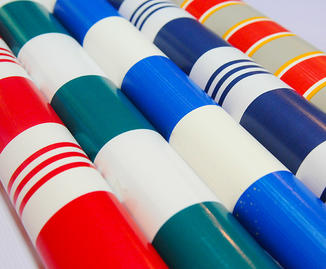
PVC banners, commonly known as PVC flex banners, are widely used for outdoor advertising due to their durability, versatility, and high-quality print finish. One of the critical aspects of PVC flex banner material is its ability to withstand various weather conditions. As outdoor advertisements are exposed to harsh environmental factors, it’s essential to understand how to evaluate their weather resistance for longer lifespan and better performance.
Introduction: Importance of Weather Resistance in PVC Banners
The weather resistance of PVC banners is a crucial factor that impacts the durability and effectiveness of outdoor signage. Weather conditions like rain, wind, sunlight, and temperatures can cause material degradation, which compromises the banner’s visual appeal and structural integrity. Therefore, evaluating the weather resistance of PVC flex banners involves assessing several key factors that contribute to their long-term performance.
Key Weather Resistance Factors for PVC Flex Banners
UV Resistance
UV radiation from the sun can cause the PVC banner material to fade and degrade over time. Banners that are not UV resistant tend to lose their color vibrancy, and the material becomes brittle, which results in cracks or tears. To evaluate UV resistance, look for banners that are coated with UV-protective layers.
- UV Coatings: These coatings shield the banner from the sun’s rays, preventing rapid deterioration.
- Inherent UV Resistance: Some PVC flex banners are manufactured with UV-resistant compounds, which inherently protect the material from sun exposure.
Water Resistance
Rain and moisture are significant factors that can the weakening of PVC banners. Water can seep into the material, causing mold growth, weakening the fibers, and resulting in ink bleed.
- Waterproof Coatings: Many high-quality PVC flex banners are treated with waterproof coatings that prevent moisture from penetrating the material. This also helps in preventing sagging, which is common when banners absorb water.
Temperature Extremes
Extreme temperatures—whether high or low—can negatively affect the elasticity and structure of PVC banners. In hot weather, the material can soften and become prone to tearing, while in cold weather, it may become rigid and crack easily.
- Heat Resistance: PVC flex banners with heat-resistant properties can maintain their integrity even under direct sunlight or high-temperature environments.
- Cold Flexibility: Cold-resistant PVC banners retain their flexibility, which is essential in freezing temperatures where other materials may stiffen.
Wind Resistance
Wind is another significant factor in determining the durability of PVC flex banners. Strong winds can cause the banner to flutter, tear, or even rip entirely if not properly reinforced.
- Reinforced Edges: To ensure wind resistance, banners can have reinforced hems or grommets to provide additional strength.
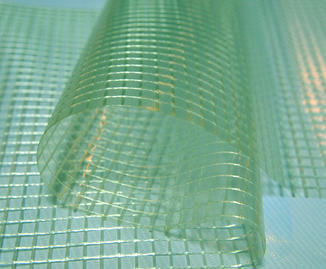
- Mesh Banners: For areas with high wind exposure, PVC mesh banners, which have small perforations, help reduce wind resistance and prevent tearing.
Chemical and Pollution Resistance
Outdoor PVC banners are frequently exposed to environmental pollutants such as vehicle exhaust fumes, dust, and industrial emissions, which can weaken the material over time.
- Anti-Pollution Coatings: Some PVC flex banners are treated with coatings to resist pollutants and prevent them from embedding in the material.
Factors Influencing Weather Resistance of PVC Flex Banners
| Weather Factor | Impact on PVC Banner | Mitigation Measures |
|---|---|---|
| UV Radiation | Fading and material brittleness | UV coatings and UV-resistant additives |
| Water Exposure | Moisture absorption, mold, and ink bleed | Waterproof coatings and water-repellent treatments |
| High Temperatures | Softening, deformation, and tearing | Heat-resistant PVC formulations |
| Cold Temperatures | Rigidness, cracking, and loss of flexibility | Cold-resistant treatments and flexibility-enhancing agents |
| Wind | Tearing, ripping, and banner displacement | Reinforced edges, grommets, and mesh materials |
| Pollution | Surface degradation and discoloration | Pollution-resistant coatings and easy-to-clean surfaces |
Testing Methods to Evaluate Weather Resistance
Evaluating the weather resistance of PVC flex banners involves a combination of real-world testing and laboratory procedures. Some common testing methods include:
Accelerated UV Exposure Test
This test subjects the material to intense UV light to simulate long-term sun exposure. It helps determine how the banner material performs under constant sunlight.
Water Absorption Test
To assess how well the material repels water, this test involves soaking the banner in water for extended periods and observing any changes in weight, texture, or color.
Temperature Cycling
Banners are exposed to rapid temperature changes, alternating between high and low temperatures, to see if the material maintains its flexibility and integrity.
Wind Tunnel Testing
Wind tunnel testing exposes the banner to high-speed winds to simulate outdoor conditions. It measures the material’s resistance to wind force and its ability to withstand pressure without tearing.
Chemical Resistance Test
This test evaluates the banner’s resistance to environmental pollutants by exposing it to various chemicals that are common in outdoor environments.
How to Choose the Right PVC Flex Banner for Outdoor Use
Selecting the right PVC flex banner for your needs involves understanding the specific environmental factors it will be exposed to. For example:
- For high UV exposure: Choose banners with strong UV protection and color-fastness.
- For wet or humid environments: Opt for waterproof PVC flex banners.
- For cold climates: Select PVC banners designed with cold flexibility.
- For windy locations: Reinforced banners with mesh or grommets can offer additional durability.
FAQ
1. How do I know if a PVC flex banner is UV-resistant?
Look for banners that have UV coatings or additives mentioned in their specifications. These features will help protect the banner from the fading effects of sunlight.
2. Can PVC banners be used in all weather conditions?
While PVC banners are durable, selecting the right type of PVC flex banner for specific weather conditions—such as high heat, rain, or wind—is essential to ensure long-term durability.
3. How can I prevent my PVC flex banner from getting damaged by wind?
Using reinforced edges and grommets can significantly increase the wind resistance of PVC flex banners, reducing the likelihood of tearing.
4. What is the way to clean PVC flex banners exposed to pollutants?
Regular cleaning with water and mild soap is effective. For more stubborn pollutants, some banners come with easy-to-clean coatings that make maintenance easier.
5. How long will a weather-resistant PVC banner last outdoors?
A high-quality, weather-resistant PVC flex banner can last for several years outdoors, depending on the environmental conditions it is exposed to. Regular maintenance can extend its lifespan.