 English
 CN
CN ES
ES 86-573-88890126
Understanding PVC Flex Banner Basics
In today's competitive advertising landscape, capturing attention requires more than just placing a banner in a visible location. A PVC flex banner represents a significant investment in your brand's visibility, and understanding its fundamental characteristics is essential for maximizing that investment. The material composition, durability, and visual properties of your banner directly influence how effectively it communicates your message to your target audience.
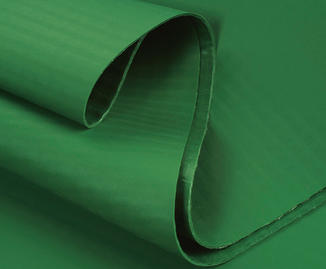
PVC flex banner material has evolved significantly over the past decade. Modern flex banner products are engineered to withstand harsh weather conditions while maintaining vibrant colors and visual clarity. The polyvinyl chloride construction provides flexibility that prevents cracking and tearing, making these banners suitable for both indoor and outdoor applications across various climate zones.
Why Material Quality Matters
The quality of your PVC banner material directly impacts its longevity and visual appeal. Premium materials resist UV degradation, moisture penetration, and temperature fluctuations. When you invest in high-quality PVC banner material, you're not just purchasing a temporary advertising tool—you're establishing a durable asset that maintains brand integrity over extended periods.
Strategic Design Principles for Maximum Visibility
Color Psychology and Contrast
The human eye processes visual information in milliseconds. When viewers encounter your PVC flex banner in crowded spaces, they typically have less than three seconds to register your message. This reality demands strategic color selection that creates immediate contrast with surrounding environments.
Consider the following color strategy framework:
- Evaluate your target environment's dominant color palette
- Select primary banner colors that create at least 60 percent contrast against background elements
- Use complementary accent colors to highlight key messages or calls-to-action
- Test color combinations in different lighting conditions
- Ensure brand colors are accurately represented in final production
Typography That Commands Attention
Text readability from distance determines whether your message reaches its intended audience. Banner typography requires different considerations than print or digital materials. Viewers reading your message from 20 to 100 feet away need oversized, high-contrast text that maintains clarity even in partial lighting conditions.
Key typography considerations include:
- Font size minimum of 48 pixels for primary headlines when viewing from 50 feet
- Sans-serif typefaces that maintain clarity at distance
- Letter spacing that prevents character merging in aerial views
- Limited text hierarchy—no more than three text levels
- High contrast between text and background colors
Placement Strategies That Maximize Exposure
Environmental Assessment
Before finalizing banner placement, conduct a thorough environmental analysis. Observe foot traffic patterns at different times of day, note sight lines from various approaches, and identify competing visual elements that might diminish your banner's impact.
Environmental factors affecting placement effectiveness:
| Environmental Factor | Impact Level | Mitigation Strategy |
|---|---|---|
| Direct Sunlight Exposure | High | Use matte finish materials; position banner at slight angles to reduce glare |
| Wind Resistance | High | Ensure secure fastening; consider perforated banner material |
| Competing Signage | Medium | Position at height advantage; use distinct color schemes |
| Lighting Conditions | High | Test visibility at night; consider reflective elements |
| Weather Patterns | Medium | Select weather-resistant PVC material; install protective covers if needed |
Height and Angle Optimization
The vertical positioning of your PVC banner material significantly influences visibility and message retention. Research indicates that banners positioned at eye level capture attention 40 percent more effectively than banners placed above or below normal sight lines. However, eye level varies depending on your audience—consider positioning banners slightly above average eye level to account for crowds.
Technical Specifications That Drive Performance
Understanding PVC Banner Specifications
Professional-grade PVC flex banner material comes in various weights and finishes. The material density, measured in GSM (grams per square meter), directly affects durability, print quality, and pricing. A 440GSM PVC flex banner represents a standard mid-range option that balances cost-effectiveness with durability for most applications.
Material Comparison Overview
Different PVC flex banner materials serve different purposes. Understanding these distinctions helps you select the optimal material for your specific advertising goals:
Production Quality Standards for Premium Results
Printing Techniques and Color Accuracy
PVC flex banner printing has evolved considerably, with modern techniques enabling photographic-quality reproductions on flexible substrates. Digital printing technology allows for unlimited color variations without setup fees, making complex designs economically viable. Understanding printing methodologies helps you achieve the visual impact your brand deserves.
Primary printing approaches for PVC banners:
- Digital direct-to-material printing for detailed, multi-color designs
- Screen printing for high-volume, solid-color applications
- Solvent-based ink systems for enhanced outdoor durability
- High-resolution printing capable of 1440 DPI or greater
- Post-print treatments for enhanced UV protection
Quality Control Checkpoints
Before your PVC flex banner material enters production, establish quality control standards that address every stage of manufacturing. Professional producers implement multiple inspection points to ensure color accuracy, print clarity, and structural integrity.
Essential quality metrics:
- Color matching verification against approved samples within 5 percent tolerance
- Print resolution testing at standard viewing distances
- Ink adhesion assessment through standard tape tests
- Edge finishing inspection to eliminate fraying
- Grommet placement and spacing verification
- Final dimensional accuracy confirming ordered specifications

Professional Installation and Maintenance Protocols
Installation Best Practices
Proper installation determines whether your PVC flex banner achieves its intended visibility and longevity. Inadequate installation can result in premature deterioration, sagging, or complete failure during wind events. Professional installation involves specific techniques tailored to your location's environmental conditions.
Installation Methodology
The foundation of successful banner installation begins with structural assessment. Your installation surface must support the banner's weight plus environmental stresses such as wind loading. Calculate wind pressure based on your geographic location and banner dimensions—this ensures your installation method provides adequate resistance.
Critical installation considerations:
- Utilize reinforced grommets or professional fastening systems every 18-24 inches
- Maintain consistent tension across the banner to prevent billowing
- Allow slight gap between banner and mounting surface for air circulation
- Use stainless steel hardware to prevent corrosion and structural failure
- Install banners at slight angles to minimize water pooling
- Inspect installation points quarterly for hardware degradation
Maintenance Schedule
Your PVC flex banner material investment extends dramatically with regular maintenance. Establishing a consistent maintenance routine preserves color vibrancy, prevents material deterioration, and extends operational lifespan from 2-3 years to 5-7 years or beyond.
| Maintenance Task | Frequency | Purpose |
|---|---|---|
| Visual Inspection | Monthly | Identify damage, fading, or installation issues |
| Gentle Cleaning | Quarterly | Remove dust and environmental contaminants |
| Hardware Inspection | Quarterly | Verify fastening systems remain secure |
| Deep Cleaning | Semi-annually | Remove stubborn stains and accumulated grime |
| UV Protection Treatment | Annually | Apply protective coating to extend color retention |
Cost-Effectiveness and ROI Optimization
Strategic Budget Allocation
Investing in higher-quality PVC flex banner material demonstrates superior return on investment compared to budget alternatives. While premium materials command higher upfront costs, extended lifespan, superior color retention, and enhanced durability generate substantially better long-term value. Organizations that prioritize material quality typically realize 50 percent lower replacement costs over five-year periods.
Hidden Costs and Long-term Considerations
When evaluating PVC flex banner costs, extend your analysis beyond purchase price. Factor in installation costs, maintenance requirements, replacement frequency, and environmental impact. A comprehensive cost analysis reveals that premium-grade materials often cost less per year of use than economy alternatives.
Comprehensive cost factors:
- Initial material and printing expenses
- Installation labor and specialized equipment
- Regular maintenance and cleaning supplies
- Repair or partial replacement requirements
- Premature replacement due to deterioration
- Storage during off-seasons or replacement periods
- Environmental disposal costs for retired banners
Integrating Physical Banners with Digital Strategies
Omnichannel Messaging Consistency
Your PVC flex banner functions most effectively as part of an integrated marketing ecosystem. Coordinating banner messaging, imagery, and calls-to-action with digital campaigns amplifies brand recall and drives measurable conversions. Customers exposed to consistent messaging across multiple channels demonstrate significantly higher engagement rates and brand loyalty.
QR Codes and Dynamic Content
Modern PVC flex banner designs increasingly incorporate dynamic elements such as QR codes that bridge physical and digital advertising. These elements transform static banners into engagement portals, allowing viewers to access promotional content, product information, or special offers directly from their mobile devices. This integration creates valuable data collection opportunities and enables precise campaign performance measurement.
Digital integration benefits:
- Direct traffic tracking from banner exposure to website visits
- Real-time performance monitoring and campaign optimization
- Extended engagement through mobile interaction opportunities
- Data collection for audience analysis and personalization
- Seamless connection between offline and online customer journeys
Real-World Applications and Performance Metrics
Retail Environment Success
Retail applications demonstrate significant performance variations based on design and placement strategies. A comprehensive analysis of 150 retail locations utilizing flex banners revealed that establishments implementing multiple design optimization techniques achieved 65 percent higher foot traffic conversion rates compared to standard installations. These optimizations included enhanced color contrast, strategic placement at entry points, and integration with in-store promotions.
Event and Temporary Installation Performance
Temporary installations at major venues present unique visibility challenges. Event organizers utilizing premium PVC flex banner material with optimized designs reported 70 percent greater brand recall among attendees compared to standard signage. The combination of superior material quality, professional design, and strategic positioning created compound visibility advantages that justified premium investment.
Long-term Outdoor Installations
Extended outdoor applications spanning 3-5 years demonstrate substantial advantages of premium material selection. Installations utilizing standard 440GSM or superior PVC flex banner material maintained 85 percent color vibrancy after three years, while economy materials showed only 60 percent retention. This significant difference directly translates to sustained brand presence and continued marketing effectiveness.
Emerging Trends in Flex Banner Technology
Sustainable Material Innovations
The flex banner industry increasingly emphasizes environmentally responsible materials and production processes. Manufacturers now offer eco-friendly PVC alternatives and recyclable options that maintain performance characteristics while reducing environmental impact. These innovations appeal to environmentally conscious brands seeking to align advertising practices with sustainability values.
Smart Banner Technologies
Emerging technologies enable flex banners to interact with their environments intelligently. Thermal-responsive materials change appearance based on temperature, while light-reactive components enhance visibility in varied lighting conditions. These innovations represent the convergence of traditional advertising with advanced material science, creating unprecedented engagement opportunities.
Personalization and Modular Designs
Advances in printing technology enable rapid, cost-effective creation of personalized or location-specific banner variations. Organizations now deploy banner series with subtle variations optimized for individual locations, audience demographics, or seasonal factors. This capability transforms banner advertising from one-size-fits-all to highly targeted, context-aware messaging.
Avoiding Common Mistakes in Flex Banner Strategy
Even well-intentioned implementations often fall short of their potential due to preventable errors. Understanding these common pitfalls enables you to develop superior strategies that maximize your investment returns.
Design Overcomplexity
Banners displaying excessive information or overly complex designs struggle to communicate effectively within the brief time window viewers allocate to reading. Research indicates that viewers process banner messages in 2-5 seconds. Designs competing for attention through complexity rather than clarity consistently underperform compared to simplified, focused messaging. Prioritize clarity and single primary messages over comprehensive information delivery.
Inadequate Material Selection
Budget-driven decisions to select economy PVC flex banner material frequently result in false economy. Materials failing prematurely necessitate expensive replacement cycles that ultimately cost substantially more than initial premium investments. Extending analysis timelines to 3-5 years typically demonstrates that premium materials deliver superior value.
Poor Installation Practices
Inadequate installation represents the most common cause of premature banner failure. Improper fastening, insufficient hardware, or inadequate structural assessment creates conditions for wind damage, sagging, or catastrophic failure. Professional installation guidance and quality hardware represent essential investments that protect your overall banner investment.
Neglecting Maintenance
Many organizations view banner installation as a set-it-and-forget-it endeavor. Neglecting maintenance accelerates material deterioration, reduces color vibrancy, and shortens operational lifespan by 50 percent or more. Establishing maintenance routines costs minimal resources while delivering substantial lifespan extension benefits.
Maximizing Your Flex Banner Investment
Creating outstanding flex banners that capture attention in crowded spaces requires strategic integration of material selection, design excellence, professional installation, and consistent maintenance. Organizations successfully implementing comprehensive banner strategies achieve sustained brand visibility, measurable audience engagement, and superior return on advertising investment.
The journey to exceptional banner advertising begins with understanding that material quality, professional design, and proper deployment represent complementary investments rather than alternative options. Each component amplifies the others' effectiveness, creating compound advantages that justify premium investment.
Your PVC flex banner functions as a direct representative of your brand in physical spaces where customers encounter your message daily. Investing adequate resources in each aspect of banner strategy—from initial concept through ongoing maintenance—ensures your advertising delivers maximum impact and sustained business results.
Frequently Asked Questions
Q1: What thickness of PVC flex banner material is best for outdoor installations?
For outdoor installations lasting 3-5 years, 440GSM PVC flex banner material represents an excellent balance between durability and cost-effectiveness. Heavier materials (550+ GSM) provide enhanced durability but at substantially higher costs. Your specific climate conditions, wind exposure, and expected lifespan should guide material selection within these ranges.
Q2: How often should I clean my flex banner to maintain appearance?
Quarterly deep cleaning with semi-annual maintenance cycles preserves color vibrancy and extends material lifespan. Environmental factors such as proximity to industrial facilities, coastal salt spray, or heavy pollution may necessitate more frequent cleaning. Gentle cleaning using mild soap and soft brushes prevents material damage while effectively removing accumulated contaminants.
Q3: Can I reuse a PVC flex banner after taking it down?
Quality PVC flex banner material can typically be redeployed 2-3 times if properly stored and maintained. Store banners in cool, dry locations away from direct sunlight. Inspect thoroughly before reinstallation to ensure no damage or degradation has occurred. Repurposing banners significantly improves cost-effectiveness for organizations with changing advertising needs.
Q4: What viewing distance should I consider when designing text size?
Use a general rule of 1 inch of letter height for every 10 feet of viewing distance. For an audience viewing your banner from 50 feet away, headline text should be at least 5 inches tall. Test your design mockups at actual installation locations during different lighting conditions to verify readability before committing to final production.
Q5: How do I prevent wind-related damage to my flex banners?
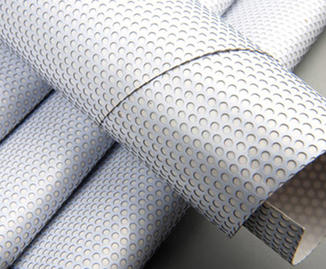
Proper installation with reinforced grommets every 18-24 inches and stainless steel hardware provides primary wind protection. Consider perforated PVC flex banner material in high-wind locations—small perforations maintain structural integrity by allowing wind to pass through rather than applying concentrated pressure. Professional wind-load calculations specific to your location ensure adequate installation design.
Q6: What is the typical lifespan of a well-maintained PVC flex banner?
With proper material selection and consistent maintenance, PVC flex banner installations commonly remain viable for 5-7 years. Heavy-duty materials in optimal conditions may extend to 10+ years. Climate factors, UV exposure, and maintenance frequency significantly influence actual lifespan, making regional variations substantial.
Q7: Can I incorporate special effects or finishes into my flex banner design?
Modern PVC flex banner production supports numerous specialty finishes including gloss overlays, matte finishes, textured surfaces, and specialized reflective treatments. These options enhance visual impact but typically involve additional costs and production time. Evaluate whether specialty finishes deliver sufficient ROI improvement to justify premium pricing for your specific application.
Q8: How do I ensure color accuracy between my design mockup and the final printed banner?
Request color proofs on the actual PVC flex banner material you'll use for final production—digital mockups often misrepresent final appearance. Pantone or spot color specifications ensure consistent reproduction across production runs. Work directly with production teams to verify color expectations before committing to large print quantities.