
 English
The Essential Verdict on PVC Flex Banner Material
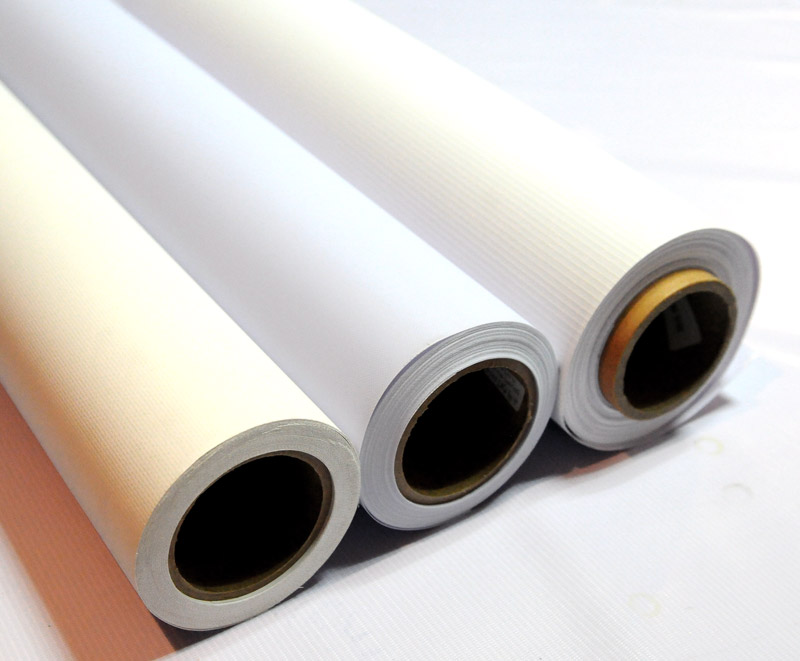
For the majority of high-impact, large-format displays, PVC flex banner material is the undisputed industry standard. Its dominance stems from a unique combination of affordability, durability, and print quality that is difficult to match. However, the term encompasses a wide variety of products. The most critical distinction for a successful project is understanding that the material's internal structure, specifically the denier of its polyester scrim and the coating method, directly dictates its performance in both outdoor and indoor environments. Selecting the right variant is not about choosing a single best material, but about matching the specific technical specifications to your application's demands.
Deconstructing the PVC Flex Banner: Material Architecture
To make an informed decision, it is essential to understand the fundamental composition of a PVC flex banner. It is a composite material, typically consisting of three primary layers working in concert.
1. The Printable Top Coat (PVC Layer)
This is the surface that receives the ink. It is a layer of liquid PVC (polyvinyl chloride) applied to the scrim. The quality of this coating dictates ink adhesion, color vibrancy, and resistance to scratching and weathering. A high-quality coating ensures sharp image reproduction and consistent color performance.
2. The Structural Core (Polyester Scrim)
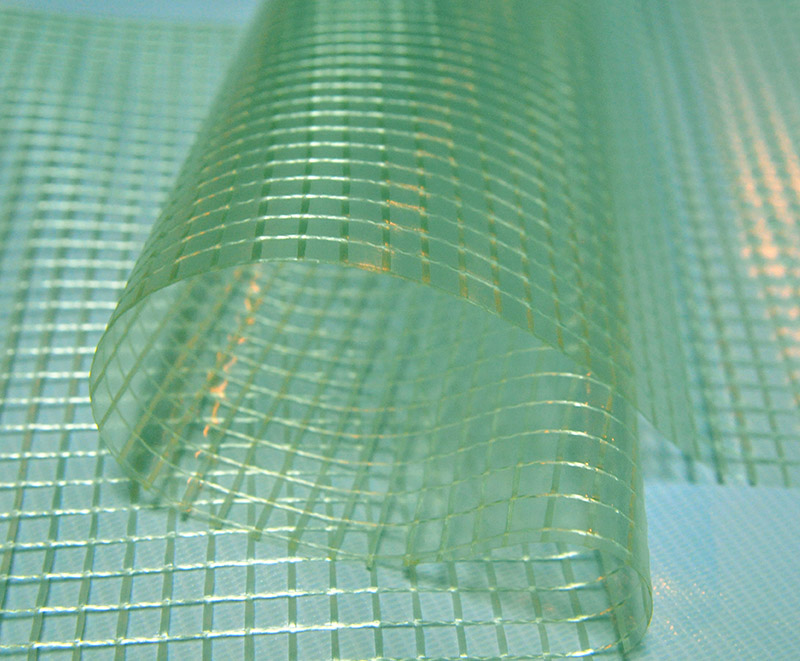
Embedded within the PVC is a woven mesh, or scrim, made of high-tenacity polyester yarns. This is the material's skeleton, providing its tensile strength and tear resistance. The scrim's construction is defined by two key parameters:
- Denier (D): The thickness of the individual polyester yarns. A higher denier (e.g., 1000D) signifies thicker, stronger threads, resulting in a more durable banner.
- Thread Count: The number of threads per square inch (e.g., 18x12). A higher thread count indicates a tighter weave, which enhances the material's dimensional stability and provides a smoother surface for printing.
3. The Backing Layer (Coated vs. Laminated)
This final layer finishes the material and is a critical factor in its performance and longevity.
- Laminated Banners: These are created by sandwiching the scrim between two pre-made PVC films. While more economical, the layers can delaminate over time, especially under stress. They are generally suitable for short-term applications.
- Coated Banners: Manufactured by directly coating the scrim with a liquid PVC paste. This process creates a more homogeneous, durable, and weather-resistant material. For long-term outdoor displays and billboards, a coated banner is the superior choice.
Application-Based Selection: Indoor vs. Outdoor and Lighting
Where and how a banner is displayed are the most significant factors in material selection. The lighting conditions and environmental exposure will dictate which specific type of PVC flex banner is required.
Outdoor Banners (Billboards, Building Wraps, Fencing)
Durability is paramount. The material must withstand UV radiation, rain, wind, and temperature fluctuations. Key considerations include:
- Longevity: For a long-term campaign, seek materials with high UV resistance and robust construction. A quality frontlit banner can last 3 to 5 years outdoors.
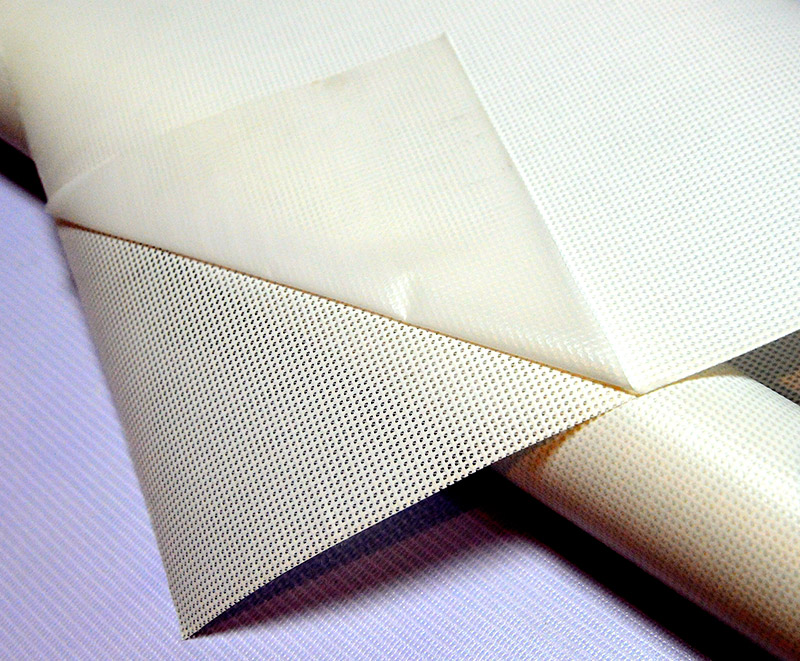
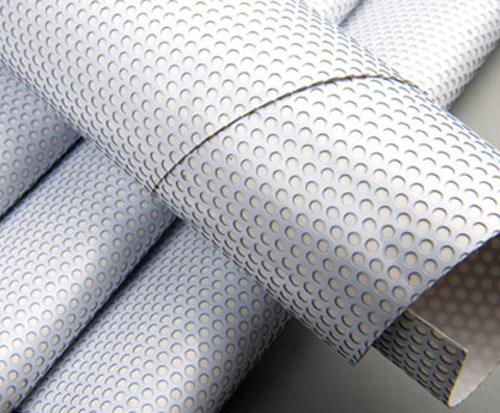
- Wind Resistance: Mesh banners, which feature perforations, allow air to pass through, significantly reducing wind load and the risk of tearing in exposed locations.
Indoor Banners (Exhibitions, Retail, Events)
Without the need for weatherproofing, the focus shifts to aesthetics and safety. Consider:
- Surface Finish: A matte finish reduces glare, while a glossy finish can make colors pop and appear more vibrant under controlled lighting.
- Fire Retardancy: Many indoor venues have strict fire safety regulations. Look for materials that meet certifications like NFPA 701 or ASTM E84.
Lighting Condition: Frontlit vs. Backlit vs. Blockout
The way a banner is illuminated is a decisive factor. The table below clearly defines the options:
| Property | Frontlit Banner | Backlit Banner | Blockout Banner |
| Lighting | Illuminated from the front | Illuminated from behind | No light passes through |
| Transparency | Opaque | Translucent | 100% Opaque |
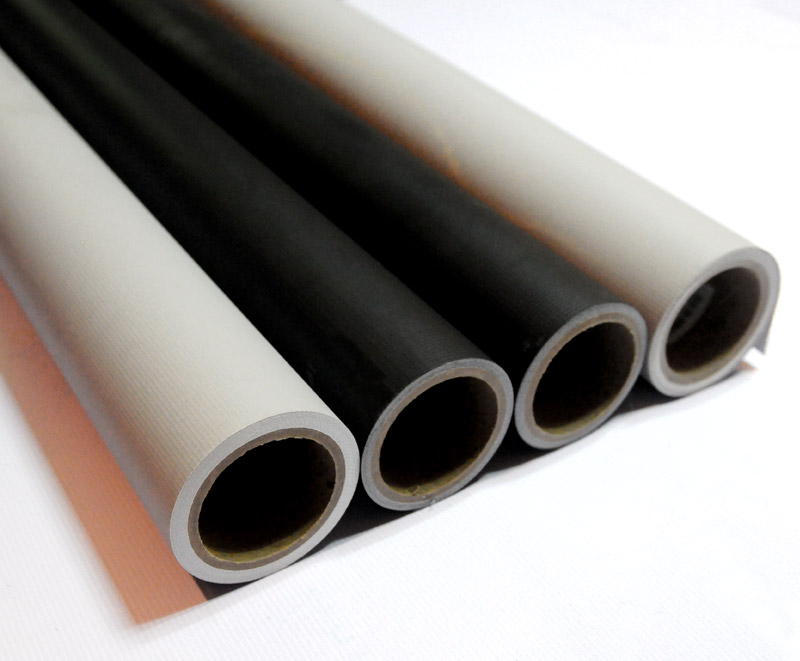
| Best Use | Standard billboards, general signage | Light boxes, backlit displays | Double-sided printing |
Critical Technical Specifications: GSM, Denier, and Strength
Moving beyond the basic types, a professional selection requires evaluating the material's technical data sheet. These quantitative metrics provide an objective measure of the banner's quality and performance.
Grams per Square Meter (GSM)
This is a direct measure of the material's weight and thickness. A higher GSM generally correlates with increased durability and robustness. For large outdoor banners requiring high wind resistance, a heavier material (e.g., 440gsm or 510gsm) is recommended. For indoor banners where handling and portability are key, a lighter material (e.g., 340gsm) is often preferred.
Denier (D) and Thread Count
These specifications describe the underlying scrim. A combination like 1000D x 1000D with a 9x9 thread count indicates a very strong, heavy-duty fabric designed to withstand immense stress. In contrast, a 200D x 300D scrim is lighter and better suited for short-term, indoor uses.
Tensile and Tear Strength
These are critical performance indicators, measured in Newtons (N). Tensile strength measures the force a material can withstand before breaking, while tear strength measures its resistance to tearing once a cut has been made. For example, a high-quality 510gsm coated banner with a 1000D scrim can exhibit tensile strengths exceeding 1200 N/5cm.
Printing Technologies and Ink Compatibility
The final visual impact and longevity of a PVC flex banner are heavily dependent on the printing technology and inks used. The material's surface coating must be compatible with the chosen method to ensure optimal adhesion and color vibrancy.
- Solvent and Eco-Solvent Printing: The most common methods for outdoor banners. Solvent inks penetrate the material, creating a durable, scratch-resistant image. This is the industry standard for cost-effective, long-lasting outdoor graphics.
- UV Printing: Ink is cured by UV light, creating a vibrant, sharp print that sits on the surface. This is ideal for both indoor and outdoor applications where high-resolution and fade resistance are paramount.
- Latex Printing: A water-based, odorless ink system that is a popular choice for indoor and environmentally sensitive applications. It offers excellent scratch resistance and print quality without the VOC emissions of solvent inks.
- Screen Printing: A traditional technique still used for high-volume, simple graphics. It is compatible with specific PVC flex banners that have the appropriate surface for screen inks.
 +86-573-88890126
 adam@ml-holding.cn
 No. 28, Shuguang Road, Tudian Town, Tongxiang City, Zhejiang Province, 314503, China