 English
 CN
CN ES
ES 86-573-88890126
What Determines the Price of Flex Material
If you are sourcing flex material for a project, the first question is usually straightforward: how much does it cost, and what changes that number? There is no single fixed price because flex material covers a family of lightweight, flexible sheet products used in signage, craft, lighting, and decorative applications. The final quote depends on material type, thickness, surface finish, custom printing, order quantity, and shipping destination. This guide breaks down each factor, compares common options, and shows you how to request a quote that matches your exact specification.
Most buyers find that moving from a generic inquiry to a specification-based quote reduces back-and-forth and shortens lead time by several days.
Key Factors That Affect Flex Material Pricing
Pricing for flexible sheet material is not arbitrary. Suppliers calculate cost from raw material, processing steps, customization requirements, and logistics. Understanding these factors helps you compare quotes accurately and avoid hidden cost surprises.
Material Type and Surface Finish
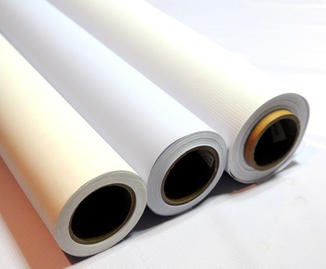
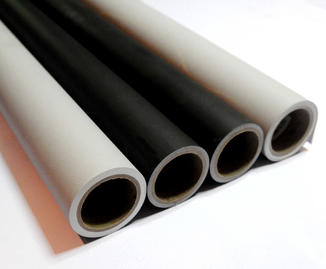
Different flex material types carry different base costs. Clear flex, white flex, mirror flex, and iridescent flex each require different raw materials and surface treatments. For example, clear flex price is often lower than mirror flex because mirror finishes require additional coating and handling. White flex price sits in the mid-range because it is widely produced and easy to stock. Peel and stick flex cost is usually higher than non-adhesive versions because of the added adhesive layer and release liner.
Custom Patterns and Printed Designs
If your project requires custom flex material with printed patterns, logos, or gradient designs, expect a higher unit price. Patterned flex material involves digital printing, color matching, and sometimes a protective top layer. Setup costs are spread across the order, so small custom runs have a higher per-unit cost than large runs.
Size, Thickness, and Quantity
Thickness is typically measured in inches, with 0.01 inch being a common standard for flexible sheet material. Thicker sheets use more raw material and may require different cutting or finishing equipment. Larger sheet dimensions increase material usage and packaging cost. Quantity is the most powerful lever: bulk flex material pricing can be significantly lower per unit because fixed setup costs are distributed across more pieces.
Adhesive and Release Liner Options
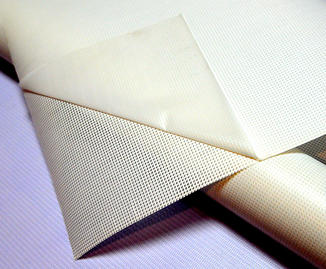
Peel and stick flex material price includes the cost of the adhesive layer and the release liner. If your project does not require adhesive backing, choosing a non-adhesive version can reduce material cost. However, adhesive-backed sheets can save labor during installation, so the total project cost may still favor peel and stick depending on your workflow.
Cost Comparison Across Common Flex Material Types
The table below compares typical use cases and cost positioning for common flexible sheet options. Actual quotes vary by thickness, size, and quantity.
| Material Type | Typical Use | Adhesive Backing | Cost Position |
|---|---|---|---|
| Clear flex | Light covers, overlays, window graphics | Optional | Low to mid |
| White flex | Signage, backdrops, general fabrication | Optional | Low to mid |
| Peel and stick flex | Quick installation, wall graphics, decals | Yes | Mid to high |
| Mirror flex | Decorative panels, reflective accents | Optional | Mid to high |
| Iridescent flex | Color-shift art, fashion, events | Optional | High |
If your project does not require adhesive backing, choosing a basic non-adhesive option usually lowers material cost. When comparing clear flex vs peel and stick clear flex, factor in installation labor and waste. A lower material price can be offset by higher labor or more discarded pieces.
Flex Material vs Acrylic and Vinyl: Cost Positioning
Flex material often competes with acrylic and vinyl in signage, display, and fabrication projects. Understanding cost differences helps you choose the right substrate for the job.
For lightweight decorative projects, flex material is usually cheaper than acrylic on a per-square-foot basis, especially when you factor in shipping. Acrylic is rigid, heavier, and more prone to cracking during transport. Flex material can be rolled or flat-packed, reducing dimensional weight and damage risk. That said, acrylic offers superior optical clarity and structural rigidity for premium displays.
Compared with vinyl, flex material is typically thicker and more durable. Standard vinyl is thinner and often used for adhesive graphics, while flex material is a self-supporting sheet. If your project needs a rigid feel without the weight of acrylic, flex material can be a cost-effective middle ground. When comparing flex vs laser safe vinyl, note that laser safe vinyl is engineered for cutting and engraving, while flex material is often chosen for printing and mounting. Each has a different cost structure based on processing method.
Bulk Purchasing vs Small Batch Customization
Order size changes both unit price and production workflow. Small batch flex material is ideal for prototyping, sample testing, personal projects, or one-time events. The per-unit price is higher because setup, cutting, and packaging costs are spread across fewer pieces.
Bulk flex material and wholesale flex material orders are better suited for studios, schools, retail chains, and manufacturers with recurring needs. Larger quantities reduce unit cost and often unlock better shipping rates. If you expect ongoing demand, ask about tiered pricing at 50, 100, 500, and 1,000 units. Even if you start small, knowing the next price break helps you plan inventory.
The larger the order, the better the unit price usually is. State your estimated annual or quarterly usage in the quote request to get the most accurate tier.
Shipping and International Order Considerations
Flex material is lightweight, which makes it favorable for cross-border shipping. A pallet of flexible sheets weighs far less than the same square footage of glass or acrylic, lowering freight cost and reducing breakage claims.
For international flex material orders, shipping is calculated separately based on destination, package dimensions, weight, and service level. Duties, taxes, and customs clearance may apply. If you need material quickly, air freight increases cost but shortens transit. For non-urgent bulk orders, sea freight reduces cost but extends lead time. Always confirm whether the quoted price includes shipping or is ex-works.
How to Get a Fast and Accurate Flex Material Quote
A complete request removes guesswork and speeds up pricing. Before contacting a supplier, gather the following details.
- Material type: clear, white, mirror, iridescent, or peel and stick
- Thickness: for example, 0.01 inch
- Sheet size or cut dimensions
- Order quantity
- Project use: indoor, outdoor, signage, craft, lighting
- Custom requirements: printing, pattern, adhesive, protective film
- Delivery city and country
Quote Request Workflow
- Submit your specification and quantity
- Supplier confirms material availability and lead time
- Receive itemized quote with unit price, shipping, and taxes
- Approve and place order
Common Ordering Questions
If an item shows out of stock, it often means the specific thickness or surface option is temporarily unavailable. Try switching thickness or material variant, or ask for an alternative with similar properties. Some pattern options require re-confirmation because they are produced in batches. For custom flex material orders, lead time may be longer than stock items.
To get a quote, provide your material type, size, quantity, and destination. A detailed inquiry typically receives a response faster than a general price question.
Frequently Asked Questions About Flex Material Pricing
Q1: How much does flex material cost?
Flex material pricing varies by type, thickness, size, quantity, and customization. Clear and white flex are typically lower cost, while mirror, iridescent, and peel and stick options are higher. Request a quote with your exact specification for an accurate number.
Q2: Is flex material cheaper than acrylic?
For many lightweight projects, flex material is cheaper than acrylic on a per-square-foot basis and much cheaper to ship. Acrylic still wins for rigidity and optical clarity. The best choice depends on your structural and visual requirements.
Q3: Why does flex material show out of stock?
Out-of-stock status usually applies to a specific thickness, color, or pattern option rather than the entire material category. Switching thickness or choosing a similar finish often resolves the issue. Custom pattern runs may also require a new production batch.
Q4: Do you offer bulk pricing for flex material?
Yes, bulk flex material orders typically receive tiered pricing. Unit cost decreases as quantity increases. Share your estimated usage and target delivery schedule to receive the most competitive tier.
Get Your Flex Material Quote
Send us your material type, thickness, dimensions, quantity, and delivery location. We will confirm availability and provide a detailed quote with pricing and lead time.