 English

06/20/2023
A Fascinating Blend of Privacy and Advertising
In today's digital age, where privacy concerns often collide with the desire for effective advertising, one-way vision technology offers a unique and captivating solution. Also known as perforated window film or window graphics, one-way vision is a remarkable innovation that allows an unobstructed view from one side while presenting an eye-catching display on the other side. This article explores the fascinating world of one-way vision, highlighting its features, applications, and the balance it strikes between privacy and advertising.
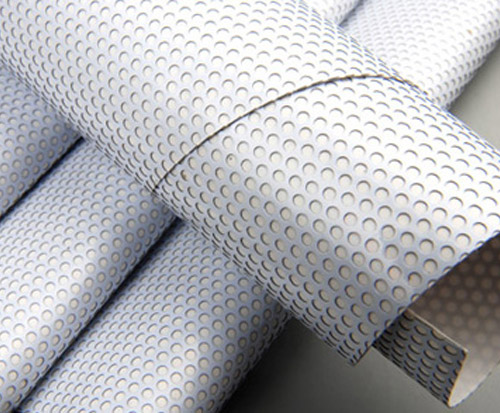
Understanding One-Way Vision
One-way vision is made possible through a specially designed vinyl film with evenly spaced micro-perforations. These tiny holes create a visually appealing graphic on one side while maintaining transparency on the other. The human eye, when positioned on the side of the printed graphic, sees a vibrant and attention-grabbing image. Simultaneously, those on the transparent side can view the outside world without obstruction.
Features and Advantages
Privacy: One-way vision provides an effective privacy solution for businesses and individuals. It enables a see-through effect from the inside, allowing occupants to observe the surroundings without compromising their privacy. This makes it particularly useful in office buildings, retail spaces, vehicles, and residential properties where privacy is essential.
Advertising: One-way vision is an ingenious advertising tool that maximizes visibility without sacrificing natural light or blocking views. By utilizing windows as advertising space, businesses can reach their target audience effectively. Whether used on storefronts, vehicle windows, or public transportation, one-way vision graphics attract attention while preserving the aesthetics of the environment.
Solar Control: Another advantage of one-way vision film is its ability to control solar radiation. By reducing heat and glare from the sun, it improves the comfort of indoor spaces and helps regulate temperature. This feature is particularly beneficial in hot climates or buildings with large windows that receive excessive sunlight.
Applications of One-Way Vision
Retail and Commercial Spaces: One-way vision graphics are widely used in retail environments to transform storefront windows into eye-catching advertisements. By creatively utilizing window space, businesses can promote their products or services, entice customers, and maintain an open, inviting atmosphere inside.
Vehicles: One-way vision is frequently applied to vehicles, including cars, buses, and trains, for branding, advertising, or informational purposes. This mobile advertising method effectively captures the attention of pedestrians and other drivers while maintaining the driver's visibility.
Offices and Workspaces: One-way vision can be used within office buildings to enhance privacy in meeting rooms, partition walls, or glass doors. It allows natural light to pass through, creating a pleasant working environment while preventing unwanted distractions.
Residential Properties: Homeowners often utilize one-way vision film on windows to enhance privacy without sacrificing the view. It is especially useful in urban settings where proximity to neighbors may compromise privacy. One-way vision can be customized with designs or patterns to add aesthetic appeal to residential spaces.
One-way vision technology seamlessly blends privacy and advertising, offering a versatile solution for a wide range of applications. It allows businesses to communicate their messages effectively, capture attention, and maintain privacy simultaneously. Additionally, it provides individuals with the ability to enjoy unobstructed views while preserving their personal space. As privacy concerns continue to rise in the digital era, one-way vision remains an innovative and captivating choice for businesses, advertisers, and individuals alike.
Contact Info
 +86-573-88890126
 adam@ml-holding.cn
 No. 28, Shuguang Road, Tudian Town, Tongxiang City, Zhejiang Province, 314503, China
Quick Links
Product
Mobile qr Code
Copyright © Zhejiang Minglong New Material Technology Co., Ltd. All rights reserved.
Custom Digital Printing Banner Material Manufacturers
