 English

06/29/2023
The Versatility and Benefits of Laminated Tarpaulin Fabric
When it comes to protective coverings and outdoor applications, laminated tarpaulin fabric has proven to be a reliable and versatile choice. With its durable construction and various advantageous properties, laminated tarpaulin fabric is widely used in industries such as construction, agriculture, transportation, and camping. In this article, we will explore the characteristics, applications, and benefits of laminated tarpaulin fabric.
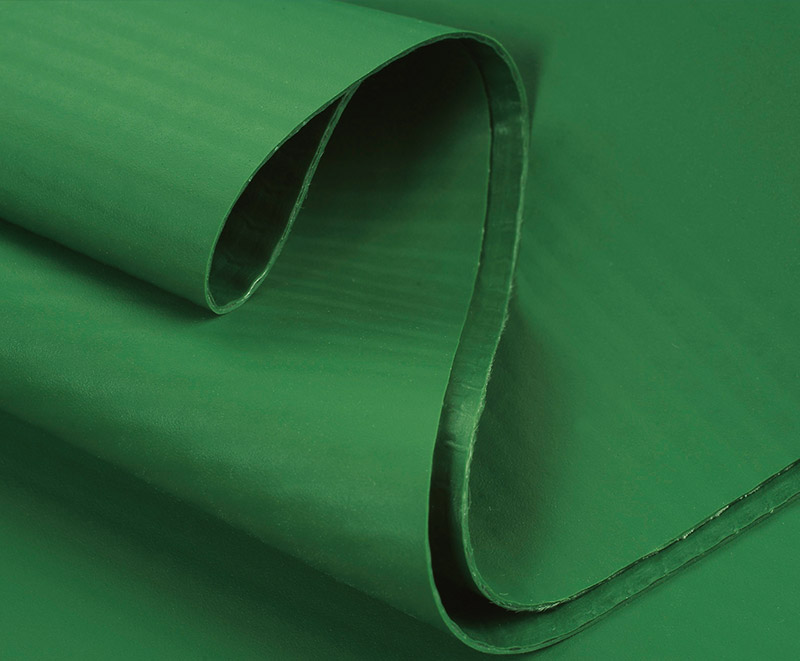
Understanding Laminated Tarpaulin Fabric:
Laminated tarpaulin fabric consists of multiple layers of materials bonded together to form a strong, resilient, and weather-resistant fabric. The layers typically include a woven polyester or polyethylene base, a central layer of low-density polyethylene (LDPE) or high-density polyethylene (HDPE) film, and an outer layer of coating or lamination. This construction provides excellent protection against moisture, UV radiation, mildew, and abrasion.
Key Features and Properties:
Waterproof and Weatherproof: The lamination process ensures that laminated tarpaulin fabric is completely waterproof, making it ideal for outdoor use in rainy or snowy conditions. It also offers superior resistance to ultraviolet (UV) radiation, preventing damage from prolonged exposure to the sun.
Durability and Tear Resistance: The woven base fabric provides strength and tear resistance to the tarpaulin. The laminated layers add further reinforcement, making it highly durable and capable of withstanding harsh environmental conditions.
Flexibility and Lightweight: Despite its robust nature, laminated tarpaulin fabric remains relatively lightweight and flexible. This characteristic allows for easy handling, transportation, and installation.
Applications of Laminated Tarpaulin Fabric:
Construction and Scaffolding: Laminated tarpaulin fabric finds extensive use in the construction industry for creating temporary shelters, covering scaffolding structures, protecting building materials from adverse weather conditions, and enclosing work areas during renovation or painting projects.
Transportation and Trucking: Laminated tarpaulin fabric is commonly employed in the transportation sector for making truck covers, trailer curtains, and cargo liners. Its water-resistant properties ensure that goods and equipment remain protected during transit.
Agriculture and Farming: Laminated tarpaulin fabric plays a crucial role in agriculture and farming. It can be utilized for constructing greenhouse covers, protecting crops from inclement weather, serving as ground covers to prevent weed growth, and creating temporary storage structures for farm equipment.
Camping and Outdoor Recreation: Laminated tarpaulin fabric is a popular choice for camping enthusiasts. It serves as a reliable shelter against rain, wind, and sun, and can be used as ground sheets, tent floors, or makeshift awnings.
Benefits of Laminated Tarpaulin Fabric:
Cost-Effective: Laminated tarpaulin fabric offers a cost-effective solution for various applications compared to other materials. Its durability ensures a longer lifespan, reducing the need for frequent replacements.
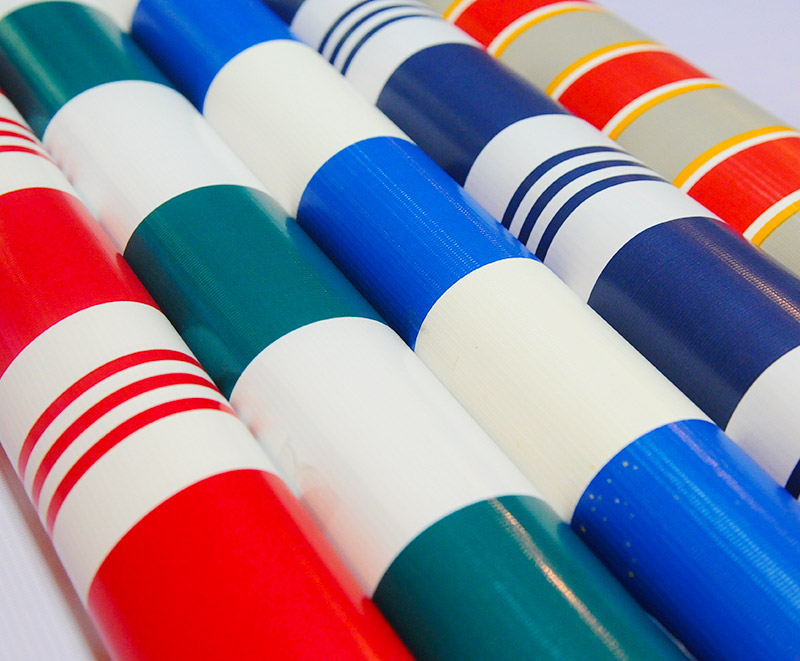
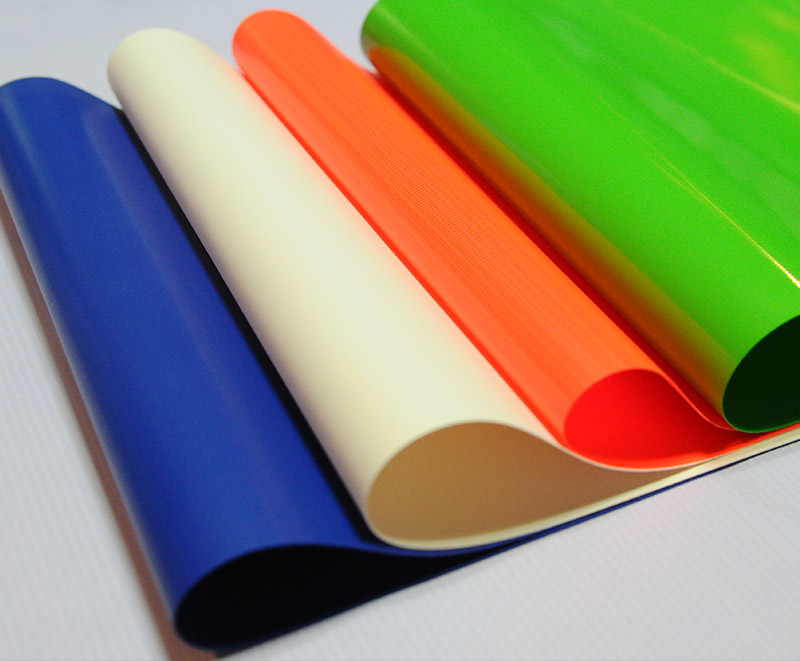
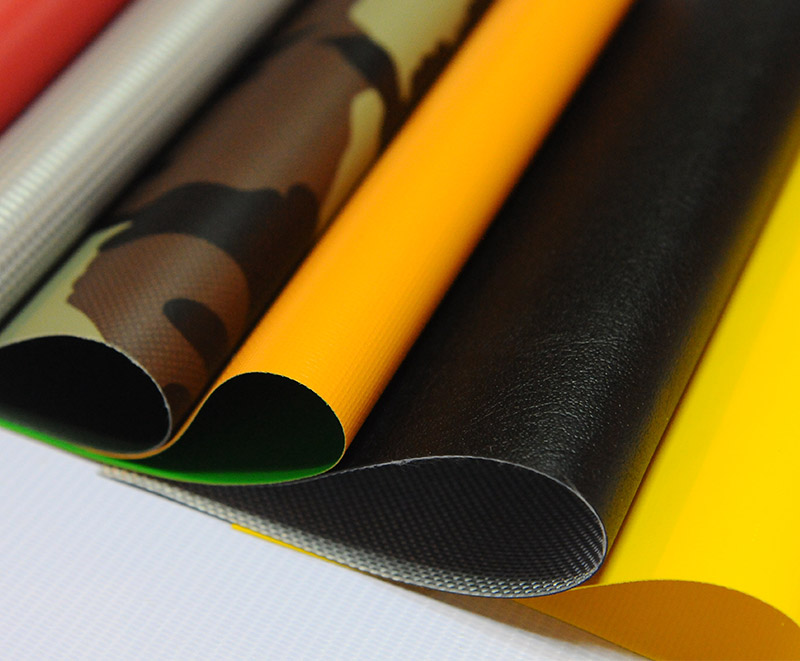
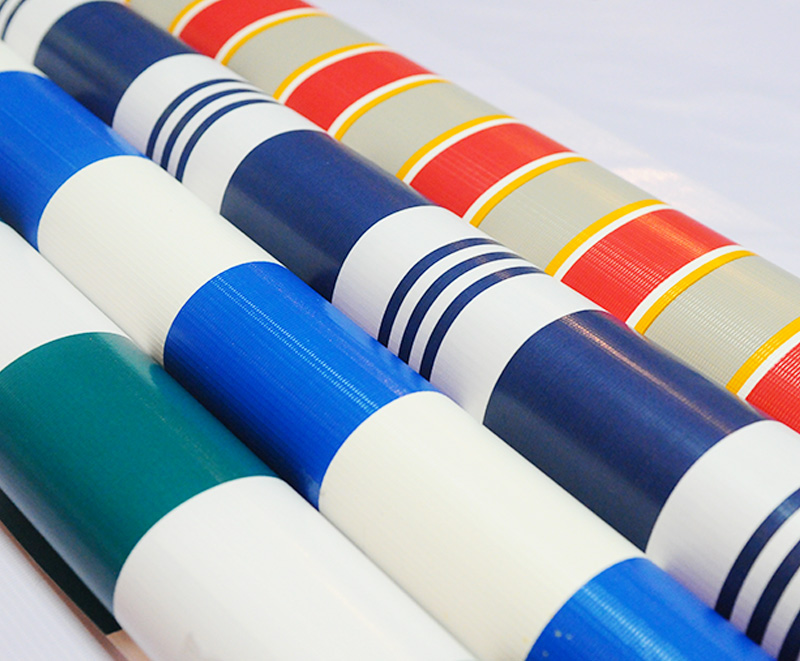
Customizability: Laminated tarpaulin fabric can be manufactured in different sizes, thicknesses, and colors to meet specific requirements. It can also be customized with reinforced edges, eyelets, or fastening systems for easy installation and securing.
Easy Maintenance: Cleaning and maintaining laminated tarpaulin fabric is relatively simple. Regular rinsing with water and mild soap can help keep it clean and free from debris. It is also resistant to mold and mildew growth.
Laminated tarpaulin fabric is a versatile material with a wide range of applications across various industries. Its exceptional durability, weather resistance, and cost-effectiveness make it an ideal choice for protecting goods, equipment.
Contact Info
 +86-573-88890126
 adam@ml-holding.cn
 No. 28, Shuguang Road, Tudian Town, Tongxiang City, Zhejiang Province, 314503, China
Quick Links
Product
Mobile qr Code
Copyright © Zhejiang Minglong New Material Technology Co., Ltd. All rights reserved.
Custom Digital Printing Banner Material Manufacturers
