 English

01/25/2024
Can self-adhesive vinyl be easily removed without damaging surfaces?
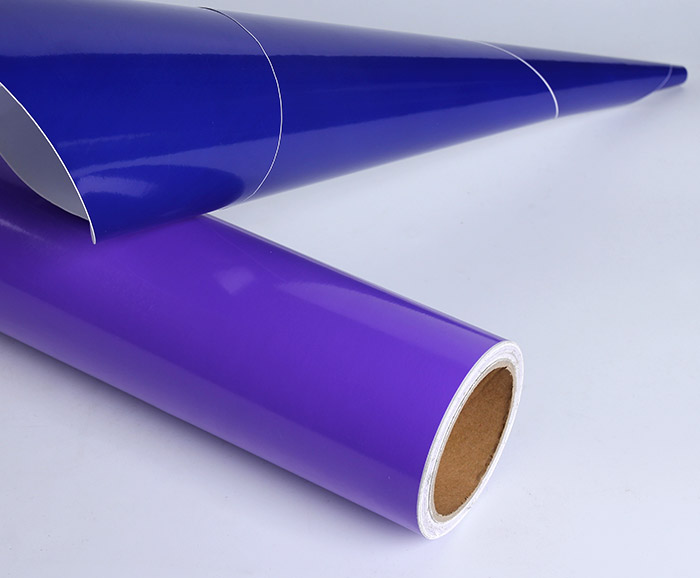
Self-adhesive vinyl is usually used for diverse purposes, along with domestic decor, signage, branding, and car wraps. One of the most important advantages of self-adhesive vinyl is its ease of set up and removal. When applied correctly, self-adhesive vinyl can be eliminated with out causing any predominant harm to the underlying surface. However, several factors can have an effect on the convenience of vinyl removal, such as the best of the vinyl, the type of floor it is carried out to, and the period of its application. In this text, we can speak the process of casting off self-adhesive vinyl and offer a few tips to make sure that the floor remains undamaged.
Before we delve into the elimination process, allow's briefly understand what self-adhesive vinyl is and the way it works. Self-adhesive vinyl is a skinny, flexible fabric with an adhesive backing that bonds to a floor while pressure is applied. It is typically fabricated from vinyl or a similar cloth and is derived in diverse finishes, along with gloss, matte, and textured. The adhesive on the back of the vinyl is usually pressure-touchy, this means that it becomes tacky whilst stress is implemented and bond to the surface.
The ease of vinyl elimination largely relies upon at the high-quality of the vinyl itself. Higher satisfactory vinyl has a tendency to have a more potent adhesive bond, that could make it greater hard to eliminate. Lower best vinyl regularly has a weaker bond and can be eliminated particularly easily. Additionally, the type of floor the vinyl is carried out to additionally plays a important position. Smoother surfaces, which includes glass or metallic, are typically simpler to cast off vinyl from as compared to textured surfaces like brick or stucco.
Now, let's speak the stairs concerned in getting rid of self-adhesive vinyl without negative the floor:
1. Preparation: Before attempting to cast off the vinyl, gather the necessary equipment, consisting of a warmth gun or hairdryer, a plastic scraper or putty knife, adhesive remover, rubbing alcohol, and a clean cloth.
2. Heat utility: If possible, warm up the vinyl using a heat gun or hairdryer on low warmth. This facilitates melt the adhesive, making it less complicated to peel off.
Three. Peeling off the vinyl: Once the vinyl is heated, begin peeling it off gently from one corner. Use a plastic scraper or putty knife to boost the brink, being careful now not to damage the floor under. If the vinyl does not come off effortlessly, warmness the vicinity again and maintain the manner.
4. Adhesive removal: After disposing of the vinyl, there might be some adhesive residue left on the surface. Apply adhesive remover or rubbing alcohol to a easy cloth and gently rub the residue till it's miles absolutely removed. Avoid the use of harsh chemicals or abrasive materials that could damage the floor.
Five. Surface cleansing: Once the adhesive residue is removed, smooth the surface with mild cleaning soap and water to cast off any closing residue, dust, or grime. Dry the surface very well before making use of new vinyl or leaving it naked.
While the above steps usually work for putting off self-adhesive vinyl, it's far vital to be aware that certain surfaces or circumstances may additionally require extra precautions or professional help. Some surfaces, inclusive of painted partitions or delicate substances, can be greater liable to harm at some point of the elimination process. Therefore, it's far constantly really useful to test a small, inconspicuous area earlier than trying to cast off vinyl from the complete surface.
In conclusion, self-adhesive vinyl can normally be eliminated without inflicting foremost damage to the floor if executed correctly. By getting ready the important gear, properly heating the vinyl, and using suitable method and solutions for adhesive elimination, the method may be fairly easy and straightforward. However, it is critical to workout warning and consideration for the precise floor and situations to make sure the first-rate outcomes.
Related Products
-
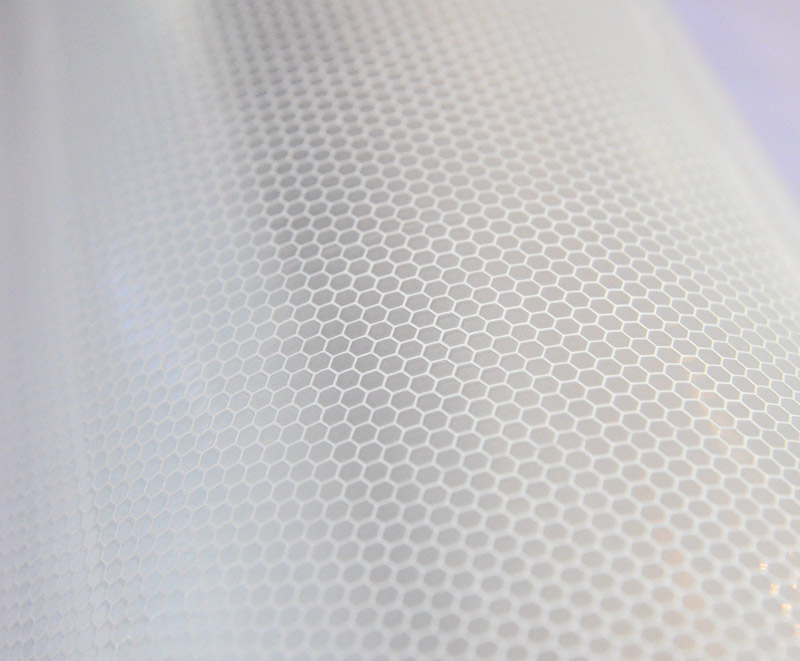 White Reflective Honeycomb Vinyl Sticker Materials
-
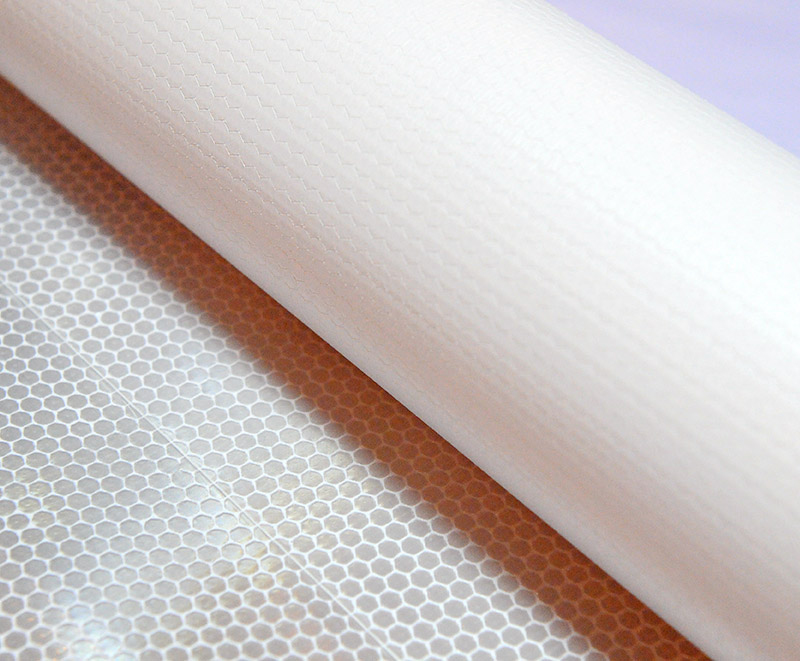 Printable Reflective Banner Vinyl Roll Material
-
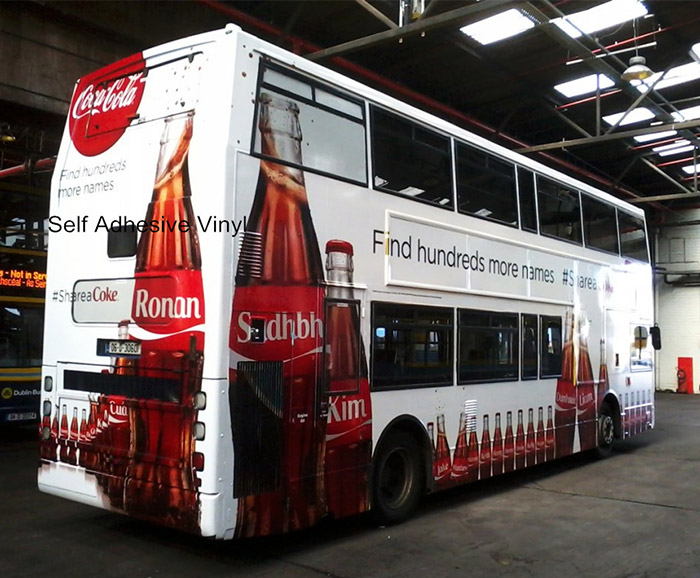 Digital Printing Vinyl
-
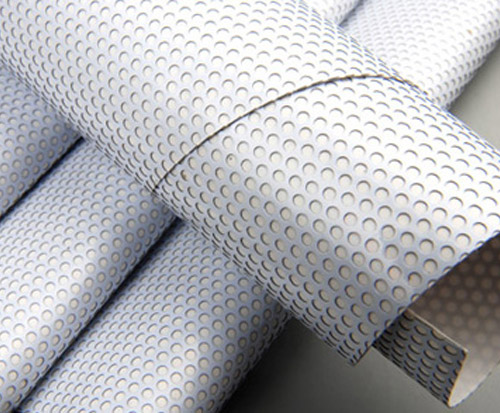 One Way Vision Vinyl Film Sticker
-
 White Transparent Black Grey Self Adhesive Printable Vinyl
Related News
- What surfaces can self adhesive vinyl be applied to?
- Exploring the UV resistance of self-adhesive vinyl: the secrets of material formulation and production process
- Can Coated Tarpaulin Fabric be customized or printed with logos or designs?
- White transparent black grey self-adhesive printable vinyl is a versatile and durable material
- Self-adhesive vinyl is compatible with a variety of printing methods
Contact Info
 +86-573-88890126
 adam@ml-holding.cn
 No. 28, Shuguang Road, Tudian Town, Tongxiang City, Zhejiang Province, 314503, China
Quick Links
Product
Mobile qr Code
Copyright © Zhejiang Minglong New Material Technology Co., Ltd. All rights reserved.
Custom Digital Printing Banner Material Manufacturers
