 English

10/23/2023
Do Coated Tarpaulin Fabrics have antifungal and antimicrobial properties?
Coated tarpaulin fabrics are a versatile and widely used material known for their durability, weather resistance, and protective qualities. They are commonly used for various applications, including outdoor covers, tents, vehicle and equipment protection, and more. While coated tarpaulin fabrics offer excellent protection against environmental factors, such as water, UV radiation, and abrasion, their inherent properties do not inherently make them antifungal or antimicrobial. However, there are methods to enhance these fabrics' resistance to fungal and microbial growth.
1. Natural Resistance:
Tarpaulin fabrics, typically made of materials like polyethylene or PVC, do have some inherent resistance to fungi and microbes due to their non-porous nature. These materials are not a source of nutrients for microorganisms, making them less susceptible to colonization compared to organic materials like cotton or wood. However, this resistance is not foolproof, and if conditions are favorable, fungal and microbial growth can still occur.
2. Coatings and Treatments:
Manufacturers can enhance the antifungal and antimicrobial properties of tarpaulin fabrics by applying specialized coatings or treatments during the manufacturing process. These coatings may contain antimicrobial agents, such as silver nanoparticles or other chemicals that inhibit the growth of fungi and bacteria. This added layer of protection can help prevent the development of mold, mildew, and odors on the fabric's surface.
3. Maintenance:
Proper maintenance plays a crucial role in preventing fungal and microbial growth on tarpaulin fabrics. Regular cleaning and drying of the fabric help remove dirt, moisture, and organic matter that can serve as breeding grounds for microorganisms. This maintenance routine is essential for preserving the fabric's integrity and preventing deterioration caused by microbial activity.
4. Environmental Factors:
The environment in which the tarpaulin is used also influences its susceptibility to fungal and microbial growth. High humidity, lack of ventilation, and prolonged exposure to moisture can create conditions favorable for microorganism growth. Choosing the right location and conditions for storing or using tarpaulin can reduce the risk of infestations.
5. Use of Antifungal Additives:
In some cases, antifungal additives can be incorporated into the manufacturing process of the tarpaulin fabric itself. These additives are designed to provide long-lasting protection against fungal and microbial growth. However, the effectiveness of such additives may vary, and their impact on the fabric's other properties, such as flexibility and UV resistance, should be considered.
6. Fungal and Microbial Resistance Testing:
Manufacturers may subject their coated tarpaulin fabrics to specific testing procedures to evaluate their resistance to fungal and microbial growth. This testing can provide consumers with information about the fabric's performance in this regard and help them choose the most suitable product for their needs.
While coated tarpaulin fabrics do not possess inherent antifungal or antimicrobial properties, they can be engineered and treated to resist the growth of fungi and microorganisms. This is particularly important for applications where such resistance is critical, such as in healthcare, agriculture, and food storage. When selecting a coated tarpaulin fabric, consumers should consider the intended use, the environmental conditions it will be exposed to, and whether the fabric has been treated with antifungal or antimicrobial agents. Proper maintenance and storage practices are also essential for maximizing the lifespan of tarpaulin fabrics and preventing microbial infestations.
Related Products
-
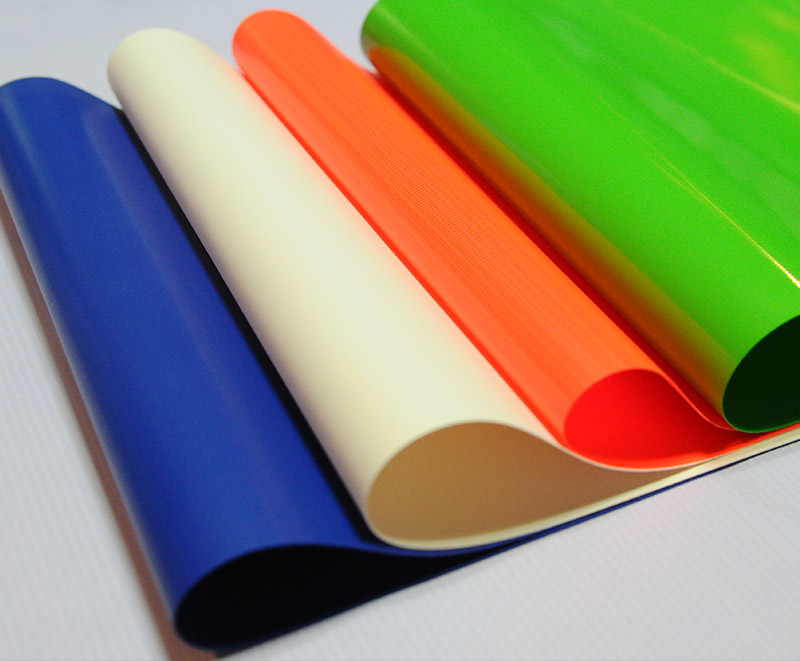 Heavy Duty Pvc Coated Tarpaulin Fabric
-
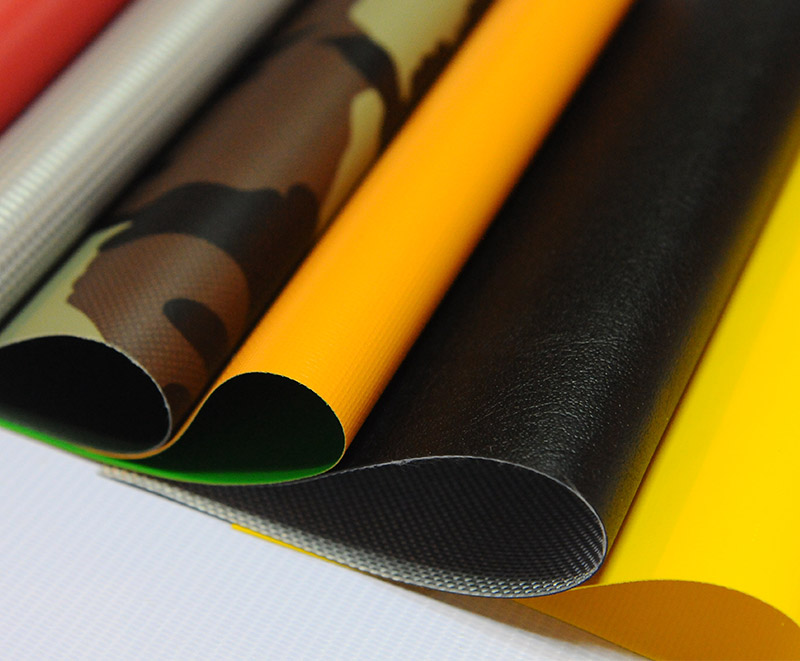 Pvc Coated Tarpaulin Fabric For Truck Cover/tent/boat
-
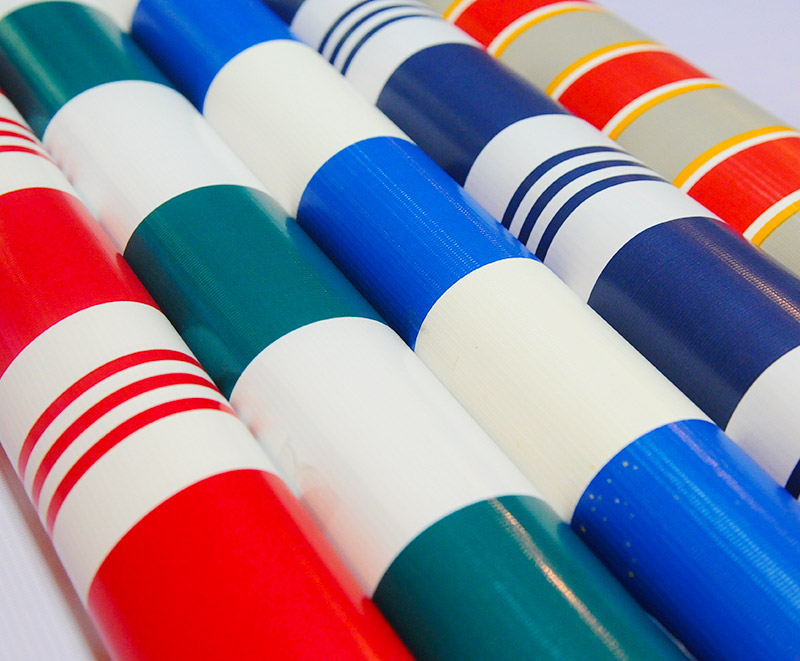 Pe Pvc Stripes Tarpaulin Roll Fabric Material
-
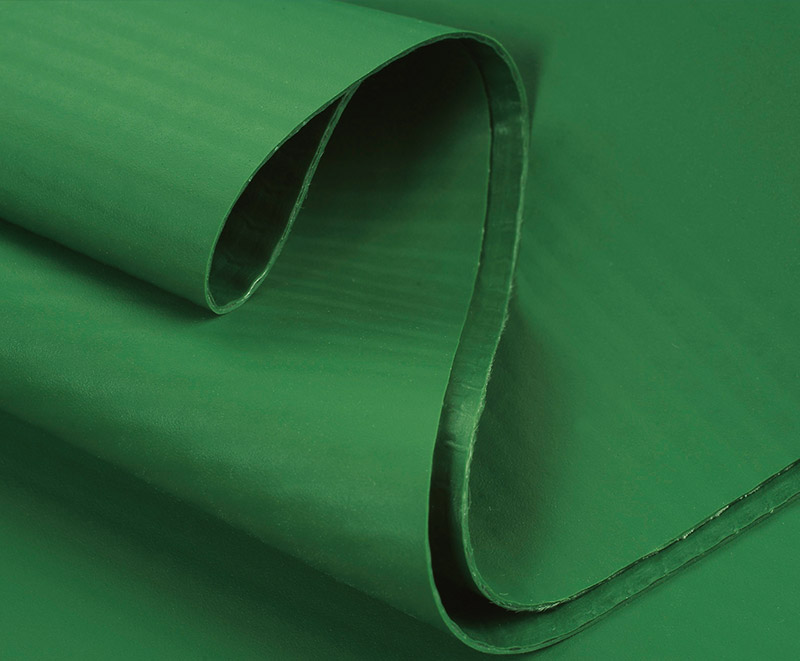 840d 1000d 1300d 1.02-3.20m Pvc Laminated Tarpaulin Fabric
-
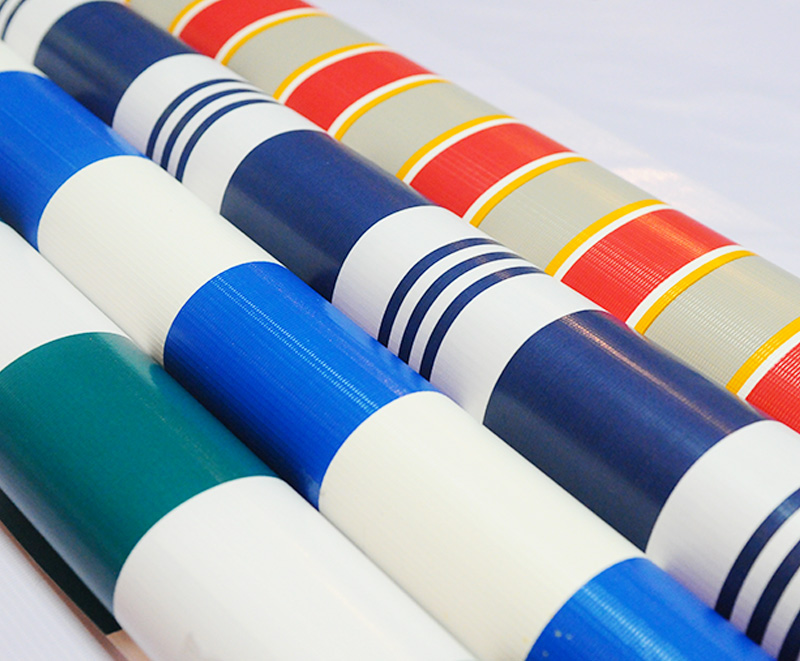 Colorful Printing Striped Tarpaulin Fabric Roll
Related News
- What Load-Bearing Capacity Does Coated Tarpaulin Fabric Have?
- The Benefits of Using PVC Coated Tarpaulin Fabrics
- PVC Coated Tarpaulin Fabric is a type of polymer-coated material
- Understanding the Versatility and Durability of Laminated Tarpaulin Fabric
- Coated tarpaulin fabric is a heavy-duty, waterproof material
Contact Info
 +86-573-88890126
 adam@ml-holding.cn
 No. 28, Shuguang Road, Tudian Town, Tongxiang City, Zhejiang Province, 314503, China
Quick Links
Product
Mobile qr Code
Copyright © Zhejiang Minglong New Material Technology Co., Ltd. All rights reserved.
Custom Digital Printing Banner Material Manufacturers
