 English

10/19/2023
Striped tarpaulin fabric is often used to create barriers or enclosures on construction sites
Striped tarpaulin fabric is a popular choice for creating barriers or enclosures on construction sites. Its durability and versatility make it an ideal material for protecting workers, equipment, and the surrounding environment from the hazards and debris that are often present during construction projects. In this article, we will explore the various uses and benefits of striped tarpaulin fabric in construction, as well as its different types and qualities.
One of the primary uses of striped tarpaulin fabric on construction sites is to create temporary enclosures or barriers. These enclosures can serve multiple purposes, such as containing dust and debris, preventing unauthorized access to hazardous areas, or protecting workers from the elements. By establishing a clear boundary between the construction site and the surrounding area, striped tarpaulin fabric helps to ensure the safety and efficiency of the project.
Striped tarpaulin fabric is commonly used to create dust and debris barriers during activities like concrete cutting, sandblasting, or demolition. These barriers prevent fine particles and hazardous materials from spreading to nearby areas, reducing the risk of respiratory problems and other health issues for workers and residents. Additionally, the visibility of the stripes on the tarpaulin fabric helps to warn people of potential hazards and create a clear line of demarcation.
Another important application of striped tarpaulin fabric is in creating containment areas for hazardous materials. During activities like asbestos removal or chemical spills, it is crucial to isolate the affected area to prevent the spread of contaminants. Striped tarpaulin fabric can be used in combination with temporary frames or scaffolding to create airtight enclosures, ensuring the safety of workers and preventing the release of toxic substances into the atmosphere.
In addition to creating barriers and enclosures, striped tarpaulin fabric is also utilized for protecting equipment and materials on construction sites. The fabric is often used as a covering for scaffolding, cranes, or construction vehicles, shielding them from rain, wind, and other weather elements. By preventing damage to expensive equipment, striped tarpaulin fabric helps to prolong its lifespan and reduce maintenance costs.
The durability of striped tarpaulin fabric is a significant factor that contributes to its popularity in construction. The fabric is typically made from a strong synthetic material such as polyethylene or PVC, which provides excellent resistance to tearing, UV rays, and harsh weather conditions. Moreover, striped tarpaulin fabric is lightweight and flexible, making it easy to handle and install on construction sites. Its high tensile strength allows it to withstand the rigors of construction activities and ensures that it remains in place, even in windy conditions.
When selecting striped tarpaulin fabric for construction purposes, it is essential to consider its quality and specifications. The fabric should have a high denier rating, indicating its thickness and strength, as well as a good GSM (grams per square meter) measurement, which determines its weight and durability. A fabric with a higher denier and GSM will generally provide better protection and last longer. It is also crucial to choose a fabric with reinforced hems and eyelets, which allows for secure fastening and prevents tearing.
While striped tarpaulin fabric is available in various colors, the use of stripes has become popular due to its practical advantages. The stripes not only enhance the visibility of the barriers or enclosures but also create a visually appealing and distinctive appearance. By using contrasting colors for the stripes, the fabric can be easily noticed from a distance, serving as a warning sign and a deterrent to unauthorized personnel.
Related Products
-
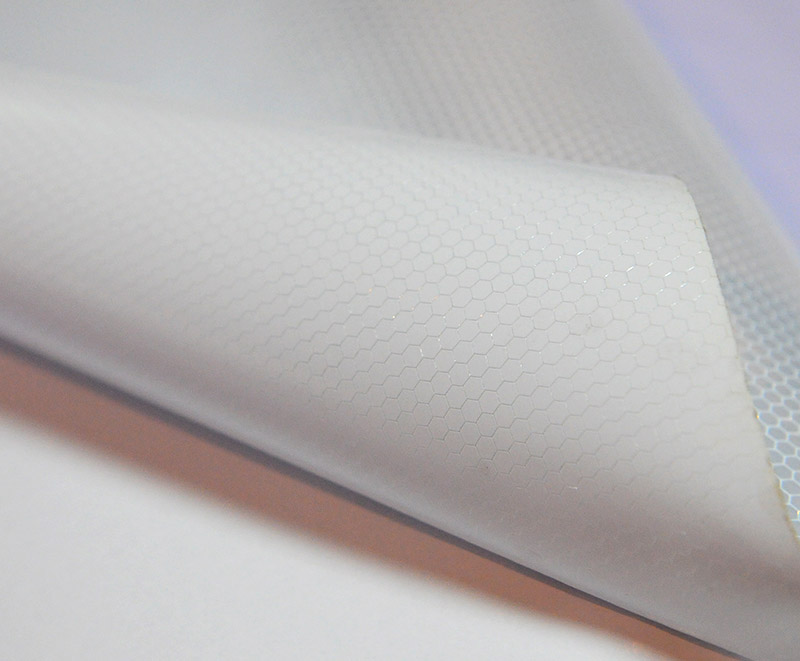 Reflective Banner Flex For Outdoor Advertisement Sign
-
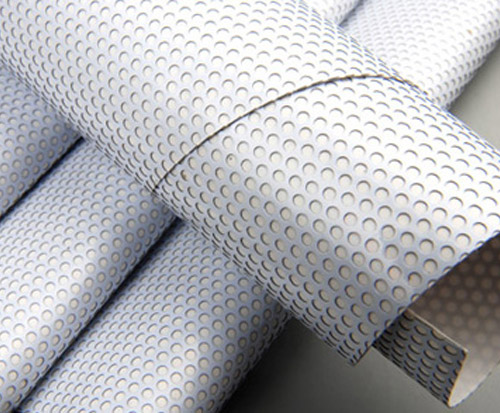 One Way Vision Vinyl Film Sticker
-
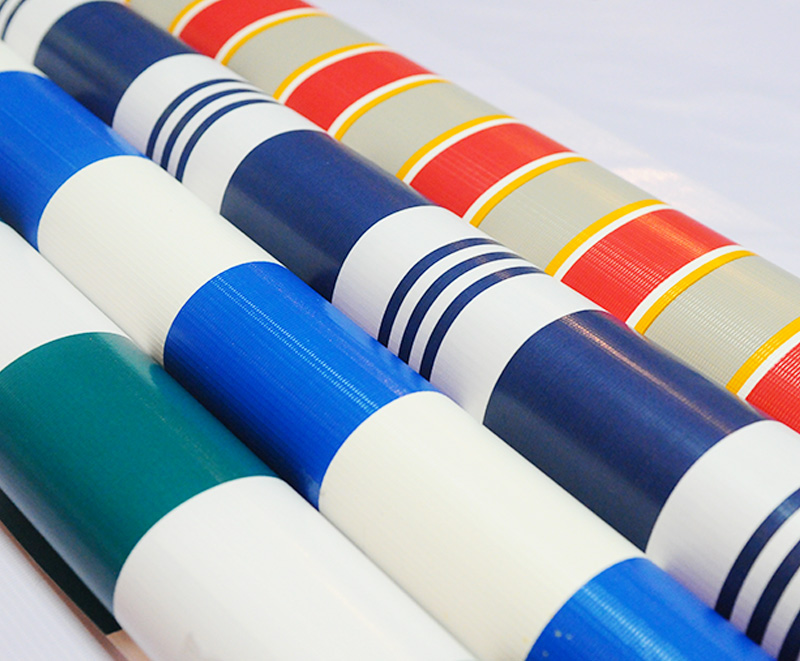 Colorful Printing Striped Tarpaulin Fabric Roll
-
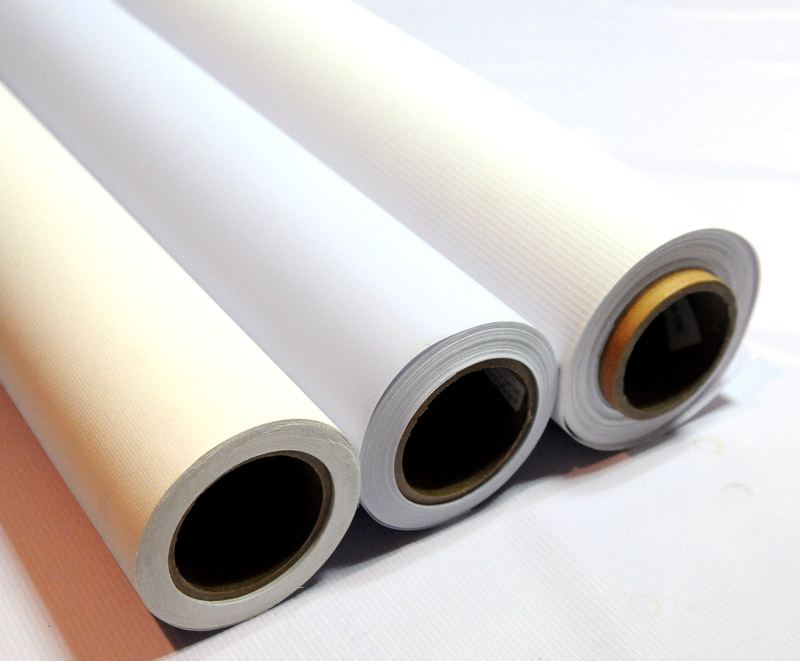 Hot/Cold Laminated Frontlit & Backlit Flex Banner
-
 White Reflective Honeycomb Vinyl Sticker Materials
Related News
- One of the most common applications for PVC tarpaulins is the construction site
- What equipment is needed for the entire production line to produce PVC calendered film?
- The different types of flex banner material for sale will depend on what you need to accomplish
- One Way Vision Vinyl for Advertising on Transparent Surfaces
- A Brief Introduction to One Way Vision
Contact Info
 +86-573-88890126
 adam@ml-holding.cn
 No. 28, Shuguang Road, Tudian Town, Tongxiang City, Zhejiang Province, 314503, China
Quick Links
Product
Mobile qr Code
Copyright © Zhejiang Minglong New Material Technology Co., Ltd. All rights reserved.
Custom Digital Printing Banner Material Manufacturers
