 English

Extend the Life of Your PVC Tarpaulin: 5 Maintenance Tips
Content
The lifespan of a PVC tarpaulin can be significantly extended when it is properly cleaned, stored, and protected from physical and environmental stress. Most premature damage is not caused by material failure but by neglect, improper handling, and poor maintenance habits.
With consistent care, a PVC tarpaulin can maintain its flexibility, waterproof performance, and structural integrity for a much longer period, reducing replacement frequency and ensuring reliable protection in outdoor and industrial use.
Regular Cleaning to Prevent Surface Degradation
Dirt, dust, and chemical residues can gradually weaken the protective coating of PVC tarpaulin materials. Regular cleaning helps preserve surface elasticity and waterproof performance.
Effective Cleaning Practices
- Use clean water to remove loose dirt before it hardens.
- Apply mild, non-abrasive cleaning solutions to avoid surface damage.
- Avoid harsh chemicals that can weaken PVC coating integrity.
Keeping the surface clean helps maintain material flexibility and weather resistance over time.
Proper Drying and Moisture Control
Moisture trapped during storage or folding can mold formation and material weakening. Ensuring complete drying is essential before storing PVC tarpaulin.
Key Drying Guidelines
- Air-dry completely before folding or rolling.
- Avoid prolonged exposure to direct high heat during drying.
- Ensure both surfaces are fully dry, including seams and folds.
Proper moisture control helps prevent mold growth and premature material fatigue.
Safe Storage Practices for Longevity
Storage conditions directly affect the durability of PVC tarpaulin. Exposure to sunlight, humidity, or pressure during storage can shorten its usable life.
Recommended Storage Conditions
- Store in a cool, dry, and shaded environment.
- Avoid stacking heavy objects on folded tarpaulin sheets.
- Keep away from sharp tools or abrasive surfaces.
Proper storage helps preserve structural strength and coating stability for extended use.
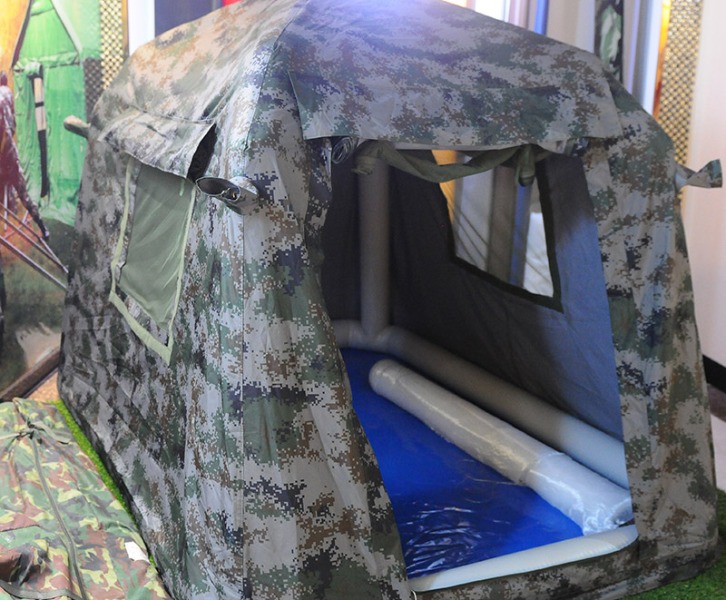
Avoiding Mechanical Damage and Overstretching
PVC tarpaulin can lose its integrity when exposed to excessive pulling, sharp edges, or repeated mechanical stress. Careful handling is essential during installation and use.
Handling Precautions
- Avoid stretching beyond its intended tension capacity.
- Protect contact points from sharp or abrasive edges.
- Distribute load evenly during installation.
Reducing mechanical stress helps maintain tear resistance and overall durability.
Routine Inspection and Minor Repairs
Regular inspection allows early detection of small issues such as surface wear, loose edges, or minor punctures before they expand into serious damage.
Inspection Focus Areas
- Check seams and edges for early signs of separation.
- Inspect surface for punctures or abrasion marks.
- Repair small defects promptly to prevent expansion.
Timely maintenance ensures long-term reliability and consistent waterproof performance.

 +86-573-88890126
 adam@ml-holding.cn
 No. 28, Shuguang Road, Tudian Town, Tongxiang City, Zhejiang Province, 314503, China
Copyright © Zhejiang Minglong New Material Technology Co., Ltd. All rights reserved.
Custom Digital Printing Banner Material Manufacturers
