 English
 CN
CN ES
ES 86-573-88890126
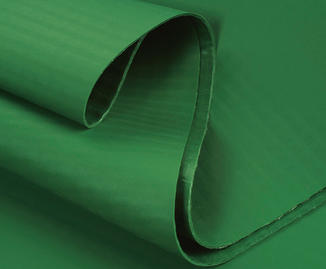
When it comes to safeguarding high-value equipment, agricultural yields, or industrial sites, the choice of protective covering is not merely a matter of convenience; it is a critical decision in risk management. Among the various materials available in the textile industry, the heavy duty pvc tarp has emerged as the gold standard for resilience. Engineered to withstand the unforgiving environmental stressors, these tarps offer a sophisticated balance of chemical stability and mechanical strength.
Exceptional Hydrophobic Integrity
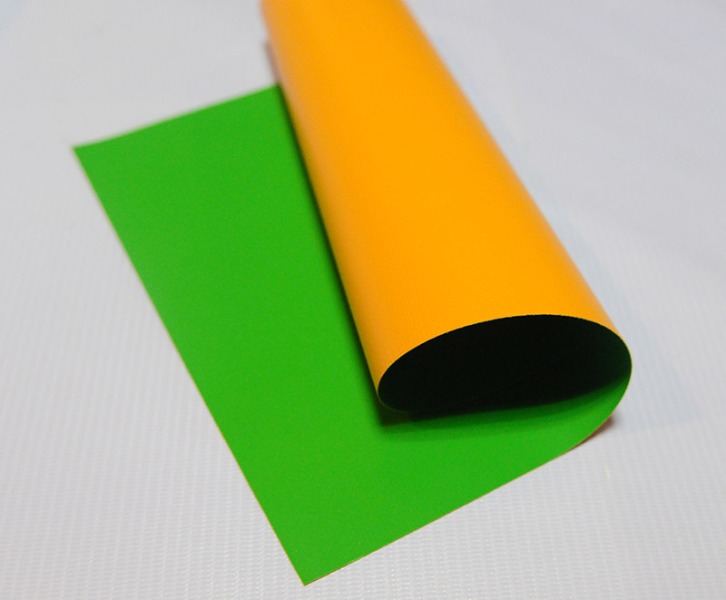
The immediate threat in weather is water ingress. Standard woven materials often rely on thin coatings that can delaminate under pressure. In contrast, a heavy duty pvc tarp is constructed through a process of liquid PVC coating or lamination onto a high-tenacity polyester base cloth. This creates a non-porous surface that is entirely impervious to water.
Under conditions of torrential rain or heavy snow accumulation, the material maintains its structural integrity without “wicking”—the process where moisture seeps into the internal fibers. This ensures that whatever is beneath the cover remains bone-dry, preventing rust, mold, and water damage.
UV Stabilization and Thermal Resistance
Extreme heat and prolonged sun exposure are often more damaging to synthetic fabrics than cold. Ultraviolet (UV) radiation breaks down molecular bonds in lower-quality plastics, causing brittleness and “chalking.”
Professional-grade heavy duty pvc tarp products are treated with advanced UV inhibitors. These additives absorb or reflect harmful rays, ensuring the fabric remains flexible and vibrant even after years of exposure. Furthermore, the thermal stability of PVC allows it to function across a vast temperature gradient.
| Weather Variable | Impact on Standard Material | PVC Tarp Performance |
|---|---|---|
| Direct Sunlight | Cracking and discoloration | UV-resistant; maintains flexibility |
| High Heat | Softening or warping | Thermal stability up to 70°C |
| Freezing Cold | Becomes brittle and snaps | Cold-crack resistance down to -40°C |
Superior Tear and Tensile Strength
Extreme weather often brings high-velocity winds. A protective cover acts like a sail; if the material lacks sufficient tensile strength, the wind will eventually find a weak point or a small puncture and transform it into a catastrophic tear.
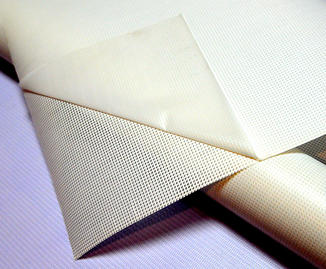
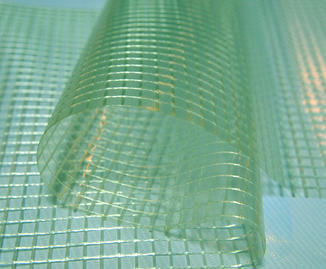
The internal “scrim” or mesh of a heavy duty pvc tarp is typically made from high-denier polyester. This internal skeleton provides the necessary resistance to withstand pulling forces. Because the PVC coating is deeply integrated with this mesh, the tarp exhibits “tear-stop” properties—meaning even if a small puncture occurs, the surrounding weave prevents the hole from expanding under wind pressure.
Chemical and Pollutant Inertia
Extreme weather isn’t just about wind and water; it often involves environmental pollutants. Coastal areas deal with corrosive salt spray, while industrial zones may face acid rain or chemical fallout.
Polyvinyl Chloride is naturally resistant to a wide array of chemicals, oils, and greases. This chemical inertia ensures that the heavy duty pvc tarp does not degrade when exposed to harsh substances. It also features an easy-clean surface; the smooth finish allows dirt and pollutants to wash away with simple rainwater or light pressure washing, preventing the buildup of abrasive grime that could wear down the material over time.
Longevity and Cost-Efficiency
While the initial investment in a heavy duty pvc tarp may be higher than that of lightweight polyethylene alternatives, the lifecycle cost is significantly lower. In climates, lightweight tarps often require replacement every few months. A heavy duty PVC solution is designed for multi-year deployments.
The durability stems from the weldable nature of the material. Unlike stitched seams, which create thousands of tiny needle holes for water and wind to exploit, PVC can be heat-welded or high-frequency welded. This creates a seam that is actually stronger than the fabric itself, ensuring the cover remains a single, cohesive unit throughout its operational life.
Conclusion
Navigating the challenges of weather requires materials that refuse to compromise. The heavy duty pvc tarp stands out as an engineered solution for those who prioritize long-term protection and reliability. By combining waterproofing, UV protection, and immense physical strength, it remains the definitive choice for industrial, agricultural, and commercial sectors worldwide.