 English
 CN
CN ES
ES 86-573-88890126
Conclusion: Heavy duty PVC tarps significantly outperform regular tarps in durability, tensile strength, weather resistance, and service life. For long-term outdoor coverage, industrial protection, or harsh weather (strong winds, heavy rain, continuous UV), a heavy duty PVC tarp is the only reliable choice. Regular tarps are only suitable for short-term, light-duty, temporary covering (e.g., household items or light cargo). Data shows: a quality heavy duty PVC tarp can last 5–10 years on average, whereas a regular tarp typically shows visible aging or tearing within 6–18 months. Below is a detailed technical comparison to help you make an accurate purchasing decision.
1. Material Structure & Thickness Differences
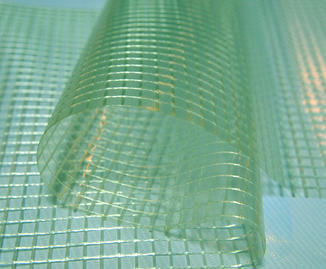
Heavy duty PVC tarps use high-density polyester woven mesh as the base fabric, double-sided coated or laminated with polyvinyl chloride (PVC) through hot melt or calendering processes, forming a dense composite material. Typical thickness ranges from 0.5 mm to 1.0 mm, with grammage usually between 500–900 gsm. Regular tarps are made of low-density polyethylene (LDPE) or polypropylene (PP) plain weave, with single-sided coating or simple lamination, thickness only 0.1–0.3 mm and grammage below 200 gsm.
- Base fabric strength: Heavy duty PVC uses 1000D–2000D high-tenacity industrial yarn; regular tarps mostly use below 500D recycled material.
- PVC coating process: Heavy duty products use calendering or knife coating, achieving uniform thickness and full integration with the base fabric; regular tarps use simple extrusion coating that easily peels off.
- Flame retardancy: Most heavy duty PVC tarps achieve B1/B2 class (self-extinguishing); regular tarps have no flame retardant requirement.
2. Durability & Real-World Service Life
In real outdoor environments, the anti-aging capability of heavy duty PVC tarps is 5–8 times that of regular tarps. Taking continuous UV exposure tests: after 1000 hours in QUV accelerated aging testing, heavy duty PVC tarps retain over 85% of their tensile strength; regular tarps become brittle and chalk after only 300 hours. In low temperatures, heavy duty PVC tarps remain flexible from -30°C to +70°C, while regular tarps harden and crack below 0°C.
Actual service life reference:
- Heavy duty PVC tarp: Continuous outdoor industrial use: 5–10 years (e.g., coal yard covers, truck dump tarps).
- Regular tarp: Intermittent household use: 6–18 months (covering garden furniture, temporary lumber).
3. Waterproofing & Weather Resistance
Heavy duty PVC tarps are fully watertight, with hydrostatic head values typically exceeding 2000 mmH₂O. All seams are high-frequency welded or hot-air welded, leaving no needle holes. The surface is treated with anti-mold, UV-stabilized, and acid/alkali resistant finishes, resisting industrial pollution and saltwater corrosion. Regular tarps rely on simple stitching or ultrasonic spot welding; needle holes inevitably leak. They are only water-repellent (hydrostatic head usually below 500 mmH₂O) and will leak after 2 hours of continuous rain.
In weather tests, heavy duty PVC tarps withstand continuous flapping at 120 km/h wind speed without tearing (meeting EN/ISO standards); regular tarps experience grommet pull-out, fabric bulging, or tearing at 50 km/h wind pressure.
4. Tear Strength & Load-Bearing Capacity
Using the trapezoidal tear test method: heavy duty PVC tarps achieve tear strength of 400 N – 800 N, depending on the base fabric specification; regular tarps typically have tear strength below 80 N. This means heavy duty tarps can withstand accidental cuts or stress concentrations without the tear propagating. In tensile strength, heavy duty PVC tarps commonly exceed 3000 N/5cm in warp/weft directions, while regular tarps are below 500 N/5cm.
Example load: A 2 m x 2 m lifting sling made from heavy duty PVC tarp can safely lift 1.5 tons of bulk material; the same size regular tarp can bear only about 80 kg and will rapidly deform and fail.
5. Application Scenarios: When Heavy Duty PVC Tarps Are Mandatory
Based on the performance differences above, the following scenarios absolutely require heavy duty PVC tarps; using regular tarps creates safety hazards or frequent replacement losses:
- Industrial / commercial logistics: Flatbed truck waterproof covers, container top covers, railway bulk cargo dust prevention.
- Large machinery protection: Excavators, generators, agricultural harvesters in long-term outdoor storage.
- Construction & engineering: Scaffolding wraps, concrete curing covers, aggregate pile covers (wind-resistant and puncture-resistant).
- Special environments: Chemical plant anti-corrosion covers, port salt spray environments, cold-region winter equipment protection.
- Safety & compliance: Flame-retardant required public event temporary roofs, oil depot fire barriers.
Regular tarps are only suitable for: indoor dust protection, one-time moving covers, short-term light furniture storage, exhibition temporary backdrops – scenarios with no load, no continuous wind or rain.
6. Technical Specification Comparison Table
| Property | Heavy Duty PVC Tarp | Regular Tarp |
|---|---|---|
| Base fabric | High-tenacity polyester (1000D-2000D) | LDPE or PP woven |
| Thickness range | 0.5 – 1.0 mm | 0.1 – 0.3 mm |
| Tear strength (N) | 400 – 800 N | ≤ 80 N |
| Hydrostatic head | >2000 mmH₂O (fully waterproof) | < 500 mmH₂O (water-repellent) |
| Temperature range | -30°C to +70°C | 0°C to +40°C |
| UV resistance (500h retention) | > 90% strength retained | Brittle / chalking |
| Seam technology | High-frequency / hot-air welded (no needle holes) | Sewn thread (leaks at stitches) |
7. Decision Flowchart: How to Choose the Right Tarp
- Start evaluation → Continuous outdoor exposure > 3 months?
- ├─ Yes → Need resistance to strong wind, heavy rain, or chemicals?
- │ ├─ Yes → Choose heavy duty PVC tarp (service life 5–10 years)
- │ └─ No → Just general dry covering? Heavy duty or reinforced regular, but heavy duty preferred for durability.
- └─ No → Indoor, single-use, or light dust protection?
- ├─ Yes → Regular tarp can meet temporary needs (replace within < 1 year)
- └─ No → Truck covers, long-term equipment storage → Must use heavy duty PVC tarp
Core conclusion: Any application requiring structural strength, waterproof integrity, and anti-aging performance – directly choose heavy duty PVC tarp; total cost of ownership is far lower than frequent replacement of regular tarps.
8. Frequently Asked Questions (FAQ)
Q: Are heavy duty PVC tarps much heavier than regular tarps? Does that affect handling?
Yes, heavy duty PVC tarps weigh about 4–5 times more per unit area (typical 700 gsm vs 150 gsm). However, industrial settings usually use grommets, straps, or winches for deployment – the weight translates to more than 10 times the tear resistance. For manual handling, medium thickness (0.45 mm) heavy duty PVC tarps with reinforced edges and handles are available.
Q: Can heavy duty PVC tarps be hot-repaired or custom welded?
Yes. Heavy duty PVC tarps support hot-air welding or PVC-specific adhesives for field repair. Regular tarps cannot be effectively welded once torn; stitching will quickly fail again.
Q: Is every PVC tarp considered “heavy duty”? How to distinguish grades?
No. A true heavy duty PVC tarp must meet: base fabric ≥ 1000D, total grammage ≥ 500 gsm, seams are welded, UV additive content ≥ 2%. Low-quality PVC tarps may only have 300D base and 300 gsm coating – those are “reinforced regular tarps”. Always request tensile test reports and thickness data when purchasing.
Q: Can a regular tarp treated with waterproof spray achieve the same waterproofness as heavy duty PVC?
No. Needle holes and the low-density base of regular tarps cannot be sealed by surface treatment. Waterproof spray only adds a surface beading effect; under pressure or standing water, leaks still occur. Heavy duty PVC’s needle-hole-free construction and continuous PVC layer provide true waterproof reliability.
Q: In coastal high-salt spray or chemical plant environments, are heavy duty PVC tarps corrosion resistant?
Yes, industrial-grade heavy duty PVC tarps are treated for acid/alkali and salt spray resistance, offering significant chemical resistance. Regular tarps become brittle and crack in salt spray environments within 2–3 months. Look for labels such as “acid/alkali resistant” or “industrial environment rated” when selecting heavy duty PVC products.