 English
Heavy Duty PVC Tarps: Key Features and Benefits for Industrial Use
Industrial-Grade Protection Starts with Heavy Duty PVC Tarps
Heavy duty PVC tarps deliver proven durability, waterproofing, and tear resistance that standard covers cannot match. With tensile strength exceeding 3500 N/5cm and coating weights from 500 to 900 grams per square metre, these tarps withstand extreme weather, chemical exposure, and mechanical abuse. They outlast polyethylene alternatives by four to six times in UV-rich or high-abrasion environments, reducing replacement costs and downtime. For logistics, construction, agriculture, and marine operations, heavy duty PVC tarps provide a reliable, long-term protective barrier.
Core Material Properties That Define Performance
Industrial grade PVC tarps are constructed from a high-tenacity polyester scrim (typically 500 to 1000 denier) that is laminated or coated on both sides with plasticised polyvinyl chloride. This three-layer composition delivers exceptional mechanical strength while maintaining flexibility.
Mechanical and Physical Specifications
- Tear resistance (trapezoid method): minimum 120 N in both warp and weft directions, exceeding industry standards for load securement.
- Adhesion strength: coating-to-scrim bond strength of at least 8 N/cm ensures no delamination under repeated folding or tension.
- Cold crack resistance: passes the minus 30 degrees Celsius flex test, remaining pliable in freezing conditions.
- Hydrostatic resistance: waterproof rating of 2000 mm H2O column, impervious to heavy rain and standing water.
Chemical and Environmental Endurance
- Resistant to most acids, alkalis, oils, and industrial solvents as per ISO 5981 testing.
- UV stabilisers (HALS and benzotriazole) provide proven weathering endurance of over 1500 accelerated hours without significant tensile loss.
- Flame-retardant grades meet NFPA 701 and CAN/ULC-S109 requirements for fire safety.
- Anti-mildew and anti-rot additives prevent biological degradation in humid or wet conditions.
Industrial Applications and Practical Benefits
Heavy duty PVC tarps serve a wide range of sectors. Their combination of strength, flexibility, and weather resistance makes them indispensable for:
- Transportation and logistics – flatbed truck covers, side curtains, and container liners that protect cargo from rain, dust, and wind during transit.
- Construction and infrastructure – scaffolding enclosures, concrete curing covers, and temporary shelter systems that withstand onsite debris and weather.
- Agriculture and storage – hay, grain, and silage covers that prevent spoilage from moisture and pests.
- Mining and heavy industry – ventilation curtains, equipment covers, and containment booms for oil and chemical spills.
In all these applications, the tarps reduce operational risks. Properly secured with reinforced hems and D-rings, they resist wind loads up to 120 kilometres per hour. Their repairable nature extends service life to 8-10 years under moderate use, offering a total cost of ownership that is roughly 40 percent lower than that of disposable polyethylene covers.
Technical Comparison: Heavy Duty PVC vs. Alternative Materials
The following benchmark data, based on ASTM D5034 and D4533 test methods, highlights why PVC tarps are preferred for demanding industrial roles.
The data confirms that heavy duty PVC tarps provide superior performance across all critical metrics, making them the most cost-effective choice for long-term industrial use.
Selection and Care Workflow
Follow this straightforward process to ensure optimal performance and longevity from your heavy duty PVC tarps.
Step 1 – Assess the operating environment
Consider exposure to UV, rain, chemicals, and temperature extremes.
Step 2 – Choose the appropriate weight (GSM)
500-650 gsm for general industrial use, 650-800 gsm for heavy transport and construction, 800+ gsm for extreme-duty applications.
Step 3 – Verify edge reinforcement and attachment points
Ensure hems are double-stitched or heat-sealed, with D-rings or grommets spaced according to load requirements.
Step 4 – Install with proper tension and securement
Avoid over-tensioning, which can stress seams; use tie-down straps or ropes at recommended intervals.
Step 5 – Conduct regular inspections and cleaning
Check for abrasions, seam separation, or UV cracking every 3 to 6 months. Clean with mild soap and water, rinse thoroughly, and allow to dry before storage.
Routine maintenance can extend service life significantly. Minor punctures are easily repaired with heat-activated PVC patch kits, restoring full strength and waterproof integrity.
Frequently Asked Questions
What weight (GSM) is considered heavy duty for PVC tarps?
Industrial heavy duty starts at 500 grams per square metre, with 650 to 750 gsm being the most common range for general industrial use. Grades above 800 gsm are used for extreme-duty applications requiring maximum abrasion and puncture resistance.
Can heavy duty PVC tarps withstand sub-zero temperatures?
Yes. Formulated with low-temperature plasticisers, these tarps remain flexible and crack-free down to minus 30 degrees Celsius, as verified by standard cold-bend tests.
How do I clean and store a PVC tarp properly?
Use a soft brush with mild soap and water. Avoid solvents or abrasive cleaners. Rinse thoroughly, let it dry completely, then fold and store in a cool, dry place away from direct sunlight to prevent UV degradation.
Are these tarps repairable if they get torn?
Yes. Tears and punctures can be repaired using PVC patching material and either heat-welding or solvent-based adhesives. Properly applied repairs restore the tarp's waterproof and structural integrity.
What colour options are available and do they affect performance?
Common colours include olive green, black, white, and translucent. Darker shades absorb more UV but also retain heat, while white reflects sunlight and keeps covered items cooler. Choose based on your specific thermal and visibility needs.
Long-Term Value and Sustainability
Heavy duty PVC tarps are a sustainable choice for industrial operations. With a service life of 6 to 10 years, they significantly reduce waste compared to disposable polyethylene covers. Their repairability extends product life cycles, lowering the frequency of replacements. Furthermore, many PVC materials are recyclable through specialised industrial recycling programs. By investing in high-quality PVC tarps, businesses not only gain reliable protection but also contribute to reduced environmental impact and lower total cost of ownership.
-
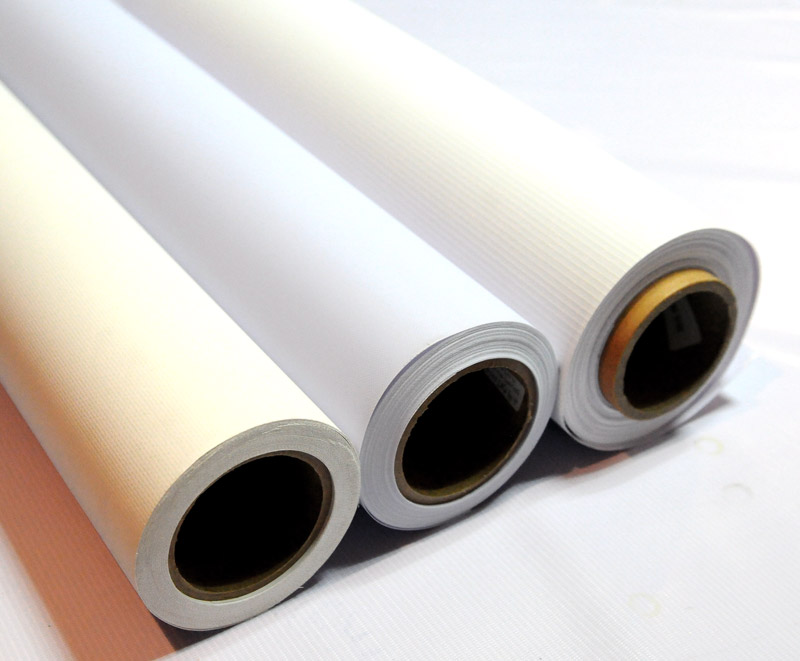 Hot/Cold Laminated Frontlit & Backlit Flex Banner
-
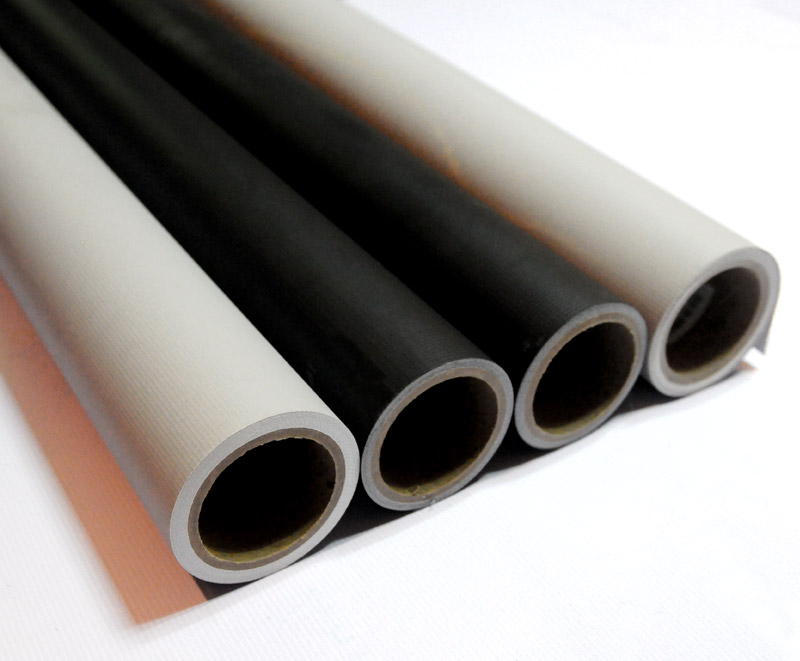 Pvc Blockout Flex Banner Roll Material
-
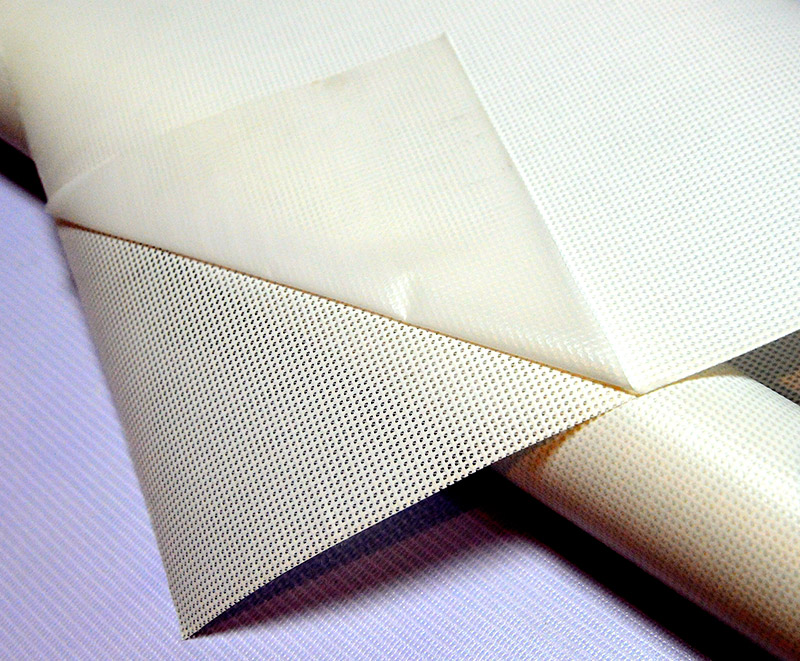 Pvc Liner Mesh Banner Material Roll
-
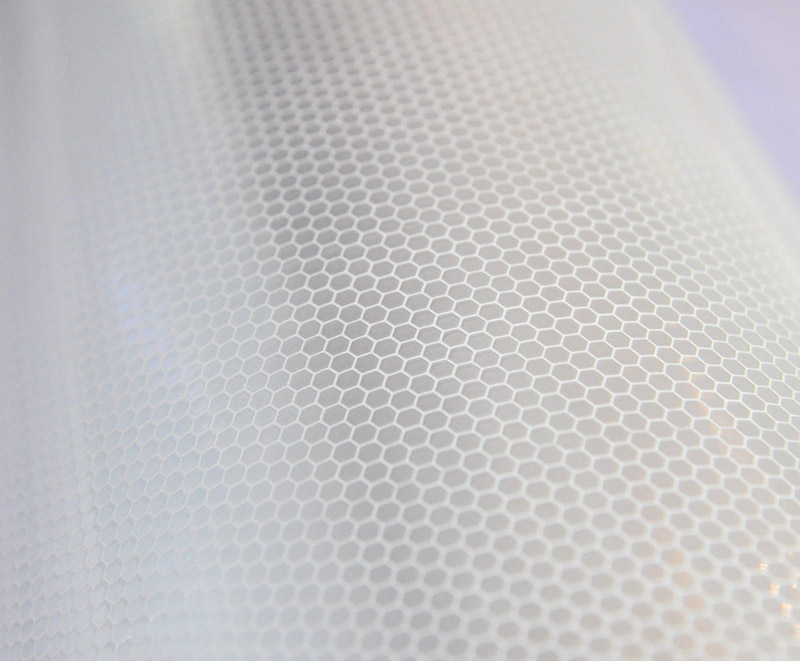 White Reflective Honeycomb Vinyl Sticker Materials
-
 Reflective Banner Flex For Outdoor Advertisement Sign
-
 Printable Reflective Banner Vinyl Roll Material
-
 Pe Pvc Stripes Tarpaulin Roll Fabric Material
-
 840d 1000d 1300d 1.02-3.20m Pvc Laminated Tarpaulin Fabric
-
 Rigid PVC Super Clear Stretch Film
-
 Digital Printing Vinyl
-
 One Way Vision Vinyl Film Sticker
-
 White Transparent Black Grey Self Adhesive Printable Vinyl
-
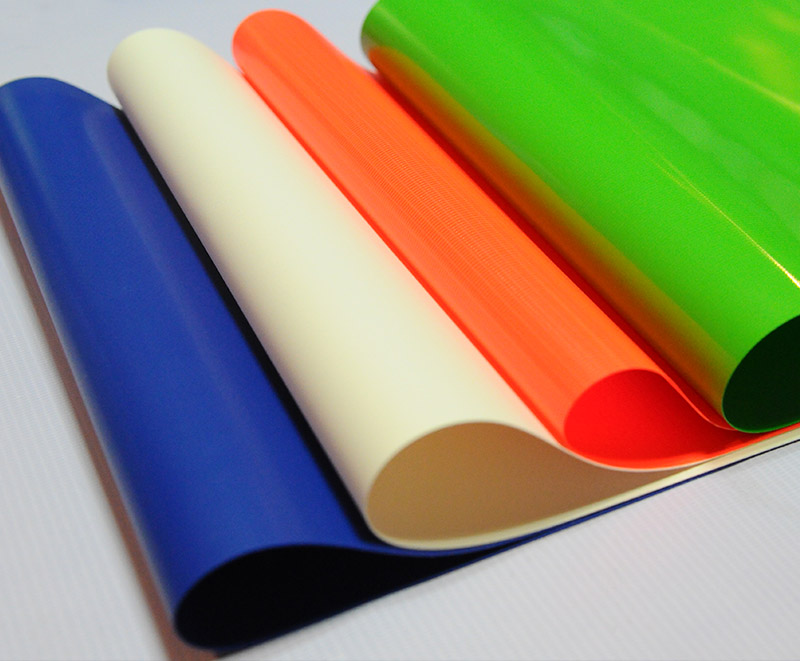 Heavy Duty Pvc Coated Tarpaulin Fabric
-
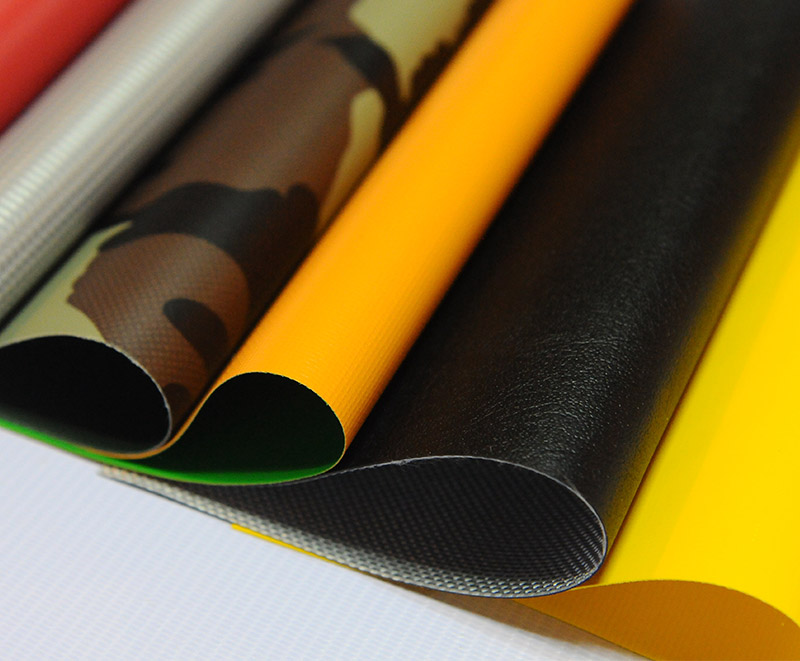 Pvc Coated Tarpaulin Fabric For Truck Cover/tent/boat
-
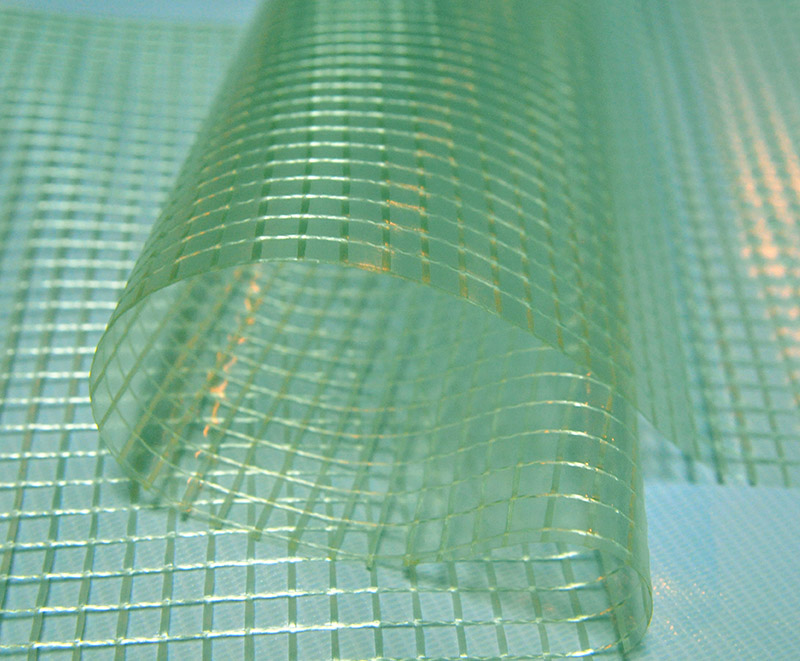 Green White Transparent Clear Poly Pvc Laminated Mesh Tarp
-
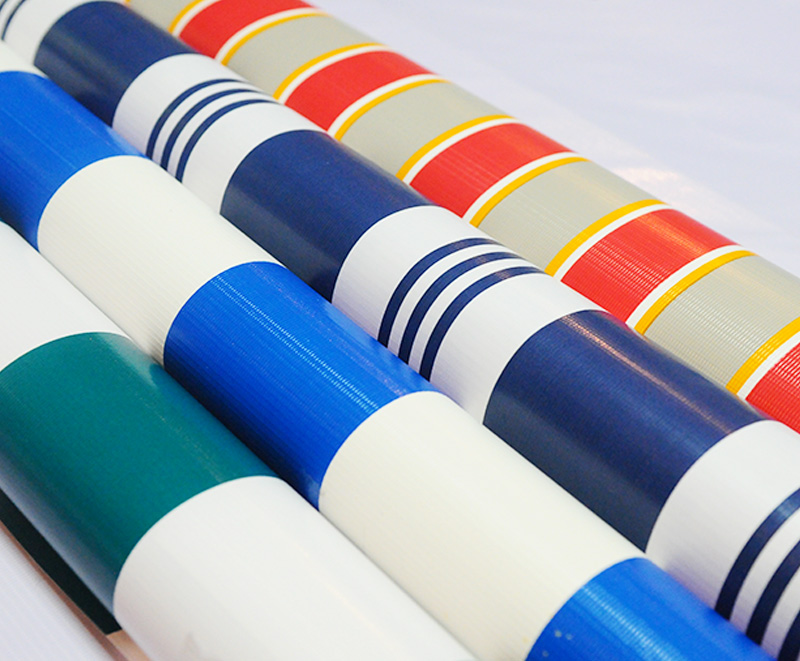 Colorful Printing Striped Tarpaulin Fabric Roll
-
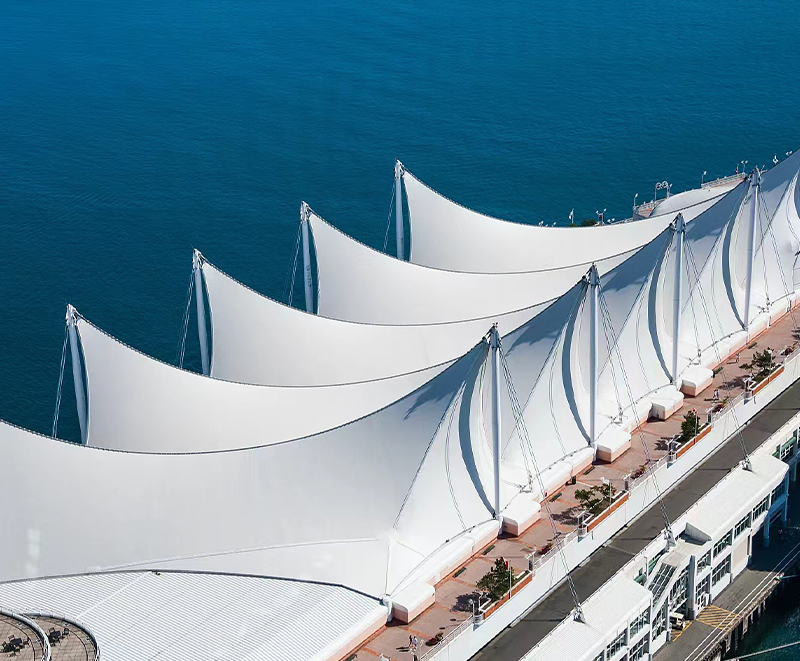 Knife-coated Membrane Material
-
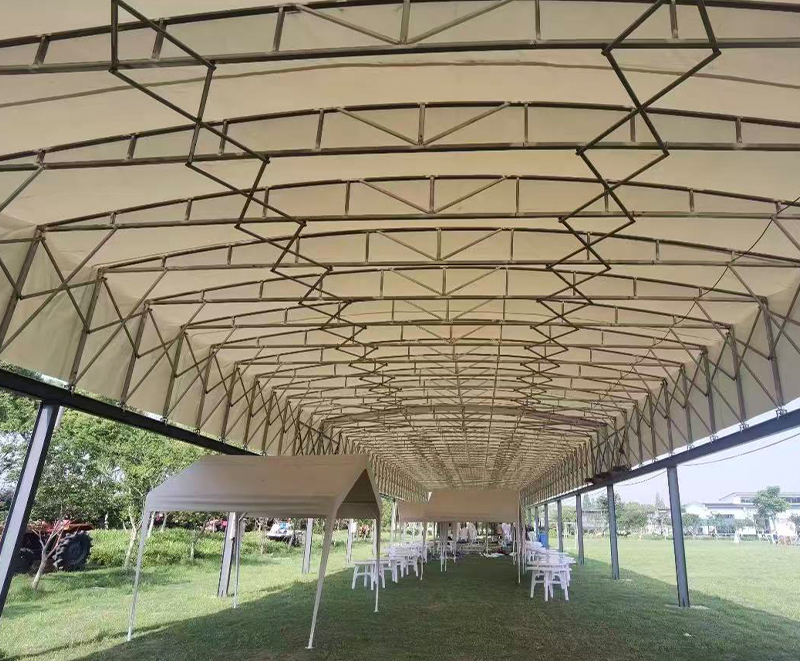 Knife-coated Retractable awnings
-
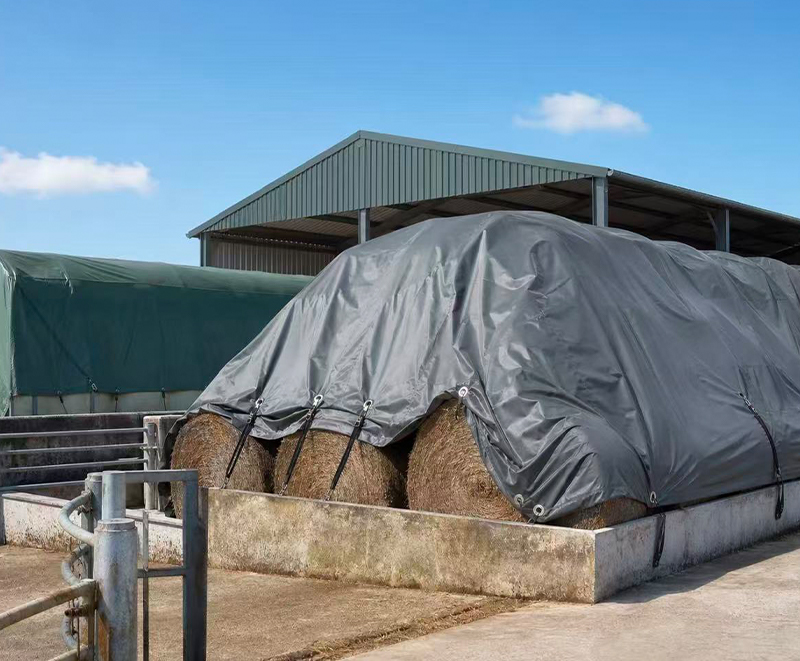 Industrial-Grade covering tarpaulin
-
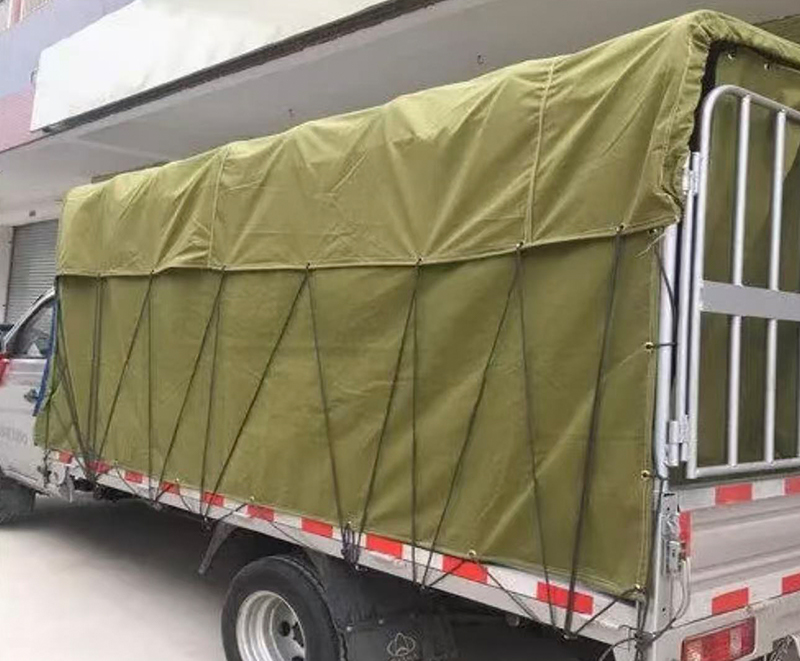 PVC Truck tarpaulin
 +86-573-88890126
 adam@ml-holding.cn
 No. 28, Shuguang Road, Tudian Town, Tongxiang City, Zhejiang Province, 314503, China
Copyright © Zhejiang Minglong New Material Technology Co., Ltd. All rights reserved.
