 English
 CN
CN ES
ES 86-573-88890126
Tarpaulins, commonly known as tarps, are an essential tool for protecting goods and equipment from the elements in various industries. With many types of tarpaulin materials available on the market, it’s important to understand the differences in durability, functionality, and performance. Among the popular options is the heavy duty PVC tarp, which is often preferred for its strength and versatility.
Overview of Heavy Duty PVC Tarps
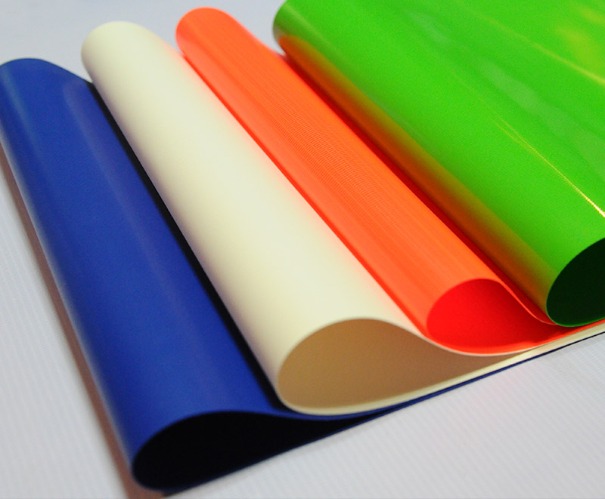
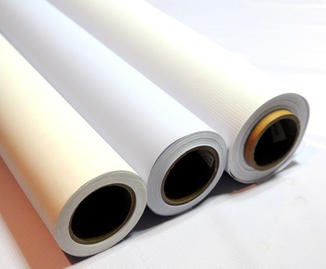
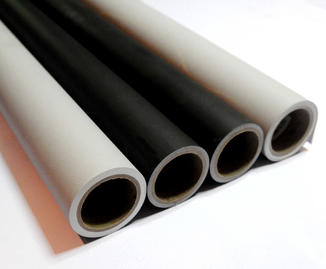
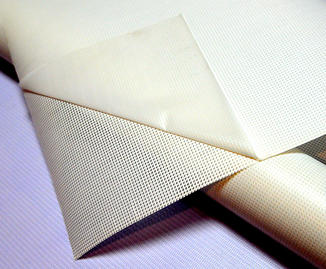
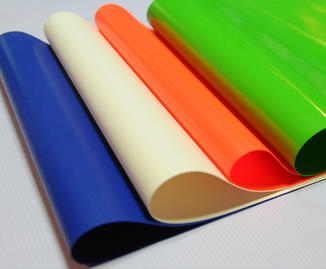
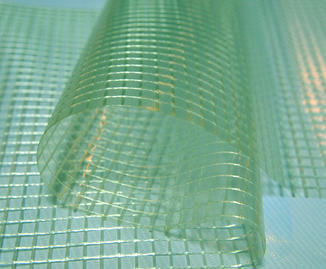
A heavy duty PVC tarp is a robust and durable material commonly used for outdoor applications. Made from a combination of polyester fabric and a PVC coating, these tarps are known for their strength, waterproof properties, and resistance to weather conditions. They are ideal for use in industries where heavy-duty protection is required, such as construction, agriculture, and logistics.
One of the defining features of PVC tarps is their flexibility and ability to resist abrasion, UV rays, and chemicals. This makes them suitable for a wide range of applications, from covering equipment and materials to providing shelter in outdoor environments.
Comparing Heavy Duty PVC Tarps with Other Materials
To truly understand the advantages of heavy duty PVC tarps, it’s essential to compare them with other commonly used tarpaulin materials.
PVC vs. Polyethylene Tarps
Polyethylene (PE) tarps are often considered a more affordable alternative to PVC tarps. However, they do not offer the same level of durability and protection. The key differences between PVC and polyethylene include:
| Feature | Heavy Duty PVC Tarp | Polyethylene Tarp |
|---|---|---|
| Durability | Extremely durable, resistant to tearing and puncturing | Less durable, prone to wear and tear over time |
| Water Resistance | Excellent waterproofing properties | Good waterproofing but can degrade faster |
| UV Resistance | High UV resistance, preventing degradation under sunlight | Moderate UV resistance, can break down quickly when exposed to sunlight |
| Temperature Resistance | Can withstand temperatures | Less effective at temperatures |
| Weight | Heavier, suitable for long-term applications | Lighter, easier to handle for short-term use |
While polyethylene tarps may suffice for temporary or light-duty uses, they are not as durable as PVC tarps and are more likely to wear out under harsh conditions. Heavy duty PVC tarps, on the other hand, are built to withstand the elements over extended periods.
PVC vs. Canvas Tarps
Canvas tarps are often used for their breathability and aesthetic appeal, but they are not as suited for high-stress environments as PVC tarps. Here’s how they compare:
| Feature | Heavy Duty PVC Tarp | Canvas Tarp |
|---|---|---|
| Durability | Strong and durable, resistant to tearing | Prone to wear and tear over time |
| Water Resistance | Waterproof, ideal for heavy rain and storms | Water-resistant, but can absorb moisture |
| Breathability | Less breathable, which can condensation underneath | Highly breathable, ideal for outdoor use in dry conditions |
| Weight | Heavier, suitable for industrial applications | Lighter, more suitable for casual or short-term use |
| Ease of Cleaning | Easy to clean, can be wiped down easily | Requires more effort to clean, especially when wet |
While canvas tarps are often used in applications where breathability is needed, PVC tarps excel in environments that demand weather protection, making them the preferred choice for heavy-duty use.
The Advantages of Heavy Duty PVC Tarps
Enhanced Durability
One of the primary advantages of heavy duty PVC tarps is their enhanced durability. The polyester base fabric provides a strong core, while the PVC coating adds a layer of protection against moisture, UV rays, and temperatures. This makes them ideal for outdoor storage, construction sites, and other areas where exposure to harsh conditions is common.
Versatility
PVC tarps are versatile and can be used in a variety of settings. From agriculture to construction and beyond, these tarps provide coverage for machinery, equipment, and goods. Their ability to resist chemicals and other harsh substances makes them for industrial environments.
Long-Term Cost Efficiency
While heavy duty PVC tarps may have a higher upfront cost compared to polyethylene or canvas tarps, their long lifespan and protection make them a more cost-effective option in the long run. Businesses that require reliable weather protection will save money by choosing durable materials that do not need frequent replacement.
Common Applications of Heavy Duty PVC Tarps
Heavy duty PVC tarps are used in a wide range of industries, including:
- Construction: To cover building materials and equipment, protecting them from the elements.
- Agriculture: To cover crops or machinery, shielding them from rain and sun.
- Logistics: To cover loads on trucks and trailers, ensuring safe transport in all weather conditions.
- Outdoor Events: To provide shelter and protection for festivals, exhibitions, and other gatherings.
Their durability and adaptability make them the go-to option for applications that require a strong, long-lasting tarp.
Factors to Consider When Choosing Heavy Duty PVC Tarps
When selecting a heavy duty PVC tarp, there are a few important factors to keep in mind:
- Size and Coverage: Ensure that the tarp is large enough to cover the intended area without compromising on the quality of protection.
- Thickness: Thicker tarps tend to offer better durability and resistance to wear and tear, but they may also be heavier and more difficult to handle.
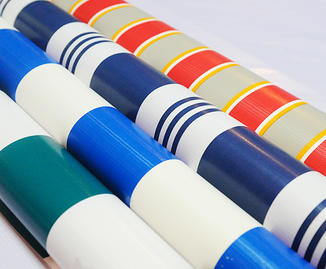
- Color: While color may not affect performance, certain colors (like dark green or black) are better at absorbing UV rays, offering more resistance to sunlight.
Choosing the right tarp for your needs will depend on the specific conditions in which it will be used, as well as your budget and long-term requirements.
Conclusion
Heavy duty PVC tarps stand out as the preferred option for those who require durable, long-lasting, and reliable weather protection. While other materials like polyethylene and canvas may offer some benefits, PVC tarps provide resistance to the elements, making them a choice for both industrial and commercial applications.
FAQ
1. What are the main benefits of using a heavy duty PVC tarp?
Heavy duty PVC tarps offer durability, water resistance, and UV protection, making them ideal for harsh outdoor conditions. They are versatile and can be used across various industries, from construction to agriculture.
2. How do PVC tarps compare to canvas tarps in terms of weather resistance?
PVC tarps are significantly more weather-resistant than canvas tarps. They offer waterproofing, UV resistance, and durability, making them more suitable for weather conditions.
3. Can heavy duty PVC tarps be used for long-term outdoor storage?
Yes, heavy duty PVC tarps are designed to withstand long-term outdoor exposure. Their waterproof and UV-resistant properties make them a choice for covering outdoor equipment, machinery, and materials.
4. Are PVC tarps easy to clean and maintain?
Yes, PVC tarps are relatively easy to clean. They can be wiped down or hosed off, making them low-maintenance compared to other materials like canvas.
5. What factors should I consider when choosing a heavy duty PVC tarp?
When choosing a heavy duty PVC tarp, consider factors such as size, thickness, color, and the specific conditions in which the tarp will be used. Make sure the tarp meets your needs for durability and protection.