 English

09/27/2023
Laminated tarpaulin fabric can often be heat welded or seamed
Laminated tarpaulin fabric can often be heat welded or seamed to create strong and durable connections between two or more pieces of the fabric. Heat welding, also known as heat sealing or hot air welding, is a common method used to join sections of laminated tarpaulin together.
Here's how heat welding or seaming typically works with laminated tarpaulin fabric:
Prepare the Fabric: Ensure that the sections of tarpaulin you want to join are clean and free from dirt, dust, and debris. Trim any rough edges if necessary.
Heat Welding Equipment: You'll need a heat welding machine or a hot air gun specifically designed for this purpose. These tools generate heat to melt the thermoplastic coating on the tarpaulin fabric.
Positioning: Lay the sections of tarpaulin you want to join next to each other, overlapping them slightly. The amount of overlap will depend on the specific welding method and the thickness of the tarpaulin material.
Welding: Use the heat welding machine or hot air gun to apply controlled heat to the overlapping sections. The heat melts the thermoplastic coating on the tarpaulin, and when pressure is applied, the two pieces fuse together. Some heat welding machines also have a roller that helps create a strong and consistent seal.
Cooling and Inspection: Allow the welded seam to cool and solidify. Once it has cooled down, inspect the seam to ensure it is secure and watertight. If necessary, you can trim any excess material or rough edges.
Heat welding or seaming is a preferred method for joining tarpaulin because it creates a strong, waterproof, and airtight seal that can withstand various environmental conditions. This method is commonly used in the production of tents, awnings, truck covers, and other products where waterproofing and durability are essential.
Related Products
-
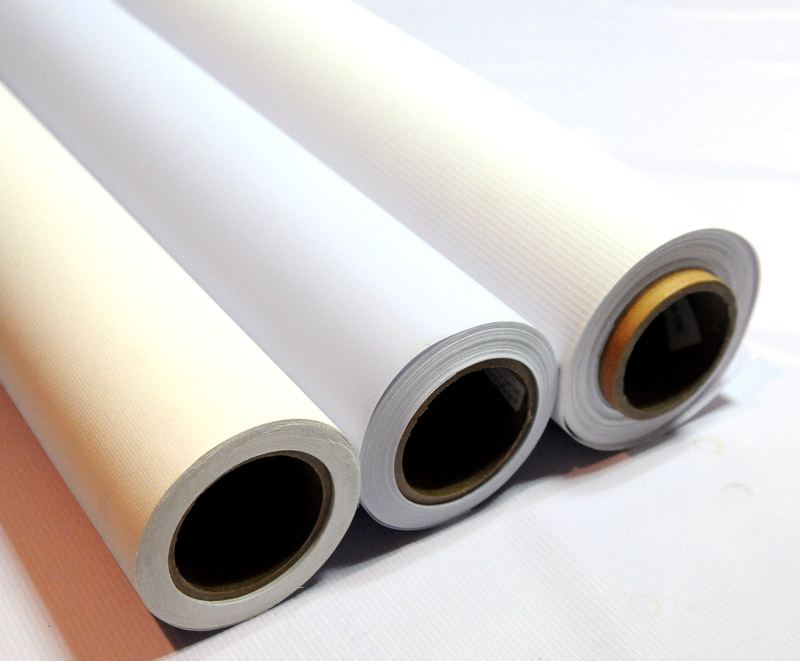 Hot/Cold Laminated Frontlit & Backlit Flex Banner
-
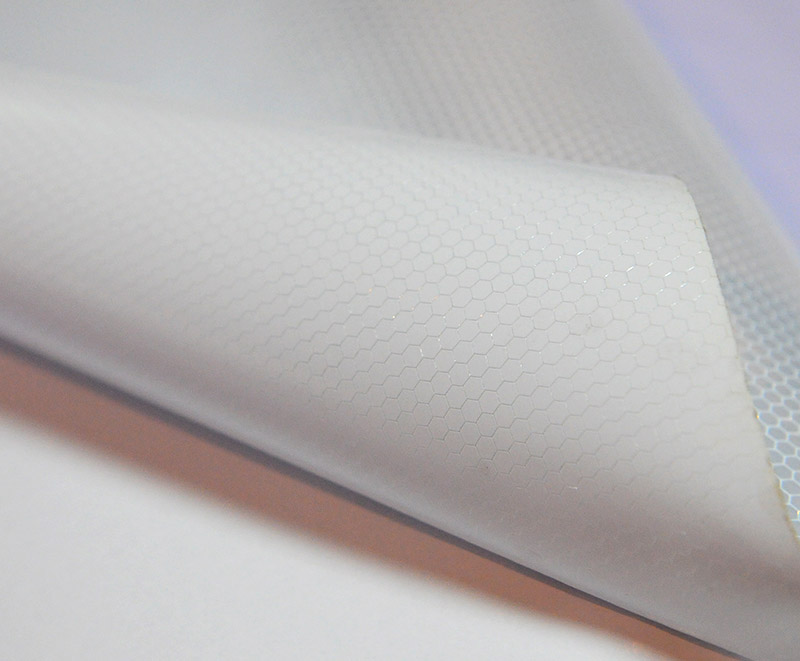 Reflective Banner Flex For Outdoor Advertisement Sign
-
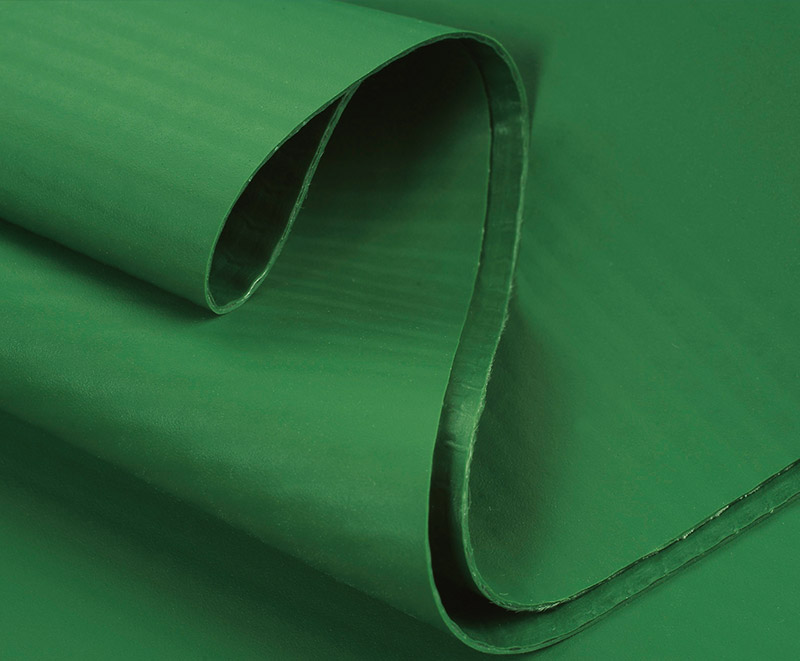 840d 1000d 1300d 1.02-3.20m Pvc Laminated Tarpaulin Fabric
-
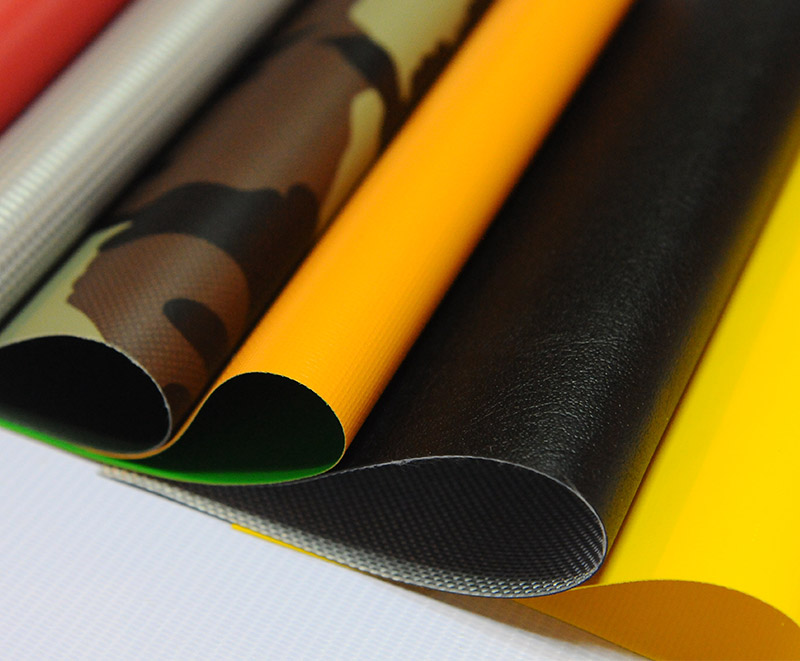 Pvc Coated Tarpaulin Fabric For Truck Cover/tent/boat
-
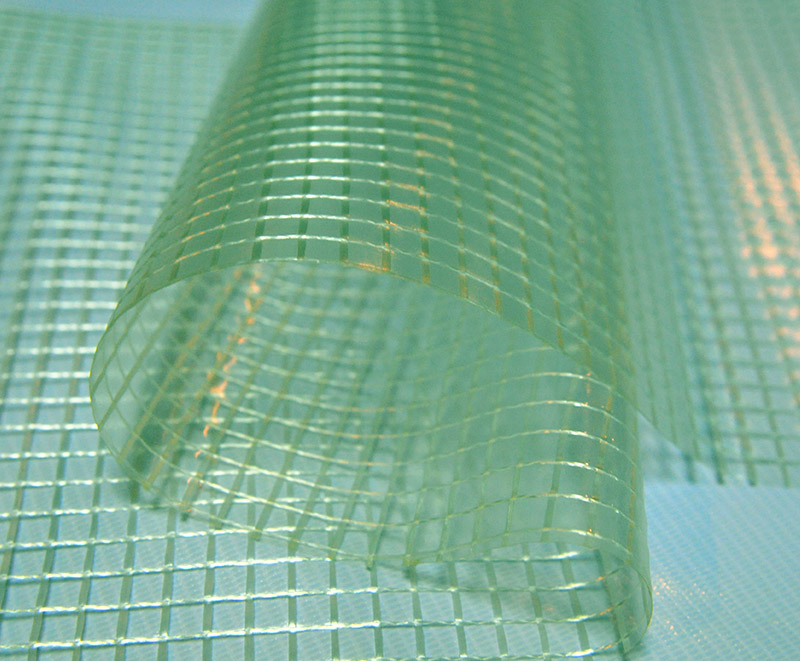 Green White Transparent Clear Poly Pvc Laminated Mesh Tarp
Related News
- PVC laminated tarpaulin fabric is a versatile material
- Coated tarpaulin fabric is a heavy-duty, waterproof material
- One of the most common applications for PVC tarpaulins is the construction site
- Laminated Tarpaulin Fabric is a type of synthetic material
- The Ultimate Solution for Eye-Catching Outdoor Advertisement Signs
Contact Info
 +86-573-88890126
 adam@ml-holding.cn
 No. 28, Shuguang Road, Tudian Town, Tongxiang City, Zhejiang Province, 314503, China
Quick Links
Product
Mobile qr Code
Copyright © Zhejiang Minglong New Material Technology Co., Ltd. All rights reserved.
Custom Digital Printing Banner Material Manufacturers
