 English
 CN
CN ES
ES 86-573-88890126
A cargo cover that leaks in the first heavy rain costs more in damaged goods than the fabric ever saved, which is why buyers increasingly specify stripes tarpaulin fabric by its waterproof pressure rating rather than by weight or color alone.
What Is Stripes Tarpaulin Fabric?
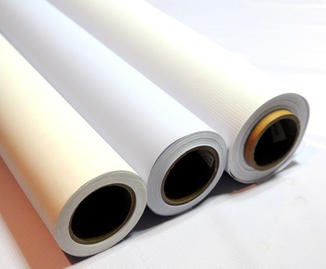
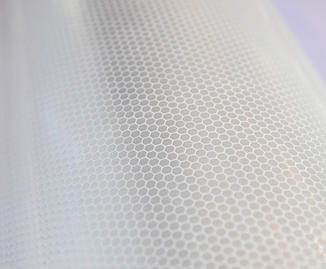
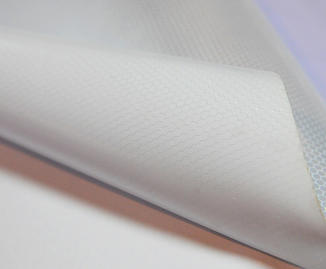
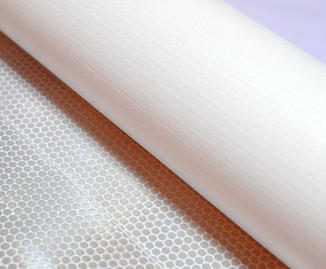
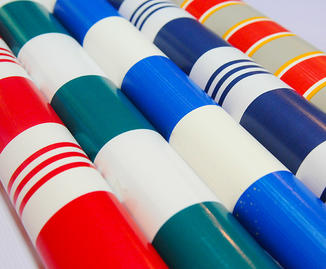
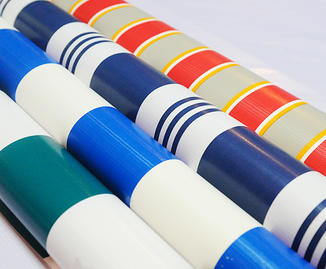
Stripes tarpaulin fabric is a heavy-duty coated textile built from a woven polyester or polyethylene base and finished with a waterproof coating layer, typically PVC or laminated PE, in a striped surface pattern. The stripe design serves a functional purpose beyond appearance, helping crews visually identify cover orientation and application type across a yard or fleet, while the coated base fabric provides the tear resistance and water barrier the material is chosen for in the first place.
Key Performance Factors to Check
Two figures determine whether a tarpaulin will actually hold up in the field: waterproof pressure resistance and tensile strength.
Tensile and tear strength matter just as much as waterproofing, since a cover that resists rain but tears at the grommets under wind load fails just as fast in practice.
Stripes Tarpaulin Fabric vs Traditional Protective Materials
| Factor | Stripes Tarpaulin Fabric | Traditional Protective Materials |
| Waterproofing | Coated barrier resists rain and moisture | Performance varies by material type |
| Durability | High tear and abrasion resistance | Often degrades faster outdoors |
| Installation | Lightweight, easy to cut and fit | Frequently more complex to install |
| Reusability | Cleanable and reusable across seasons | May require frequent replacement |
Where Stripes Tarpaulin Fabric Is Used
Transportation
Truck and trailer covers protect cargo from rain and dust in transit.
Construction
Site covers shield materials and structures from weather exposure.
Agriculture
Crop and feed covers protect stored goods from moisture damage.
Warehousing
Equipment and inventory covers reduce dust and moisture risk.
Outdoor Events
Temporary shelters and canopies need fast, flexible installation.
Equipment Protection
Machinery covers extend the service life of outdoor equipment.
How Stripes Tarpaulin Fabric Is Manufactured
How to Choose a Stripes Tarpaulin Fabric Supplier
A dependable stripes tarpaulin fabric supplier should provide waterproof pressure test results, tensile strength data, and UV aging test reports for the specific GSM and coating type you are ordering, not just a generic product brochure. Suppliers unable to produce batch-level test data are the most common source of premature cover failure in the field.
Also confirm the supplier's customization range for stripe pattern, width, and coating type, since transportation, construction, and agricultural buyers rarely need the same fabric specification.
Frequently Asked Questions
What GSM is best for a truck tarpaulin cover?
Most truck and trailer covers use fabric in the 400 to 650 GSM range, with heavier weights reserved for covers exposed to frequent abrasion or rough handling.
How long does stripes tarpaulin fabric last outdoors?
With UV-stabilized coating, a well-made tarpaulin commonly lasts 3 to 5 years of continuous outdoor exposure before coating degradation becomes noticeable.
Can stripes tarpaulin fabric be welded or only sewn?
PVC-coated tarpaulin fabric can typically be heat-welded for a fully waterproof seam, while PE woven fabric is more commonly sewn, so seam method should be confirmed based on the coating type.
Is stripes tarpaulin fabric resistant to mold and mildew?
Quality coated tarpaulin resists mold and mildew growth under normal conditions, though prolonged exposure to trapped moisture without airflow can still allow growth on any coated fabric.