 English
 Español
 中文简体

12/28/2023
What is the composition of Stripes Tarpaulin Fabric?
Stripes tarpaulin fabric is a flexible and durable cloth used for various functions inclusive of masking, protection, and transportation of goods. It is made from a aggregate of different fibers and coatings to enhance its energy and climate resistance homes.
The composition of stripes tarpaulin fabric commonly consists of a blend of artificial fibers along with polyethylene (PE), polypropylene (PP), and polyvinyl chloride (PVC). These fibers are selected for their inherent energy, durability, and resistance to water and UV rays.
Polyethylene is a typically used fabric in tarpaulin cloth due to its tremendous water and chemical resistance. It also has high tensile energy, allowing the fabric to resist heavy masses and outside forces. Polypropylene, then again, presents brought electricity and sturdiness to the cloth. It is immune to abrasion and tearing, making it appropriate for rugged programs.
Polyvinyl chloride is some other important element in stripes tarpaulin cloth. It provides flexibility, as well as improves the fabric's resistance to extreme temperatures and harsh climate conditions. PVC coatings additionally offer extra protection towards UV radiation, preventing the fabric from deteriorating and discoloring over time.
In addition to those artificial fibers, stripes tarpaulin fabric can also comprise reinforcing fabrics which includes nylon or polyester. These fibers are delivered to decorate the fabric's tear and puncture resistance, making it extra long lasting and suitable for heavy-obligation packages.
The unique composition of stripes tarpaulin fabric can range relying on its meant use and producer's specs. The proportions of the extraordinary fibers and coatings can be adjusted to obtain particular overall performance traits which include tensile power, UV resistance, and versatility.
It is crucial to be aware that the great and overall performance of stripes tarpaulin cloth also rely on the producing strategies and processes used. Advanced weaving and coating technologies make certain that the fibers are tightly bonded and calmly disbursed at some stage in the fabric, enhancing its typical electricity and durability.
In precis, stripes tarpaulin fabric is typically composed of a blend of artificial fibers together with polyethylene, polypropylene, and polyvinyl chloride. These fibers offer electricity, sturdiness, water resistance, UV protection, and flexibility to the fabric. Reinforcing fabrics like nylon or polyester may also be delivered to enhance tear and puncture resistance. The specific composition can range depending at the meant use and manufacturer's specifications, but all goal to create a super and dependable fabric for overlaying and protective items.
Related Products
-
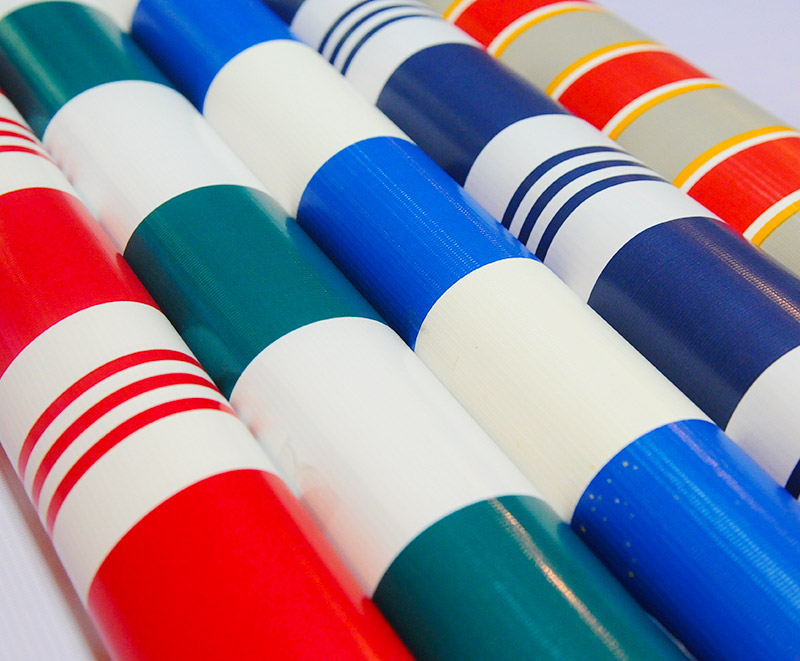 Pe Pvc Stripes Tarpaulin Roll Fabric Material
-
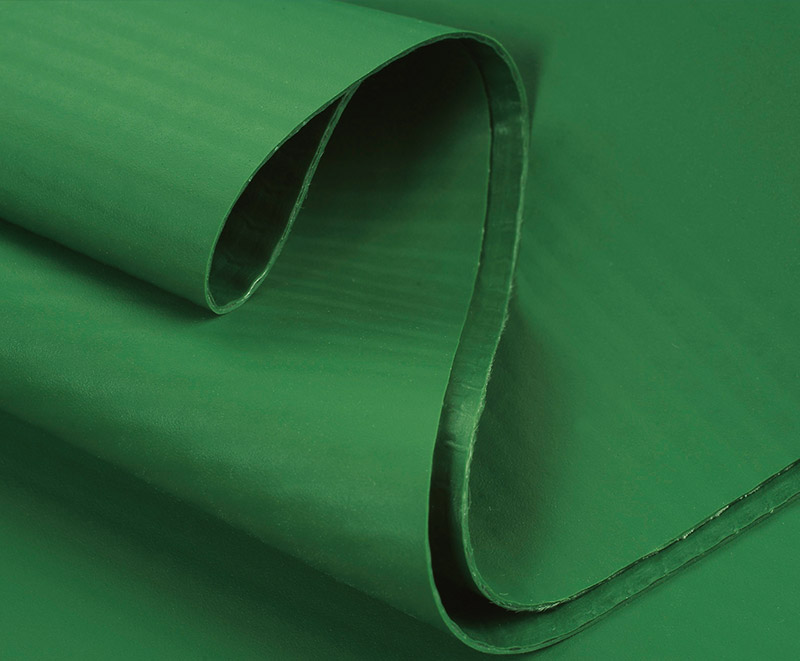 840d 1000d 1300d 1.02-3.20m Pvc Laminated Tarpaulin Fabric
-
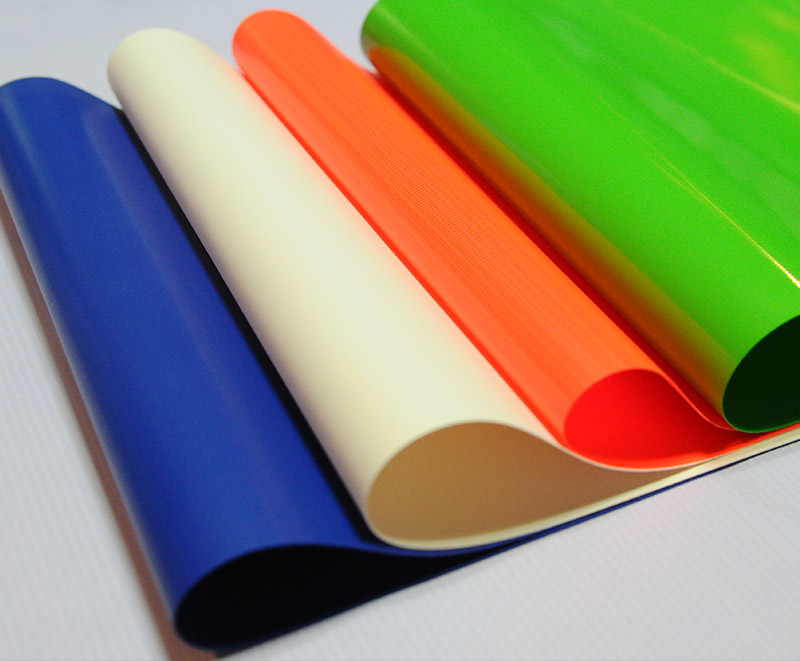 Heavy Duty Pvc Coated Tarpaulin Fabric
-
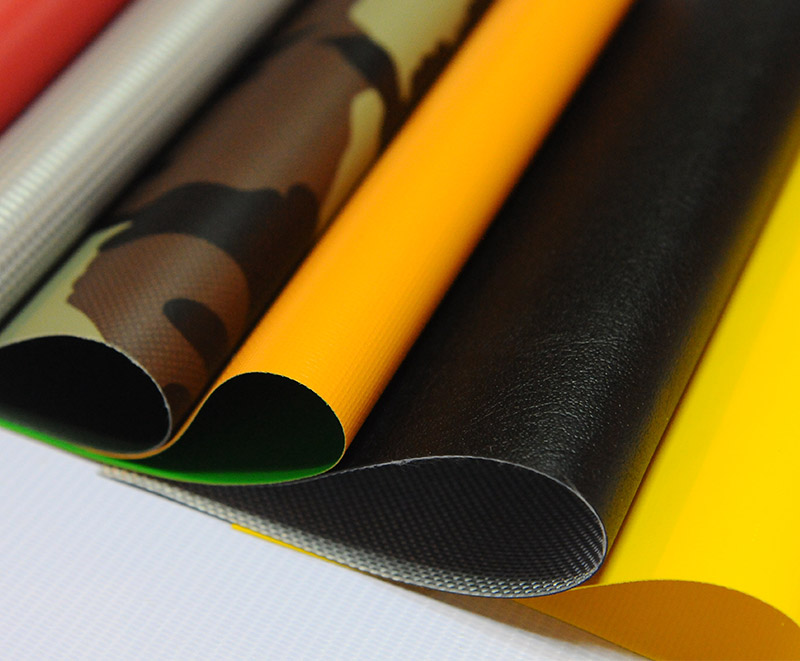 Pvc Coated Tarpaulin Fabric For Truck Cover/tent/boat
-
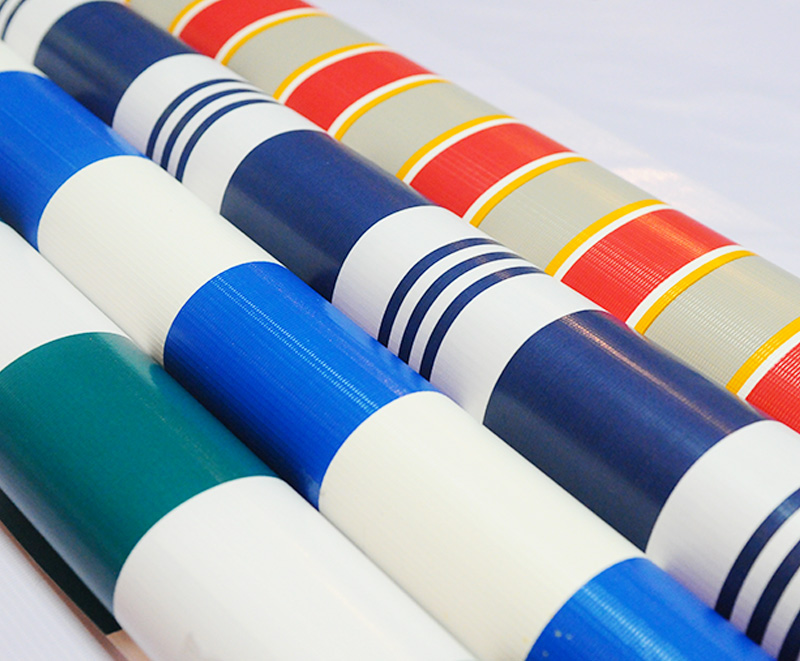 Colorful Printing Striped Tarpaulin Fabric Roll
Related News
- What equipment is needed for the entire production line to produce PVC calendered film?
- What Are the Benefits of Digital Printing?
- The Benefits of Using PVC Coated Tarpaulin Fabrics
- One of the most common applications for PVC tarpaulins is the construction site
- PVC Tarpaulin PVC tarpaulin is a polyester waterproof cloth coated with plastic
Contact Info
 +86-573-88890126
 adam@ml-holding.cn
 No. 28, Shuguang Road, Tudian Town, Tongxiang City, Zhejiang Province, 314503, China
Quick Links
Product
Mobile qr Code
Copyright © Zhejiang Minglong New Material Technology Co., Ltd. All rights reserved.
Custom Digital Printing Banner Material Manufacturers
