 English

12/20/2023
Are there any environmental concerns associated with laminated tarpaulin fabric production or disposal?
Laminated tarpaulin fabric is a extensively used and versatile cloth that finds utility in diverse industries, including creation, agriculture, transportation, and advertising and marketing. It is commonly made by combining a couple of layers of cloth with a water-proof coating, generally the usage of polyethylene (PE) or polyvinyl chloride (PVC). While laminated tarpaulin fabric serves many realistic functions, its production and disposal do improve sure environmental worries.
One of the primary environmental worries associated with laminated tarpaulin fabric production is the usage of non-renewable resources. The production method calls for strength-intensive equipment and the extraction and processing of uncooked fabrics which includes petroleum or natural gas (for PE) and chlorine (for PVC). These procedures make a contribution to greenhouse gasoline emissions and further depletion of finite sources.
Moreover, the production of PVC-based totally laminated tarpaulin cloth raises extra issues. PVC is a extensively criticized cloth due to its harmful environmental affects. The manufacturing and incineration of PVC release poisonous chemical compounds consisting of dioxins and furans, that have been connected to diverse health troubles, which includes cancer and endocrine disruption. While some PVC-free laminated tarpaulin fabrics exist, the enterprise still heavily relies on PVC coatings due to its low value and sturdiness.
In phrases of disposal, laminated tarpaulin cloth can gift challenges associated with waste control and environmental pollution. Due to their production, these tarps are not easily recyclable or biodegradable. When disposed of in landfills, they can take loads of years to decompose, occupying valuable land area. Additionally, while burned, PVC-covered tarps launch toxic fumes and launch unsafe substances into the ecosystem, contributing to air pollution.
To mitigate those worries, there are several capability answers. The first step is to reduce the consumption and waste of laminated tarpaulin fabric by using selling reuse and recycling. Developing green series and recycling structures can assist increase the lifespan of those substances and reduce reliance on virgin resources. Furthermore, the enterprise can discover alternative substances and coatings which might be greater environmentally pleasant, consisting of biodegradable or PVC-free options.
On the manufacturing facet, adopting cleaner and more sustainable manufacturing tactics can decrease the environmental effect, which include optimizing strength intake and decreasing emissions. Companies can put money into studies and improvement to find revolutionary answers that stability functionality and environmental cognizance.
Education and cognizance amongst customers, companies, and policymakers are also vital additives. Encouraging accountable consumption and promoting sustainable alternatives can power call for for extra environmentally pleasant alternatives and push the enterprise to undertake greater sustainable practices.
In end while laminated tarpaulin fabric has severa applications and blessings, it's miles critical to cope with the environmental worries related to its production and disposal. By adopting a holistic technique that considers the entire lifecycle of those substances, together with sustainable manufacturing, responsible intake, and proper waste control, it's miles possible to mitigate the environmental effect and pass toward a greater sustainable destiny.
Related Products
-
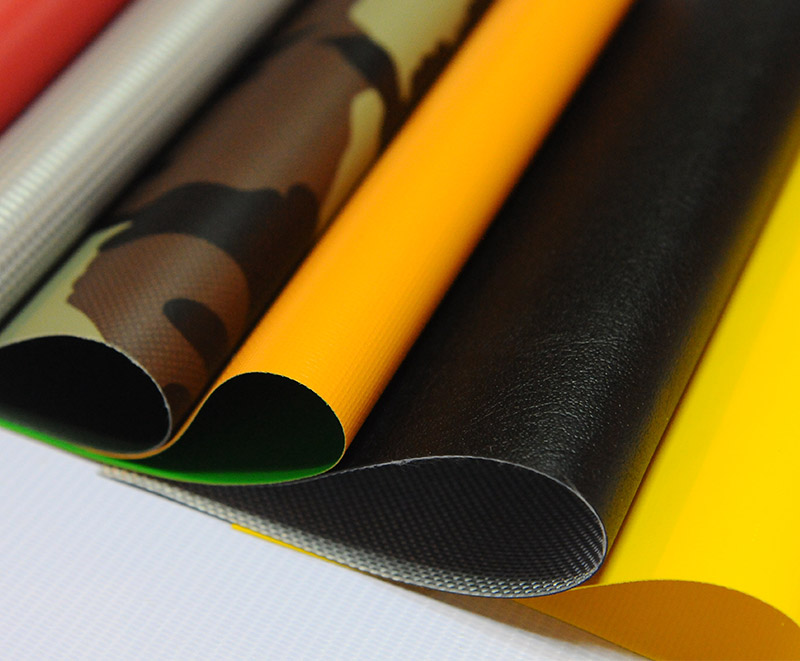 Pvc Coated Tarpaulin Fabric For Truck Cover/tent/boat
-
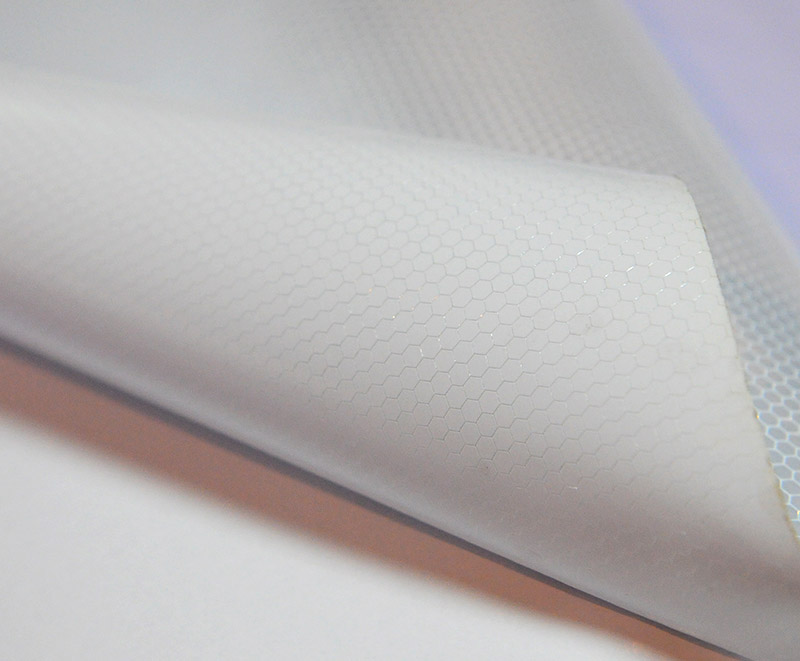 Reflective Banner Flex For Outdoor Advertisement Sign
-
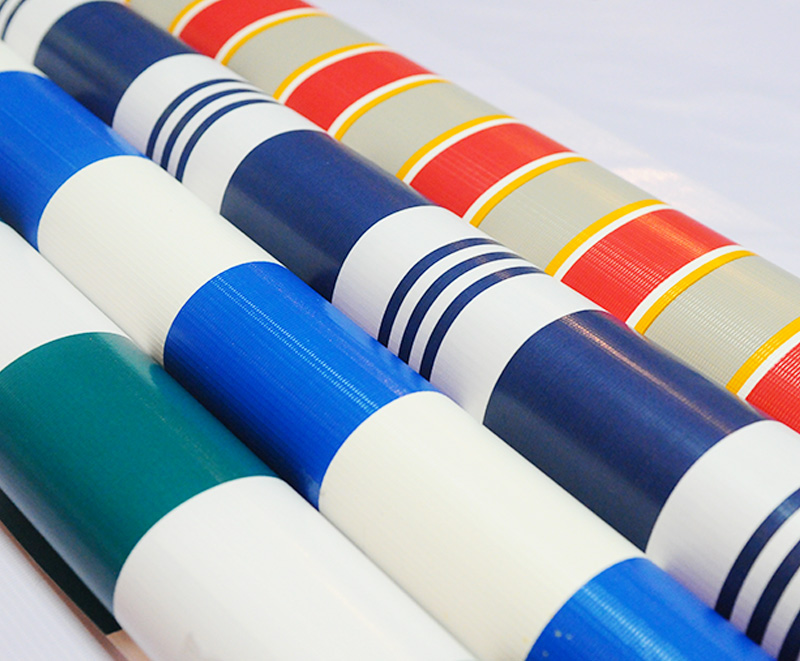 Colorful Printing Striped Tarpaulin Fabric Roll
-
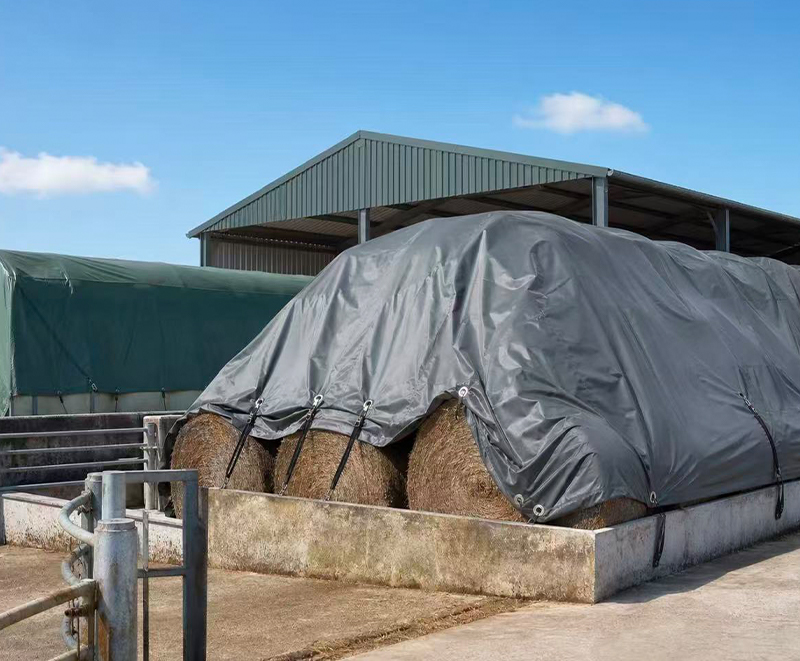 Industrial-Grade covering tarpaulin
-
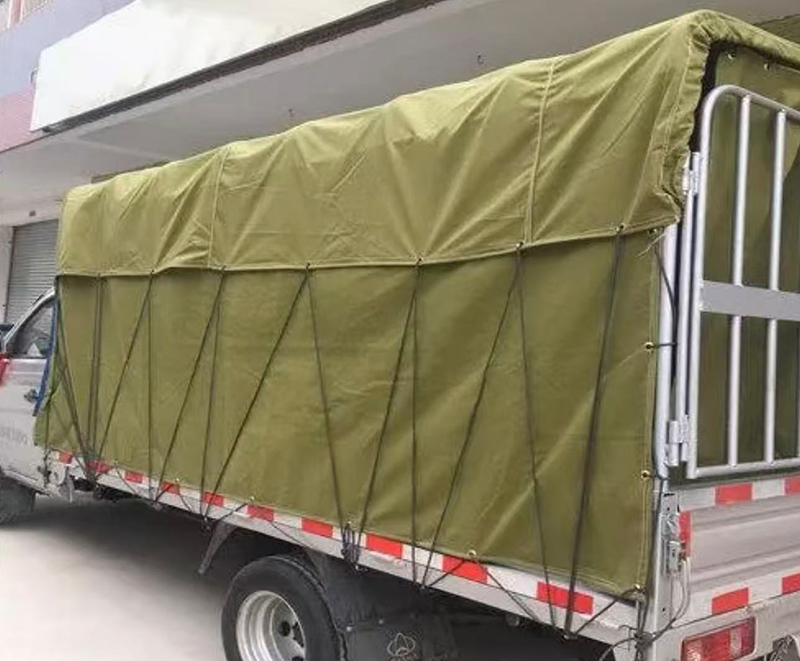 PVC Truck tarpaulin
Related News
- PVC laminated tarpaulin fabric is a versatile material
- What equipment is needed for the entire production line to produce PVC calendered film?
- Coated tarpaulin fabric is a heavy-duty, waterproof material
- PVC Tarpaulin PVC tarpaulin is a polyester waterproof cloth coated with plastic
- One of the most common applications for PVC tarpaulins is the construction site
Contact Info
 +86-573-88890126
 adam@ml-holding.cn
 No. 28, Shuguang Road, Tudian Town, Tongxiang City, Zhejiang Province, 314503, China
Quick Links
Product
Mobile qr Code
Copyright © Zhejiang Minglong New Material Technology Co., Ltd. All rights reserved.
Custom Digital Printing Banner Material Manufacturers
