 English
 Español
 中文简体

How Does One Way Vision Vinyl Film Sticker Improve Window Advertising Performance?
Content
- 1 What Is One Way Vision Vinyl Film Sticker and How Does It Work?
- 2 What Technical Features Determine One Way Vision Vinyl Performance?
- 3 What Are the Technical Specifications of Perforated One-Way Vision Vinyl?
- 4 How Do You Choose Between 80 Micron, 90 Micron and 100 Micron Vinyl?
- 5 Bubble-Free Glue vs Removable Glue: Which Adhesive Should You Choose?
- 6 Glossy vs Matte One-Way Vision Vinyl: Which Surface Finish Is Better?
- 7 What Are the Main Applications of One Way Vision Window Advertising Film?
- 8 How Can Printing Companies Improve Production Results?
- 9 How Can Buyers Evaluate One Way Vision Vinyl Manufacturers?
- 10 What OEM and ODM Options Are Available for One Way Vision Vinyl?
- 11 What Should Be Included in a Wholesale One Way Vision Vinyl Quotation?
- 12 Frequently Asked Questions About One Way Vision Vinyl Film Sticker
- 12.0.1 Q1: What is the price of one way vision vinyl film sticker?
- 12.0.2 Q2: What sizes are available for one way vision vinyl sticker rolls?
- 12.0.3 Q3: Is one way vision perforated vinyl weather resistant for outdoor use?
- 12.0.4 Q4: Can I get a sample of one way vision vinyl film sticker before placing a bulk order?
- 12.0.5 Q5: What printing machines are compatible with perforated one-way vision vinyl?
- 12.0.6 Q6: What micron thickness should I choose for one way vision film?
- 12.0.7 Q7: What is the difference between bubble-free and removable one way vision vinyl?
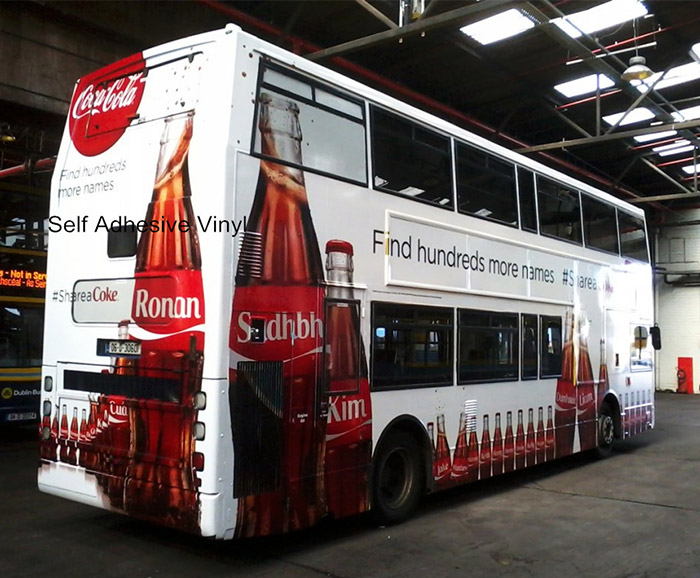
- 12.0.8 Q8: Can one way vision vinyl be used for bus window advertising?
- 12.0.9 Q9: Can one way vision vinyl be customized with private label packaging?
- 12.0.10 Q10: How should one way vision vinyl be stored before use?
- 13 How to Specify the Right Perforated Vinyl for Your Next Advertising Project
Choosing the right window advertising material involves more than selecting a printable surface. For advertising printers, sign manufacturers, distributors and project contractors, the material must balance image visibility, indoor viewing requirements, adhesive performance, dimensional stability and outdoor durability. A suitable solution should also support consistent printing results and efficient installation across different glass surfaces.
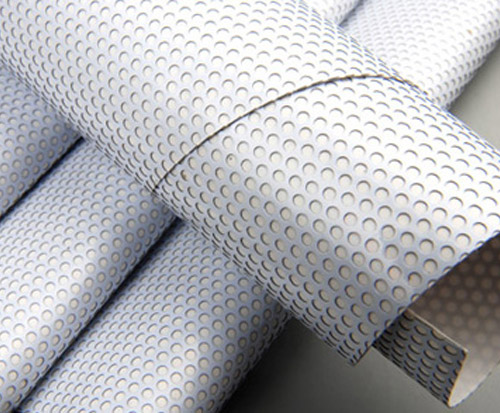
one way vision vinyl film sticker is a perforated self-adhesive PVC material designed to display advertising graphics on glass while maintaining visibility from the opposite side under suitable lighting conditions. Its micro-perforated construction allows external viewers to see the printed advertising surface, while people inside can retain a degree of outward visibility. This makes it particularly useful for vehicle windows, commercial storefronts, public transportation and building glass advertising.
For B2B buyers, evaluating this material requires attention to several interconnected factors: PVC thickness, perforation consistency, adhesive formulation, release liner properties, printing compatibility and roll dimensions. Understanding these factors helps purchasing teams select specifications that match their application requirements rather than relying on appearance alone.
What Is One Way Vision Vinyl Film Sticker and How Does It Work?
One-way vision vinyl is a self-adhesive advertising material manufactured with regularly distributed perforations across its PVC surface. These openings create a visual balance between the printed graphic and the transparent areas of the material. When installed on glass, the printed side faces the exterior, allowing advertising content to be viewed from outside, while the perforated structure provides partial visibility through the glass from inside.
The effect depends on the relationship between the printed surface, the perforation pattern, ambient illumination and the viewing environment. It is not an absolute optical barrier. Its practical performance is influenced by lighting conditions on both sides of the glass, installation position and the visual characteristics of the printed design.
How Does the Perforated Structure Create One-Way Visibility?
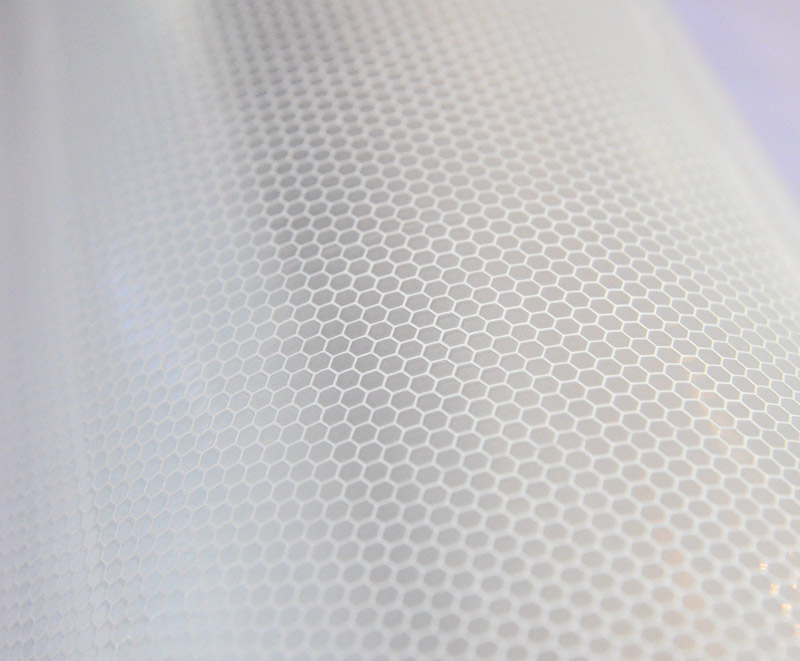
The material contains numerous small openings distributed across the vinyl surface. The remaining PVC areas provide a printable surface for advertising graphics, while the openings allow light to pass through. From the exterior, the printed graphic can form a visually continuous advertising image when viewed from an appropriate distance. From the interior, the openings provide sightlines through the glass.
This structure differs from conventional solid printable vinyl. Solid films cover the glass with a continuous printed or colored surface, whereas perforated films retain openings that support partial outward visibility. The distinction is important when selecting materials for vehicle windows, storefronts and other applications where advertising display and visibility must coexist.
Working Principle of Perforated Window Advertising Vinyl
The diagram illustrates the general construction principle. Actual visibility varies with perforation specifications, graphic coverage, lighting and installation conditions.
What Materials Are Used in Perforated Vinyl?
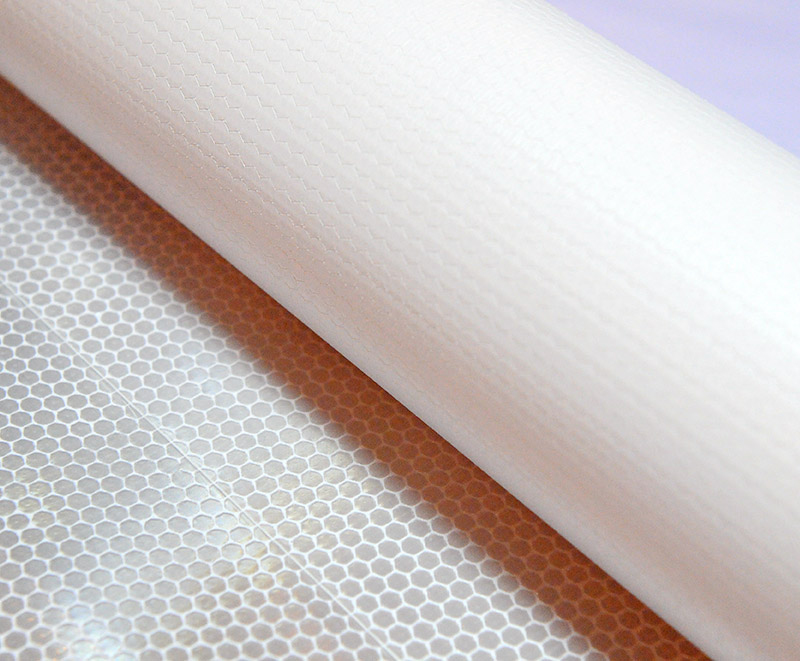
A typical product consists of several functional layers. The PVC film forms the printable surface and determines much of the material's flexibility and dimensional behavior. The pressure-sensitive adhesive bonds the film to the glass, while the release liner protects the adhesive before installation.
- PVC face film: Provides the printable surface and the physical structure containing the perforations.
- Pressure-sensitive adhesive: Supports bonding to suitable glass surfaces and can be selected according to installation and removal requirements.
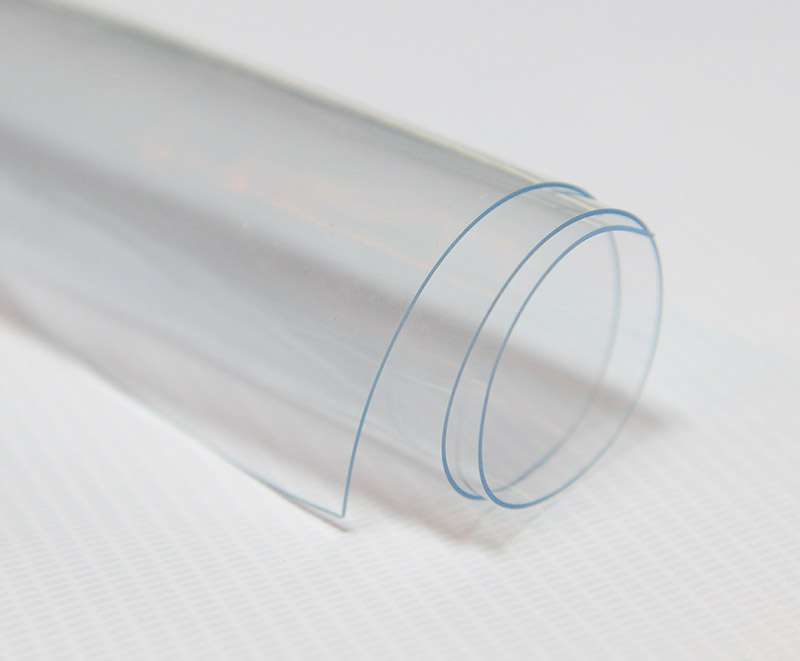
- Release liner: Protects the adhesive during storage, transportation, printing and handling.
- Perforation pattern: Determines the distribution of openings and influences the balance between graphic coverage and visibility.
What Technical Features Determine One Way Vision Vinyl Performance?
For commercial printing and advertising production, material performance should be evaluated through measurable and application-related characteristics. A product that looks suitable on a sample sheet may behave differently during large-format printing, lamination, cutting or installation. Buyers should therefore examine the complete material structure rather than focusing only on the nominal thickness.
1. Consistent Digital Printing Performance
Printing consistency is essential for sign manufacturers handling repeated advertising orders. Variations in film surface properties can affect ink reception, color appearance and graphic uniformity. A stable printable surface helps maintain consistent image output across production batches.
Before approving a material for bulk production, buyers should evaluate its compatibility with their printing equipment, ink system and drying conditions. Printed samples should be checked for color consistency, ink adhesion, surface defects and the appearance of small graphic details. These checks are especially relevant for large vehicle graphics and storefront advertising where visible inconsistencies can affect the overall presentation.
2. Low-Shrink Film Dimensional Stability
Dimensional stability affects the accuracy of printed graphics and their alignment during application. Excessive shrinkage may cause edge movement, visible gaps or inconsistencies between adjacent panels. Low-shrink calendared PVC film is intended to help reduce these issues under suitable processing and installation conditions.
Purchasing teams should consider film stability alongside printing temperature, storage conditions, adhesive selection and application technique. A material specification alone cannot guarantee installation results if the processing environment is not properly controlled.
3. Bubble-Free Adhesive for Easier Application
Air entrapment is a common concern during self-adhesive film installation, particularly when large window areas require accurate alignment. Bubble-free adhesive options are designed to facilitate air release during application, helping installers reduce trapped air and improve surface appearance.
However, the result still depends on surface cleanliness, installation tools, application pressure and operator experience. Glass should be free from dust, oil and other contaminants before installation.
4. Removable Adhesive for Temporary Advertising
Temporary promotional graphics, seasonal campaigns and vehicle advertising may require a film that can be removed after a defined usage period. Removable adhesive options are intended to support easier removal from suitable surfaces under specified conditions.
Removal performance depends on adhesive formulation, application duration, environmental exposure and the condition of the glass. Buyers should request application-specific testing before using removable adhesive for projects with strict removal requirements.
5. Weather Resistance for Outdoor Applications
Outdoor window graphics are exposed to sunlight, rainfall, temperature fluctuations and environmental contaminants. Anti-UV characteristics and weather-resistant material construction are relevant considerations when selecting films for buses, metro systems and building facades.
Long-term performance depends on the combined properties of the PVC film, printing ink, adhesive and installation surface. Buyers should evaluate the intended exposure period and ask for supporting product information rather than assuming that every perforated vinyl specification provides identical outdoor durability.
6. Ink Absorption and Surface Cleanliness
Ink absorption and surface characteristics influence the appearance of the final graphic. A suitable surface should support consistent ink reception while limiting undesirable visual defects during printing. Anti-dirty characteristics can also help maintain a cleaner appearance during handling and use.
For printing businesses, sample evaluation should include both freshly printed graphics and finished material after normal handling. This provides a more practical understanding of production suitability than examining an unprinted roll alone.
What Are the Technical Specifications of Perforated One-Way Vision Vinyl?
Specifications provide the basis for comparing materials, planning printing jobs and confirming purchase requirements. The following table summarizes the available product options and the stated configuration range. Exact model-level parameters should be confirmed before bulk production.
| Specification | Available Options | Selection Consideration |
|---|---|---|
| Film Thickness | 80 microns, 90 microns, 100 microns | Flexibility, handling and application requirements |
| Film Color | Clear, White, Black, Grey | Visual appearance and product configuration |
| Adhesive Type | Standard clear adhesive, bubble-free glue, removable glue | Installation method and removal requirements |
| Surface Finish | Glossy, Matte | Desired graphic appearance and light reflection |
| Roll Width | 0.914 m to 2.02 m | Printer compatibility and project dimensions |
| Roll Length | 50 m, 100 m, 250 m | Production volume and inventory management |
| Film and Liner Tolerance | Maximum 5% | Specification confirmation and incoming inspection |
| Packaging | Carton box, hard tube, pallets | Transportation and storage requirements |
How Should Buyers Interpret Film and Liner Parameters?
Film thickness and release liner weight describe different parts of the product structure. They should not be treated as interchangeable measurements. Film thickness influences the physical characteristics of the printable material, while liner weight relates to the backing used to protect the adhesive before application.
When comparing quotations from different suppliers, buyers should confirm that all specifications refer to the same measurement basis. A complete technical quotation should identify the film thickness, liner specification, adhesive type, color, roll width, roll length and applicable tolerance.
It is also important to distinguish between standard product configurations and customized specifications. If a printing project requires a particular perforation pattern, liner construction or adhesive characteristic, these details should be confirmed in writing before the purchase order is finalized.
Why Does Roll Width Matter in Commercial Printing?
Roll width influences how efficiently a printing business can arrange graphics and process large advertising panels. A suitable width can reduce unnecessary material trimming and help match the working dimensions of wide-format printing equipment.
For bus window advertising, several graphic panels may be produced from a single roll. For building glass projects, the required width may depend on the dimensions of individual window sections. Buyers should compare the actual printable width and equipment requirements before selecting a roll specification.
How Do You Choose Between 80 Micron, 90 Micron and 100 Micron Vinyl?
Film thickness is one of the main purchasing considerations for perforated advertising vinyl. The appropriate option depends on the intended installation, handling requirements, printing equipment and project conditions. A thicker film is not automatically the correct choice for every application, just as a thinner film is not necessarily suitable for every production environment.
80 Micron Option
A thinner configuration to evaluate when flexibility and material handling are important. Buyers should confirm its compatibility with the intended printing and application process.
Flexibility consideration90 Micron Option
An intermediate thickness option that can be evaluated for general window advertising production. Suitability should be confirmed through sample printing and installation tests.
Intermediate specification100 Micron Option
A thicker configuration for buyers who prioritize handling characteristics and want to evaluate a different film construction for their specific production requirements.
Thicker film optionFactors to Consider Before Selecting Thickness
- Printing equipment: Confirm the printer's supported media thickness and feeding requirements.
- Application surface: Consider whether the material will be installed on flat, curved or segmented glass areas.
- Graphic dimensions: Large advertising panels may require additional attention to handling, alignment and dimensional stability.
- Installation method: Evaluate film flexibility and adhesive behavior during application.
- Project conditions: Consider the expected exposure environment, application period and maintenance requirements.
A practical selection process begins with a representative sample. Printing and installing the candidate specifications under conditions similar to the final project can reveal potential problems before a large purchase is made.
Bubble-Free Glue vs Removable Glue: Which Adhesive Should You Choose?
Adhesive selection directly affects installation efficiency and the future handling of window advertising graphics. Bubble-free and removable adhesives address different requirements, so buyers should not assume that one option automatically replaces the other.
| Comparison Factor | Bubble-Free Adhesive | Removable Adhesive |
|---|---|---|
| Main Purpose | Facilitates air release during application | Supports removal from suitable surfaces |
| Key Benefit | Helps reduce trapped air | Provides flexibility for temporary graphics |
| Typical Consideration | Installation speed and surface appearance | Adhesive residue and removal conditions |
| Buyer Priority | Application efficiency | End-of-project removal |
| Recommended Evaluation | Air release and bonding behavior | Removal after representative aging |
When Is Bubble-Free Adhesive More Appropriate?
Bubble-free adhesive is worth considering for projects involving large glass panels, repeated installations and production environments where application efficiency is important. Its air-release characteristics can help installers manage trapped air during film placement.
However, the adhesive does not eliminate the need for correct installation procedures. Glass preparation, positioning, application pressure and environmental conditions remain important factors. Buyers should confirm whether the selected adhesive is suitable for their installation technique.
When Should You Consider Removable Adhesive?
Removable adhesive is relevant for temporary campaigns, retail promotions, seasonal storefront displays and vehicle graphics that need to be replaced after a planned period. It allows purchasing teams to consider the entire lifecycle of the advertising material, including installation, service and removal.
Before selecting this configuration, buyers should clarify the intended application duration and the glass surface condition. A sample removal test can help identify whether the adhesive meets the project's practical requirements.
Glossy vs Matte One-Way Vision Vinyl: Which Surface Finish Is Better?
Surface finish influences the visual presentation of printed graphics and the way light interacts with the advertising surface. Glossy and matte options can both be used for window advertising, but their appearance differs under direct sunlight, artificial lighting and different viewing angles.
Glossy Perforated Vinyl
Glossy film provides a reflective surface that can produce a more pronounced visual appearance. It may be considered when the advertising design relies on vivid colors, high visual contrast and a polished presentation.
One consideration is reflected light. Depending on the installation environment, reflections may influence the visibility of certain graphic details. Buyers should review printed samples under realistic lighting before confirming a specification.
Matte Perforated Vinyl
Matte film offers a less reflective surface appearance. It may be suitable for projects where reduced surface glare and a more subdued visual presentation are preferred.
The choice should also consider the printing ink, graphic design and viewing distance. A matte finish does not automatically improve every image, and the final result depends on the combined properties of the material and printing process.
Glossy Finish
Suitable for projects seeking a reflective surface appearance and vivid graphic presentation.
Matte Finish
Suitable for projects where a less reflective visual effect is preferred.
What Are the Main Applications of One Way Vision Window Advertising Film?
Perforated window advertising vinyl is used in commercial projects where glass surfaces provide an opportunity for promotional graphics without completely eliminating outward visibility. Its application range includes transportation, retail, commercial buildings and temporary advertising installations.
1. Bus and Public Transportation Window Advertising
Public transportation provides extensive opportunities for outdoor advertising. Bus windows and selected metro-related glass surfaces can be used to display promotional messages, campaign graphics and brand communication materials.
For bus window advertising, buyers should evaluate vehicle regulations, visibility requirements, installation restrictions and the condition of the glass. Not every window is suitable for full coverage, and the material configuration must comply with applicable transportation safety requirements.
Printing companies supplying transportation advertising projects should also consider roll width, graphic panel arrangement and adhesive performance. These factors influence installation planning and material consumption across multiple vehicles.
2. Building Glass Walls and Commercial Facades
Commercial buildings often contain large glass areas that can serve as advertising or promotional display surfaces. Perforated vinyl allows businesses to use these surfaces for seasonal campaigns, property information and commercial graphics.
When specifying one way vision film for building glass wall advertising, purchasing teams should assess window dimensions, installation access, solar exposure and the intended viewing direction. Facade projects may involve multiple panels with different dimensions, making roll-width planning and graphic alignment important.
3. Storefront and Retail Window Advertising
Retail storefronts use window graphics to communicate promotions, product information and seasonal messages. Perforated film can provide a printed exterior display while maintaining partial visibility from inside.
For retailers that regularly update their advertising, adhesive selection is particularly important. Removable configurations may be considered where campaigns are temporary, while other projects may prioritize longer-term bonding performance.
4. Interior and Exterior Signage
Selected interior and exterior signage projects can use perforated self-adhesive vinyl where the supporting glass surface and viewing conditions are suitable. Applications include promotional displays, informational graphics and decorative window treatments.
5. Point-of-Sale Temporary Promotions
Point-of-sale advertising often requires fast production and straightforward replacement. Perforated window vinyl can support temporary promotional graphics on suitable flat glass surfaces, particularly in retail environments with frequent campaign changes.
6. Advertising on Curved Glass Surfaces
Some advertising projects involve curved or non-flat glass areas. Material flexibility, film thickness, adhesive behavior and the degree of curvature should be evaluated before installation. A sample application is recommended because a material suitable for flat windows may not perform identically on every curved surface.
How Can Printing Companies Improve Production Results?
Material quality is only one part of the finished advertising result. Printing equipment, ink compatibility, storage conditions, production settings and installation procedures all contribute to the final appearance and service performance. A structured workflow helps reduce avoidable production problems.
Step 1: Verify Media Compatibility
Before processing a new roll, confirm that its thickness, width and surface characteristics are compatible with the printing equipment. Check the printer's media handling specifications and ensure that the roll can feed correctly without excessive tension or misalignment.
Step 2: Evaluate Ink Compatibility
Different printing systems and ink formulations may produce different results on the same film. Conduct a test print to evaluate color output, ink adhesion, drying behavior and graphic clarity. Allow sufficient time for the ink to reach the required condition before subsequent handling or installation.
Step 3: Check Printed Material Uniformity
Inspect the printed roll for visible color differences, missing print areas, surface defects and inconsistencies in the perforation pattern. Large graphics should be reviewed across multiple sections rather than relying on a small sample from one area.
Step 4: Prepare the Installation Surface
Glass preparation is essential for adhesive performance. Remove dust, grease, moisture and other contaminants using appropriate cleaning procedures. Confirm that the surface is dry and suitable for the selected adhesive before applying the film.
Step 5: Apply and Inspect the Film
Align the printed graphic carefully and use suitable application tools and techniques. Check the material for trapped air, wrinkles, edge lifting and alignment problems. For multi-panel projects, confirm that adjacent graphics maintain the intended visual continuity.
What Quality Control Items Should Bulk Buyers Check?
- Film thickness and dimensional tolerance.
- Roll width, roll length and winding condition.
- Perforation distribution and surface consistency.
- Adhesive condition and release liner integrity.
- Printing compatibility and ink adhesion.
- Packaging protection during storage and transportation.
- Consistency between approved samples and delivered batches.
How Can Buyers Evaluate One Way Vision Vinyl Manufacturers?
For importers, advertising material distributors and printing companies, selecting a manufacturer is a supply-chain decision rather than a simple material purchase. Consistent production, specification control, customization capabilities and communication efficiency can influence the reliability of long-term cooperation.
Production Experience and Manufacturing Capability
Buyers should understand the manufacturer's background, production facilities and experience with PVC film products. A company with established calendaring production capabilities may be better positioned to coordinate film thickness, material consistency and large-volume manufacturing requirements.
Zhejiang Minglong New Material Technology Co., Ltd. was established in 2005. Its manufacturing background includes PVC calendaring production lines and an annual output of 30,000 tons of PVC laminated film. This production background provides relevant context for evaluating its manufacturing operations and material supply capabilities.
Research and Development Capabilities
Research and development capabilities are relevant when buyers require customized film structures, adhesive configurations or product improvements. A high-tech R&D center, together with utility model and invention patents, can support technical development and manufacturing process optimization.
For purchasing teams, the practical question is whether a manufacturer's technical resources can address the actual requirements of the intended application. Buyers should discuss the requested specification, available samples and any necessary product testing during the evaluation process.
Quality Management and Export Experience
Export-oriented manufacturers need to manage product specifications, packaging requirements and delivery coordination across different markets. Experience supplying customers in Southeast Asia, Europe and America can provide useful context when evaluating international order handling.
Buyers should ask about inspection procedures, batch consistency, packaging standards and technical support. These details are particularly important for distributors that need to maintain consistent product specifications across repeat orders.
Wholesale Supply and Technical Support
For B2B purchasing, stable bulk supply and responsive communication can be as important as the initial quotation. A manufacturer should be able to clarify available specifications, explain customization options and provide relevant technical information before an order is confirmed.
What OEM and ODM Options Are Available for One Way Vision Vinyl?
Different advertising projects have different material requirements. Standard specifications may be sufficient for routine printing operations, but distributors, wholesalers and large-format printing companies often need customized configurations to match their equipment, customer preferences and inventory systems.
Customized Film Thickness and Width
Film thickness can be selected from available 80, 90 and 100 micron options. Roll width can also be configured within the available range of 0.914 to 2.02 meters. These choices allow buyers to coordinate material specifications with their printing equipment and intended graphic dimensions.
Customized Adhesive Formulations
Adhesive selection can be discussed according to the intended application. Standard clear adhesive, bubble-free glue and removable glue serve different installation requirements. Buyers should specify the glass type, expected application period and removal expectations when requesting customized adhesive configurations.
Glossy and Matte Surface Options
Both glossy and matte surface finishes are available for buyers seeking different graphic appearances. The preferred finish should be confirmed through printed samples under representative lighting conditions.
Roll Length and Packaging Customization
Roll lengths of 50, 100 and 250 meters are available options. Packaging can be arranged using carton boxes, hard tubes or pallets according to order and transportation requirements.
Private Label and Customer Branding
OEM and ODM cooperation can include customized packaging and customer labeling. This is relevant for distributors and wholesalers that manage their own product identities and need consistent packaging across their sales channels.
Thickness and color configuration
Standard, bubble-free and removable options
Glossy and matte finishes
Roll width and length selection
Cartons, hard tubes and pallets
Custom labels and OEM packaging
To avoid specification misunderstandings, an OEM or ODM inquiry should include the intended application, target film thickness, color, adhesive type, surface finish, roll dimensions, estimated order quantity and packaging requirements. Sample approval should be completed before mass production.
What Should Be Included in a Wholesale One Way Vision Vinyl Quotation?
Wholesale quotations should contain enough technical information to allow buyers to compare materials accurately. A quotation based only on a product name or nominal thickness may leave important differences in adhesive, liner and packaging specifications unresolved.
Essential Information for a Purchasing Inquiry
- Product specification: Confirm the requested product type and film thickness.
- Color configuration: Identify the required film color, including clear, white, black or grey.
- Adhesive requirement: Specify standard clear, bubble-free or removable adhesive.
- Surface finish: Confirm whether glossy or matte is required.
- Roll dimensions: Provide the preferred width and length.
- Order quantity: State the estimated volume and purchasing frequency.
- Packaging details: Identify carton, hard tube or pallet requirements.
- Sample requirements: Explain whether pre-production samples are needed.
How Do Buyers Compare Different Supplier Quotations?
When evaluating wholesale offers, compare equivalent product configurations. Two quotations may refer to the same general product category while differing in film thickness, liner specification, adhesive characteristics or packaging. These differences can influence the actual value of the purchase.
Buyers should also consider sample consistency, communication efficiency, production planning and after-sales technical support. For repeat orders, maintaining an approved specification sheet can help reduce misunderstandings and support more consistent procurement.
Wholesale Inquiry Checklist
Prepare the following information before requesting a factory quotation:
Frequently Asked Questions About One Way Vision Vinyl Film Sticker
Q1: What is the price of one way vision vinyl film sticker?
The price depends on film thickness, adhesive type, surface finish, roll dimensions, order quantity and customization requirements. Buyers should provide their preferred specifications and estimated purchasing volume to obtain an accurate wholesale quotation. Factory pricing may differ between standard products and customized orders.
Q2: What sizes are available for one way vision vinyl sticker rolls?
Available roll widths range from 0.914 to 2.02 meters, with optional roll lengths of 50, 100 and 250 meters. Buyers should confirm the required dimensions according to printer compatibility, advertising panel sizes and production planning.
Q3: Is one way vision perforated vinyl weather resistant for outdoor use?
Weather-resistant configurations can be used for suitable outdoor advertising applications, including vehicle windows and building glass. Performance depends on PVC construction, adhesive formulation, printing ink, sunlight exposure, rainfall and installation conditions. Buyers should confirm the intended service environment and request relevant product information before selecting a specification.
Q4: Can I get a sample of one way vision vinyl film sticker before placing a bulk order?
Sample evaluation is recommended before bulk purchasing. Buyers can use samples to check printing compatibility, color appearance, adhesive behavior, perforation consistency and application results. When requesting a sample, specify the intended film thickness, adhesive type and printing method.
Q5: What printing machines are compatible with perforated one-way vision vinyl?
Compatibility depends on the printer's supported media width, thickness, feeding system and ink technology. Wide-format digital printing equipment may be suitable when its specifications match the selected film. Conducting a test print is recommended before full-scale production.
Q6: What micron thickness should I choose for one way vision film?
Available options include 80, 90 and 100 microns. The selection should consider printing equipment, handling requirements, installation surface and project conditions. Testing samples of the preferred specifications is a practical way to determine suitability.
Q7: What is the difference between bubble-free and removable one way vision vinyl?
Bubble-free adhesive is designed to facilitate air release during application, helping installers reduce trapped air. Removable adhesive is intended to support removal from suitable surfaces after use. The appropriate option depends on installation efficiency, project duration and removal requirements.
Q8: Can one way vision vinyl be used for bus window advertising?
Yes, perforated window advertising vinyl is used for suitable bus window graphics. However, installation must comply with applicable vehicle visibility and transportation safety requirements. Buyers should confirm permitted coverage areas and select a compatible adhesive and film configuration.
Q9: Can one way vision vinyl be customized with private label packaging?
OEM and ODM options can include customized roll dimensions, adhesive configurations, surface finishes, packaging and customer labels. Buyers should provide their branding requirements and packaging specifications when requesting a customized quotation.
Q10: How should one way vision vinyl be stored before use?
Store the material in its original protective packaging in a clean, dry environment. Avoid unnecessary exposure to direct sunlight, excessive heat, moisture and dust. Follow the manufacturer's storage and handling recommendations to help preserve the film, adhesive and release liner condition.
How to Specify the Right Perforated Vinyl for Your Next Advertising Project
Selecting a suitable window advertising film requires a complete understanding of material construction, printing compatibility, adhesive behavior and application conditions. Film thickness, color, surface finish and roll dimensions determine whether the product fits the production workflow, while adhesive selection influences installation efficiency and future removal requirements.
For advertising printers, distributors, sign manufacturers and wholesale buyers, a structured specification process can reduce procurement uncertainty. Comparing samples, confirming technical parameters and evaluating manufacturing capabilities are practical steps before committing to a bulk order.
When evaluating a perforated one way vision vinyl film supplier, prepare your target specifications, application details and estimated order quantity. Zhejiang Minglong New Material Technology supports product customization, OEM and ODM cooperation, and bulk supply for international advertising material buyers.
Discuss Your One-Way Vision Vinyl Requirements
Provide your preferred thickness, adhesive type, roll width, surface finish and purchasing quantity to discuss suitable product configurations, samples and wholesale quotation requirements.
Contact the manufacturer to discuss your next window advertising material project.
 +86-573-88890126
 adam@ml-holding.cn
 No. 28, Shuguang Road, Tudian Town, Tongxiang City, Zhejiang Province, 314503, China
Copyright © Zhejiang Minglong New Material Technology Co., Ltd. All rights reserved.
Custom Digital Printing Banner Material Manufacturers
