 English
 CN
CN ES
ES 86-573-88890126
Introduction
Tarpaulins are versatile protective covers used in various industries, from construction to agriculture. Among the many types of tarpaulins, PVC tarpaulin stands out due to its durability and protective qualities.
Overview of Tarpaulin Materials
Before diving into the specifics of PVC tarpaulin, it’s important to understand the various materials used in tarpaulin production:
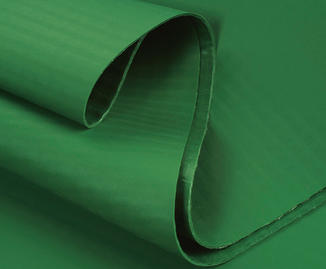
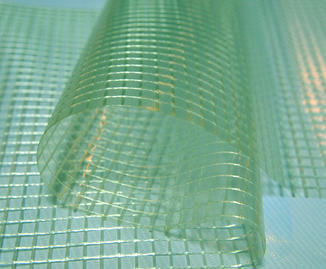
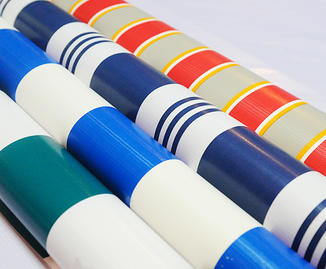
- PVC Tarpaulin: Made from high-quality PVC-coated polyester fabric, it offers exceptional strength, water resistance, and weatherproofing. Widely used in industries requiring robust, long-lasting protection.
- Polyethylene (PE) Tarpaulin: Lightweight and cost-effective, PE tarpaulins are often used for short-term applications, offering reasonable weather resistance and UV protection.
- Canvas Tarpaulin: Made from cotton or polyester, canvas tarps are durable but heavier and less weather-resistant than PVC tarpaulins.
Comparison of Tarpaulin Materials
| Feature | PVC Tarpaulin | PE Tarpaulin | Canvas Tarpaulin |
|---|---|---|---|
| Durability | High | Moderate | High |
| Water Resistance | Excellent | Good | Moderate |
| UV Protection | Excellent | Good | Moderate |
| Weight | Heavy | Light | Heavy |
| Cost | High | Low | Moderate |
Advantages of PVC Tarpaulin
PVC tarpaulins are often considered the choice for industries that require heavy-duty, long-lasting protective covers. Here are some key benefits:
- Superior Durability: PVC tarpaulin can withstand harsh weather conditions, including heat, cold, and rain. This makes it ideal for outdoor uses like truck covers, tents, and industrial applications.
- Waterproof: PVC tarpaulins are completely waterproof, ensuring protection for goods, equipment, or materials stored outdoors.
- UV Resistance: The material’s resistance to UV rays extends its lifespan and ensures that it won’t degrade or weaken under prolonged exposure to sunlight.
- Chemical Resistance: PVC tarpaulins are resistant to various chemicals, making them suitable for use in industries like agriculture, construction, and mining.
- Ease of Cleaning: The smooth, non-porous surface of PVC makes it easy to clean and maintain.
How PVC Tarpaulin Compares to PE Tarpaulin
While both materials are used for protective covers, there are notable differences:
- Durability: PVC tarpaulin is far more durable and resistant to wear and tear compared to PE tarpaulin, making it the better choice for long-term use.
- Weight: PE tarpaulins are lighter, making them easier to transport and handle for short-term applications.
- Cost: PE tarpaulins are more affordable but offer lower performance in terms of durability, water resistance, and UV protection.
- Application: PVC tarpaulin is often preferred for high-stakes environments like construction sites and marine applications, while PE is used for temporary covers such as camping tents or garden sheds.
PVC Tarpaulin vs Canvas Tarpaulin
Canvas tarpaulins are often used for their aesthetic appeal and breathability, but they fall short in certain areas when compared to PVC tarpaulin:
- Water Resistance: While canvas is naturally water-resistant to some extent, it doesn’t offer the same level of protection as PVC, which is fully waterproof.
- Durability: PVC is more resistant to wear and tear than canvas, especially when exposed to weather conditions.
- Breathability: Canvas tarpaulins are breathable, which makes them ideal for uses where air circulation is important (e.g., for covering haystacks). However, PVC tarpaulins are not breathable, making them unsuitable for such uses but more effective in providing a sealed, protective barrier.
Applications of PVC Tarpaulin
PVC tarpaulin is used across various industries, including:
- Agriculture: Protecting crops, hay, and other agricultural products from rain and sun.
- Construction: Used for site covers, scaffolding, and protective sheeting.
- Transport: Covers for trucks, boats, and other vehicles.
- Outdoor Events: Tent covers, festival booths, and other event structures.
- Warehousing: Storage covers for goods and machinery.
FAQ
Q1: What makes PVC tarpaulin better than other types of tarpaulins?
PVC tarpaulin stands out due to its durability, waterproofing, UV resistance, and resistance to chemicals, making it the ideal choice for high-performance applications.
Q2: How long does PVC tarpaulin last?
With proper care and maintenance, PVC tarpaulin can last for many years, even in harsh environmental conditions. Its UV resistance and waterproof properties ensure it remains effective over time.
Q3: Is PVC tarpaulin environmentally friendly?
PVC tarpaulins are not biodegradable, but they can be recycled. Some manufacturers are also working to reduce the environmental impact by using eco-friendly production methods.
Q4: Can PVC tarpaulin be used in weather conditions?
Yes, PVC tarpaulins are highly resistant to temperatures, including both freezing cold and high heat, making them suitable for use in harsh climates.
Conclusion
While PE and canvas tarpaulins serve their own niche purposes, PVC tarpaulin is the choice for those seeking long-lasting, highly durable, and waterproof protection. Whether in agriculture, construction, or transportation, PVC tarpaulin offers unmatched performance, making it the go-to solution for demanding environments.