 English
 CN
CN ES
ES 86-573-88890126
Introduction
PVC tarpaulin, known for its durability and weather resistance, is widely used in various industries, including construction, transportation, and agriculture. Due to its versatility, it can withstand harsh environments, but without proper care and maintenance, its lifespan can be significantly reduced.
Understanding PVC Tarpaulin
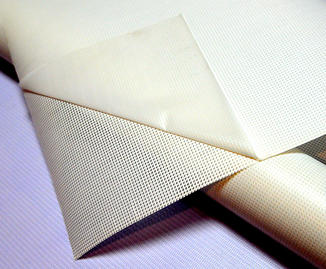
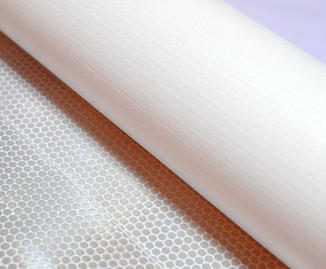
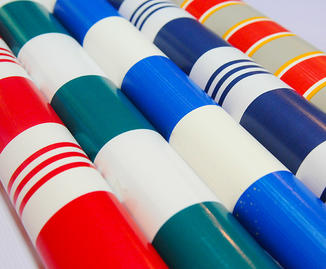
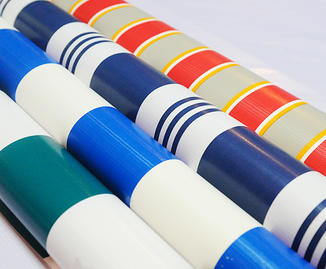
PVC tarpaulin is a synthetic material made from polyester fabric coated with polyvinyl chloride (PVC). This combination offers resistance to water, UV rays, and temperatures, making it an ideal choice for outdoor use. Its ability to be customized in various thicknesses and colors further enhances its utility across different sectors.
Properties of PVC Tarpaulin
- Material Composition: Polyester fabric + PVC coating
- Key Features: Waterproof, UV-resistant, durable, flexible
- Applications: Coverings, tents, truck covers, industrial use, agriculture, etc.
Regular Cleaning and Maintenance
One of the critical steps in maintaining PVC tarpaulin is keeping it clean. Dirt, dust, and debris can degrade the material over time, affecting its appearance and functionality.
Steps for Cleaning PVC Tarpaulin:
- Use a Soft Brush: Gently remove loose dirt and dust with a soft-bristled brush.
- Wash with Mild Soap: Use a mild soap solution to wash the tarpaulin. Avoid harsh chemicals that can damage the PVC coating.
- Rinse Thoroughly: After cleaning, rinse the tarpaulin with clean water to remove any soap residue.
- Dry Properly: Allow the tarpaulin to dry naturally in a well-ventilated area. Avoid direct sunlight, which can cause premature aging.
Preventing UV Damage
PVC tarpaulins are generally UV-resistant, but prolonged exposure to the sun can still fading, cracking, and reduced strength. To extend the life of your tarpaulin, it’s essential to protect it from UV damage.
Steps for UV Protection:
- Store When Not in Use: When the tarpaulin is not needed, store it in a shaded or covered area to reduce sun exposure.
- Use UV-Protective Coatings: Some PVC tarpaulins come with built-in UV protection, but you can apply additional UV-protective coatings to enhance their resistance.
Avoiding Chemical Exposure
PVC tarpaulins can be sensitive to certain chemicals, which can cause discoloration, degradation, or even structural damage. It’s essential to avoid storing or using the tarpaulin near corrosive chemicals, oils, or solvents.
Preventing Mold and Mildew Growth
If the tarpaulin is exposed to moisture for extended periods, it can develop mold and mildew. This not only affects its appearance but also weakens the material.
Steps to Prevent Mold and Mildew:
- Ensure Proper Ventilation: Store the tarpaulin in a dry place with good airflow.
- Clean and Dry Quickly: After exposure to rain or humidity, clean and dry the tarpaulin as soon as possible.
- Use Mold-Resistant Treatment: Some PVC tarpaulins can benefit from mold-resistant treatments that can be applied to reduce growth.
Proper Storage Techniques
When storing PVC tarpaulin, it’s essential to ensure that it remains free from moisture, dirt, and temperatures. Improper storage can the development of creases or cracks, which can compromise its strength and performance.
Steps for Proper Storage:
- Roll Instead of Folding: Always roll your PVC tarpaulin for storage to prevent creases and folds.
- Store in a Dry Place: Choose a cool, dry area to store the tarpaulin. Avoid areas with high humidity or exposure to temperatures.
- Avoid Sharp Objects: Ensure the storage space is free from sharp objects that could puncture or tear the tarpaulin.
Repairing Minor Damage
PVC tarpaulins are durable, but they can sustain minor tears or punctures over time. It’s essential to address these issues promptly to prevent further damage.
Repair Steps for PVC Tarpaulin:
- Clean the Area: Before applying any repair materials, ensure the damaged area is clean and dry.
- Use PVC Repair Patches: Apply a PVC repair patch or tape to the affected area. Make sure the patch is larger than the damage to ensure a strong bond.
- Seal the Edges: Use PVC adhesive to seal the edges of the patch for added durability.
Regular Inspection and Monitoring
Regular inspections help identify any signs of wear and tear early, allowing you to address issues before they worsen. By monitoring your PVC tarpaulin regularly, you can ensure its longevity.
Inspection Checklist:
- Check for Holes or Tears: Examine the tarpaulin for any punctures or rips.
- Inspect the Coating: Ensure that the PVC coating is intact and there is no peeling or cracking.
- Look for Discoloration: Inspect for any fading or discoloration caused by UV exposure.
Benefits of Proper Care for PVC Tarpaulin
By following the tips outlined above, you can extend the lifespan of your PVC tarpaulin, ensuring it remains functional and visually appealing. Proper care can prevent costly repairs or replacements, the return on your investment.
PVC Tarpaulin Maintenance Summary
| Maintenance Step | Recommended Action | Frequency |
|---|---|---|
| Cleaning | Wash with mild soap and soft brush | As needed |
| UV Protection | Store in shade, apply UV coating | Periodically |
| Chemical Exposure | Avoid exposure to harsh chemicals | Ongoing |
| Mold Prevention | Keep dry, apply mold-resistant treatment | After exposure to moisture |
| Storage | Roll, store in dry, cool area | As needed |
| Repairing Damage | Apply repair patches and adhesive | When damage occurs |
FAQ
Q1: How often should I clean my PVC tarpaulin?
A: Clean your PVC tarpaulin as needed, typically after exposure to dirt, dust, or rain. Regular cleaning helps maintain its appearance and functionality.
Q2: Can I store PVC tarpaulin outside?
A: It’s to store PVC tarpaulin in a shaded or covered area to prevent damage from UV rays and weather conditions.
Q3: How can I prevent PVC tarpaulin from getting moldy?
A: Ensure the tarpaulin is dry before storing it and keep it in a well-ventilated, dry place.
Q4: How do I repair minor tears or holes in my PVC tarpaulin?
A: Use a PVC repair patch or adhesive tape to seal the damaged area, ensuring the patch is larger than the tear.
Q5: Does PVC tarpaulin need special treatment for UV protection?
A: While PVC tarpaulins are UV-resistant, applying additional UV protection coatings can help prolong their lifespan when exposed to intense sunlight.