 English

Why PVC Flex Banner Choice Matters: How to Pick the Right Roll for Outdoor and Backlit Printing
Content
- 1 What Is a PVC Flex Banner?
- 2 Main Types of PVC Flex Banner Rolls
- 3 Printing Compatibility Across Technologies
- 4 Specifications to Check Before You Order
- 5 Common Applications
- 6 How to Select the Right Roll for Your Project
- 7 Frequently Asked Questions
- 7.0.1 Q1: What factors influence the price of a PVC flex banner roll?
- 7.0.2 Q2: Which printing method works best for flex banner rolls?
- 7.0.3 Q3: What is the minimum order quantity for flex banner rolls?
- 7.0.4 Q4: Is PVC flex banner suitable for long-term outdoor use?
- 7.0.5 Q5: How do blockout and backlit rolls differ?
- 8 Request Your Quotation
Choosing the right PVC flex banner can decide whether an outdoor sign still looks sharp after one rainy season or starts to crack, fade, and sag within months. Buyers searching for printing materials often face a wall of unfamiliar terms such as frontlit, backlit, blockout, gsm, and laminated. This guide walks through each of them in plain language, so you can match the material to your application, understand which specifications affect cost, and prepare a clear request for a quotation.
The article is written for procurement staff, print shop owners, and sign makers who need practical answers rather than marketing claims. Each section focuses on a decision you will actually face, from picking a weight and width to choosing a printing technology that suits your equipment.
What Is a PVC Flex Banner?
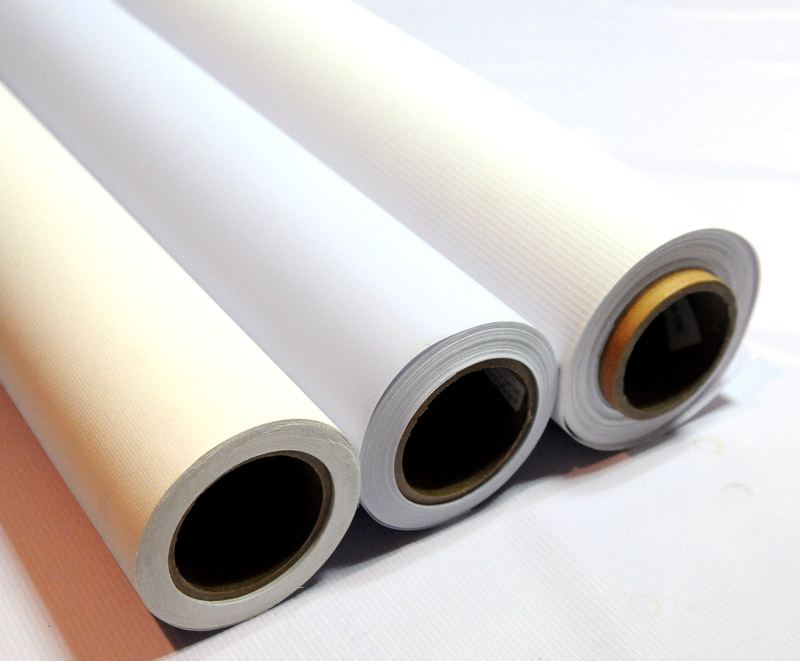
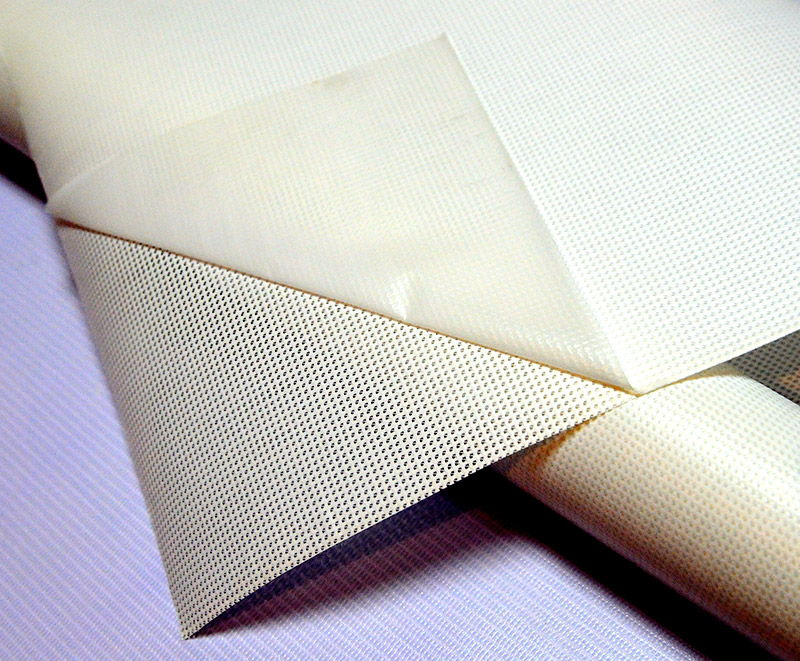
A PVC flex banner is a large-format printing substrate made from polyvinyl chloride coated onto a woven polyester base. The result is a flexible sheet that accepts ink well, resists tearing, and holds its dimensions under tension. It is supplied in rolls and is the workhorse material for outdoor billboards, fence wraps, event backdrops, and light box graphics.
How Laminated Flex Banner Is Made
Production usually starts with calendering, where molten PVC compound is pressed into thin films of controlled thickness. These films are then bonded to a woven base fabric through lamination. Hot lamination uses heat and pressure to fuse layers, while cold lamination relies on adhesive and lower temperatures. Each route produces a different surface feel, bond strength, and cost profile.
Core Advantages of the Material
- Strong tensile resistance that keeps large panels from stretching or wrinkling in wind.
- Stable ink absorption, which supports sharp color on solvent, eco-solvent, and UV printers.
- Water and weather tolerance that suits continuous outdoor exposure.
- Good dimensional stability across the roll length, which helps large jobs align cleanly.
Main Types of PVC Flex Banner Rolls
Most rolls fall into three families. The right choice depends on whether light passes through the sign, whether the print is viewed from one or two sides, and how the sign is mounted.
Frontlit PVC Flex Banner
Frontlit material is designed to be lit from the front, typically by sunlight or external spotlights. It has a bright white surface that reflects light and delivers vivid color. This is the most common choice for street banners, construction hoardings, and shop fascias where the viewer stands in front of the graphic.
Backlit PVC Flex Banner
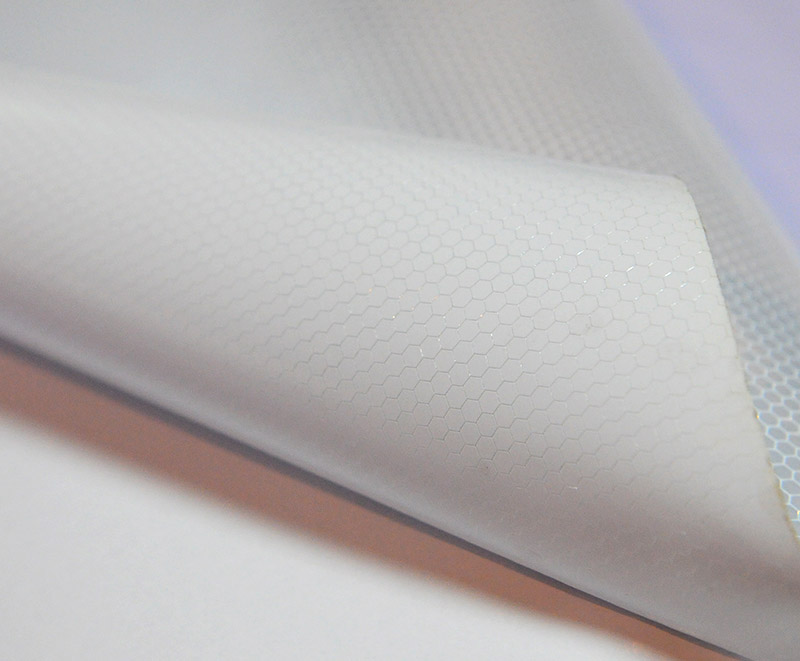
Backlit material is engineered to transmit light from behind. It is used inside illuminated light boxes and backlit signage, where a lamp or LED array shines through the surface. Translucency must be balanced carefully, because too much light flattens color and too little leaves the graphic looking dim.
Blockout PVC Flex Banner
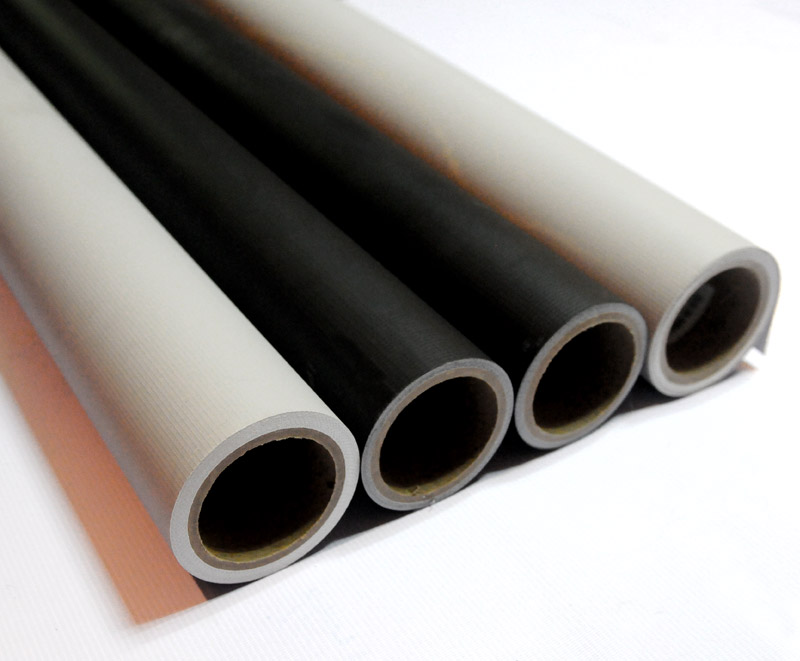
Blockout material is opaque and prevents light from passing through. It is typically printed on both sides, which makes it suitable for double-sided hanging signs, window graphics, and situations where a dark background behind the sign would be visible.
| Roll Type | Typical Use | Light Behavior | Print Side |
|---|---|---|---|
| Frontlit | Outdoor signs and hoardings | Reflects light | Single side |
| Backlit | Light boxes and illuminated panels | Transmits light | Single side |
| Blockout | Double-sided and window displays | Blocks light | Both sides |
Printing Compatibility Across Technologies
The printing method has a direct effect on ink adhesion, drying time, and the final color range. Operators should confirm compatibility with their own machine and ink system before placing a large order.
Matching Printing Technology to Roll Type
- UV printing offers fast curing and works well with frontlit and blockout rolls.
- Solvent and eco-solvent printing produce durable outdoor images and suit most standard frontlit grades.
- Screen printing is useful for short runs and spot colors, especially on heavier backlit materials.
Surface treatment and ink formulation matter as much as the printer itself. A roll that absorbs ink evenly will produce smoother gradients and fewer banding lines than one with uneven coating.
Specifications to Check Before You Order
Specifications determine performance and price. Reviewing them before requesting a quotation helps avoid costly re-orders and mismatched samples.
Weight (GSM)
Higher grams per square meter means a thicker, more rigid sheet with better durability for large outdoor panels.
Roll Width
Standard widths reduce seams and waste. Confirm the printer bed size before choosing a width.
Tensile Strength
Measures resistance to stretching under wind load. Important for banners that hang across open spaces.
Weather Resistance
Covers UV stability, water tolerance, and color retention over the expected service life.
Hot Lamination Versus Cold Lamination
Hot-laminated rolls generally deliver stronger bonding and a smoother finish, which suits long outdoor exposure. Cold-laminated rolls are often chosen for flexibility and lower processing temperature, making them a good fit for certain indoor and short-term applications.
Common Applications
Understanding where a material will be used helps narrow the choice quickly. The following examples cover the most frequent project types.
- Large outdoor billboards and construction hoardings that need high wind resistance.
- Illuminated light boxes and backlit display panels for retail environments.
- Event banners, exhibition backdrops, and temporary stage graphics.
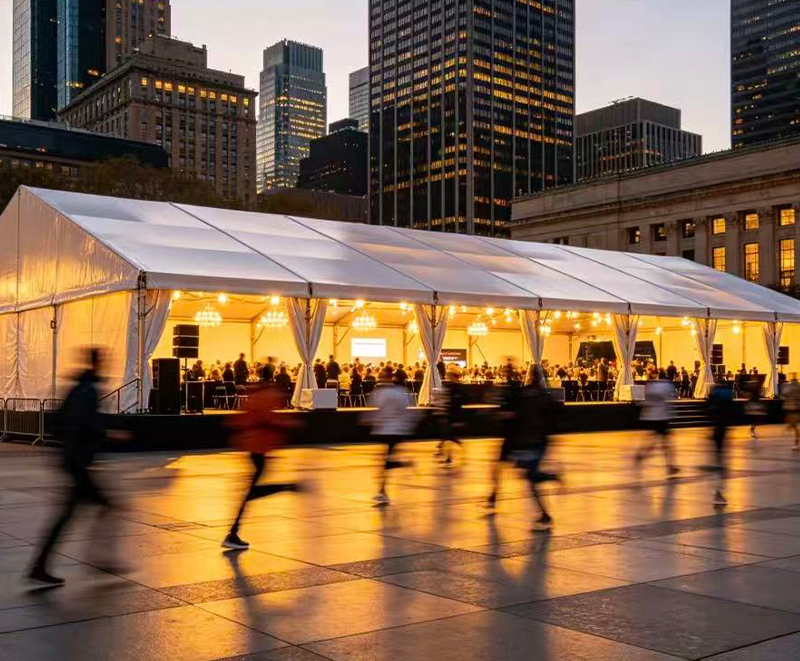
- Tent walls, canopy coverings, and shade structures exposed to sun and rain.
How to Select the Right Roll for Your Project
A simple four-step process reduces guesswork and helps you prepare an accurate request.
Decide whether the sign will be lit from the front, lit from behind, or viewed from both sides.
Confirm the printer type and check its ink compatibility with the candidate roll.
Select the weight, width, and lamination method that match the expected service life.
Estimate the order quantity and confirm the minimum order requirement with the supplier.
Frequently Asked Questions
Price is driven mainly by roll type, weight in grams per square meter, width, lamination method, order quantity, and shipping terms. Sending these details together gives suppliers enough information to prepare an accurate quotation.
Solvent, eco-solvent, and UV printing are the most common choices. The best option depends on the ink system, the required durability, and whether the sign will be exposed to outdoor weather.
Minimum order quantities vary by supplier and by product grade. Asking for the MOQ early in the sourcing process avoids delays when planning a production schedule.
Yes, when the correct grade is chosen. Weather-resistant laminated materials are designed to handle sun, moisture, and wind, though exact service life depends on climate and maintenance.
Q5: How do blockout and backlit rolls differ?
Backlit rolls are designed to transmit light for illuminated displays, while blockout rolls are opaque and block light completely. Blockout is the better choice for double-sided prints and dark backgrounds.
Request Your Quotation
To receive an accurate price for your project, prepare the following details: roll type, gsm, width, quantity, printing method, and destination market. With these in hand, you can compare options on the PVC flex banner product page or contact the sales team directly for a tailored quotation.
 +86-573-88890126
 adam@ml-holding.cn
 No. 28, Shuguang Road, Tudian Town, Tongxiang City, Zhejiang Province, 314503, China
Copyright © Zhejiang Minglong New Material Technology Co., Ltd. All rights reserved.
Custom Digital Printing Banner Material Manufacturers
